Your Cart is Empty
Start shopping

Dermal fillers have become a popular choice for non-surgical aesthetic enhancements. Studies and experts have found that patients who received dermal filler enhancements experienced significant improvements in their appearance with minimal side effects, highlighting the safety and efficacy of these treatments.
Radiesse, a leading dermal filler, is known for its unique formulation using calcium hydroxylapatite microspheres. It provides immediate volume and stimulates collagen production for long-lasting results. But despite its benefits, it’s important to be aware of the potential side effects associated with its use.
In this article, we will explore the various Radiesse side effects, providing comprehensive information to help patients make informed decisions that align with their aesthetic goals.
Key Takeaways
- Radiesse is a popular dermal filler for facial augmentation, hand rejuvenation, and other cosmetic procedures.
- Common side effects of Radiesse include swelling, bruising, and redness, which are typically mild and resolve within a few days.
- Rare but serious side effects may include nodule formation, infections, and allergic reactions.
- Short-term side effects of Radiesse usually occur immediately after treatment, within the first week, or within the first month.
- Long-term side effects may include complications after several months that require proper management and follow-up care.
- Guidelines for minimizing risks and ensuring patient safety include thorough pretreatment evaluation, proper injection techniques, and comprehensive post-treatment care.
About: Doctor Medica is your trusted supplier of top-quality dermal fillers, viscosupplements, and a range of medical and aesthetic products for your practice. We offer authentic products from leading brands at the lowest prices. Contact Doctor Medica today!
Common Side Effects of Radiesse
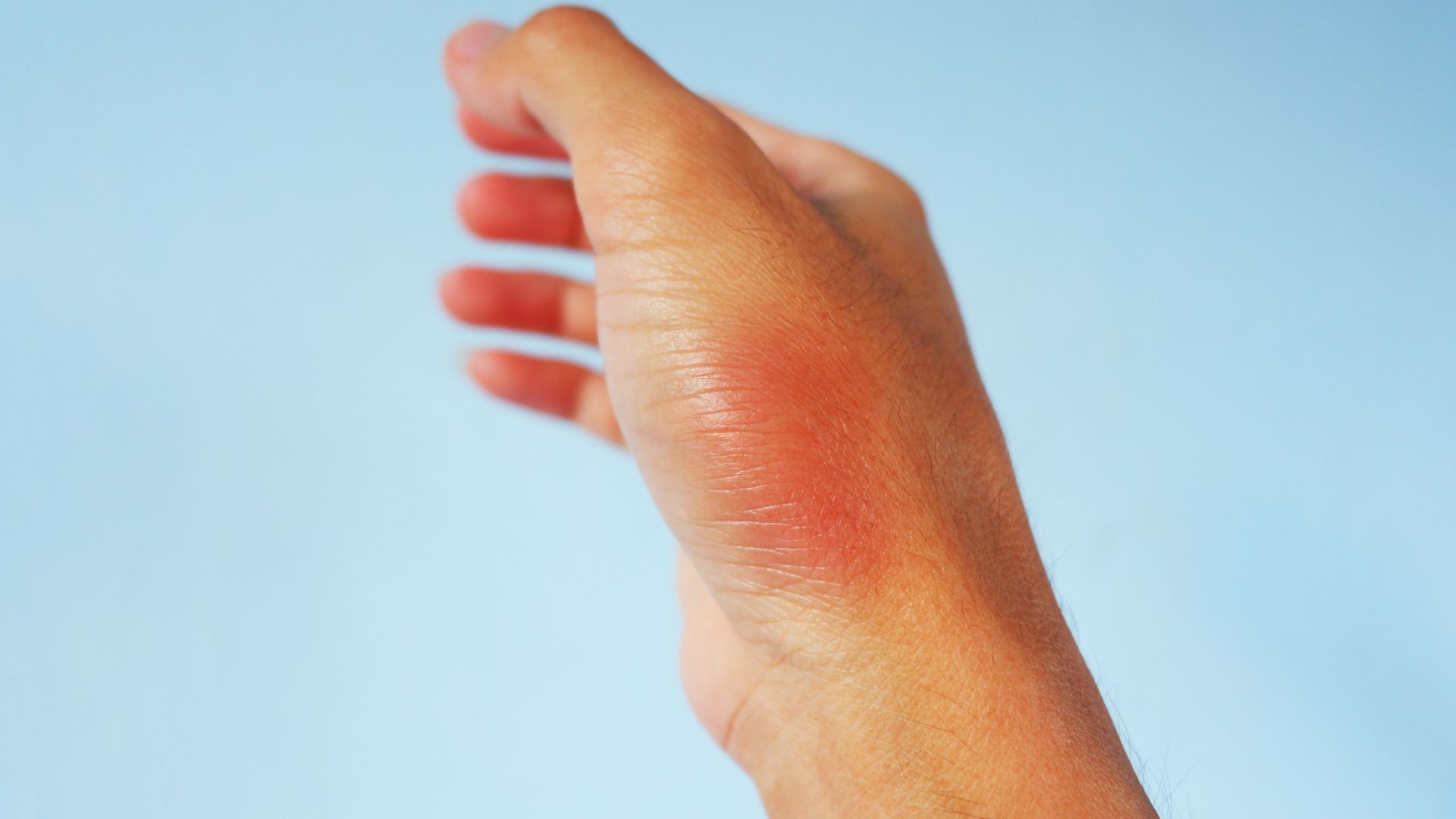
- Swelling: Many people get swelling, bruising, and redness after using Radiesse. Swelling is a common side effect after Radiesse injections. This puffiness happens because the body is reacting to the new substance. Usually, this swelling goes down as the body gets used to the injection. This side effect is also seen with other treatments, such as Radiesse for hands.
- Bruising: Another common side effect with Radiesse is bruising. This condition often occurs alongside redness and swelling at the treatment site. Ice packs are a go-to for easing these symptoms post-treatment.
- Redness: Redness after Radiesse injections is a common side effect. This skin irritation appears at the site where the needle was inserted. Most people see their redness fade within a few days to two weeks.
Rare but Serious Side Effects of Radiesse
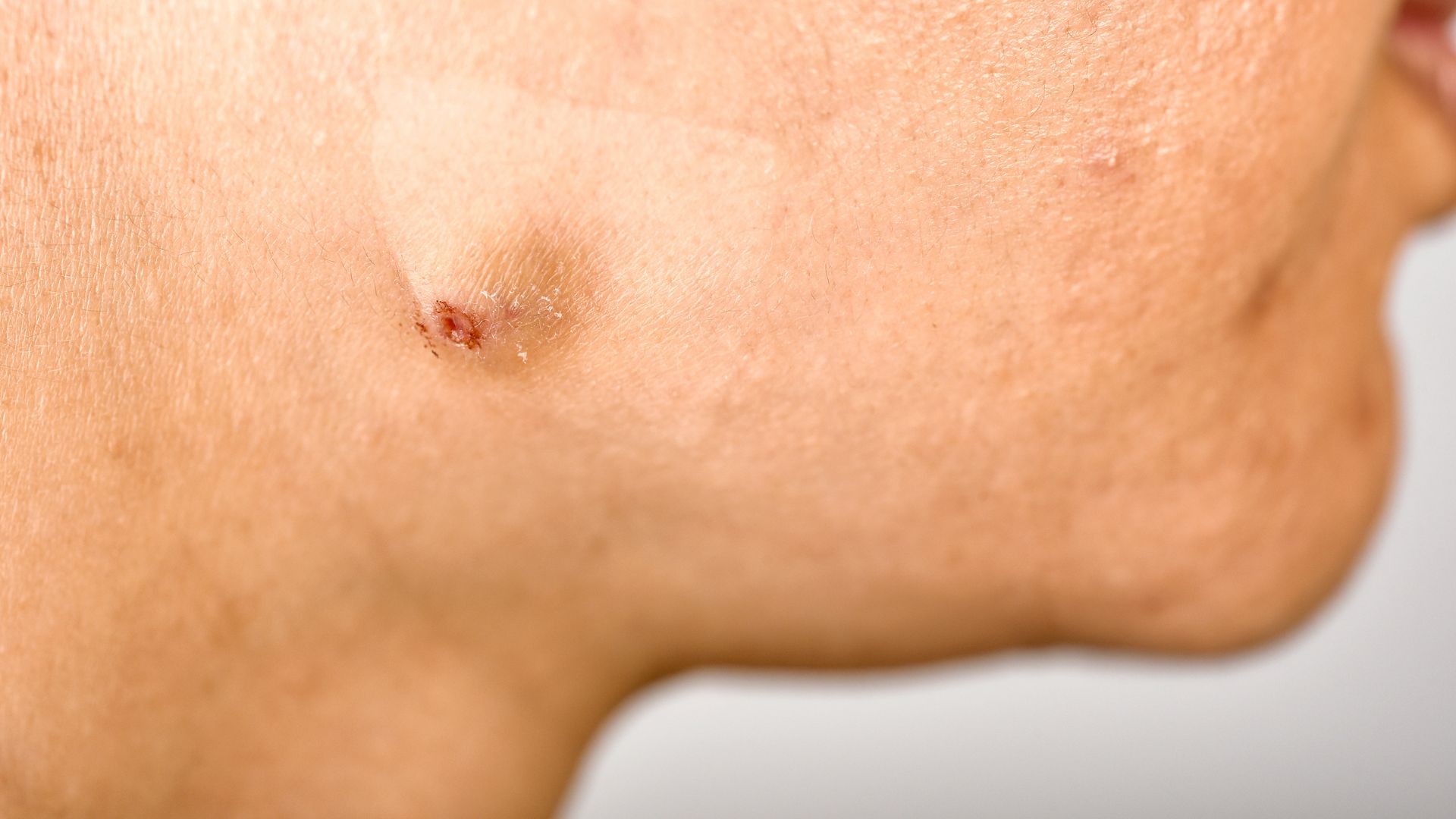
- Nodules: Nodules are a rare but serious side effect of Radiesse injections. They are small, hard lumps that can appear under the skin where the injection was given. Nodules might indicate granulomatous reactions, also noted after hyaluronic acid injections.
- Infections: Infections are a rare but severe side effect of Radiesse. They can happen when bacteria get into the injection site. If not treated quickly, this might lead to more problems. Doctors need to watch for signs of infection after using Radiesse.
- Allergic Reactions: Allergic reactions to Radiesse are not expected. They can show up as redness, itching, or swelling where the injection was given. Although these side effects are rare, they’re important to watch for.
Short-Term Radiesse Side Effects
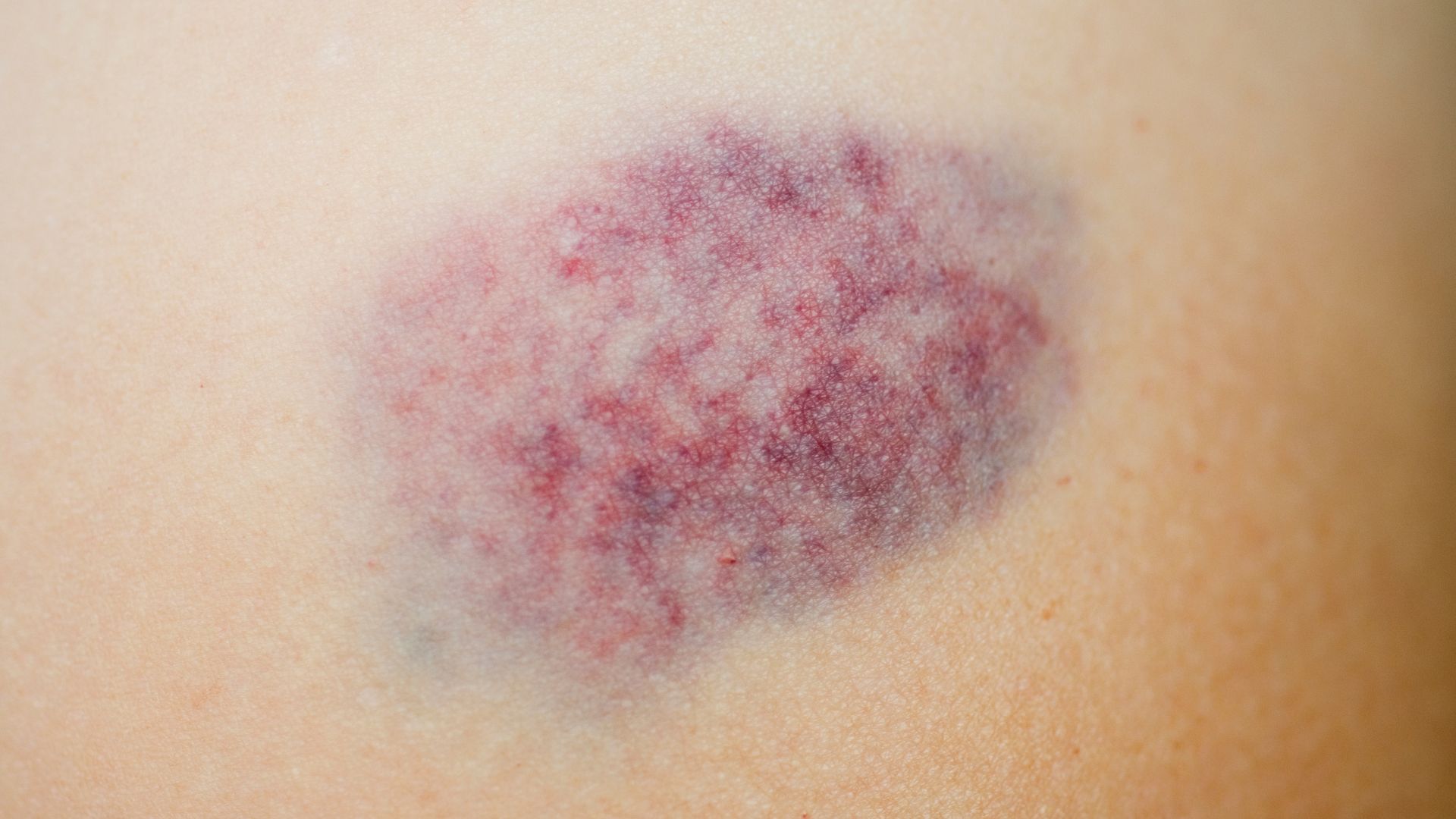
Immediate effects after Radiesse injections may include mild swelling, redness, tenderness, or bruising at the injection sites. These reactions are generally temporary and often improve within a few hours to several days. Applying a cold compress and following the injector’s aftercare instructions may help manage discomfort.
During the first week, some patients may notice minor lumps, bumps, or firmness beneath the skin as the filler settles into the treated area. These effects typically soften gradually. Temporary itching or sensitivity may also occur during the first month.
As Radiesse stimulates collagen production, improvements in skin texture and volume may continue to develop over time. Patients considering where to buy Radiesse online should choose a reputable supplier and ensure a qualified medical professional performs the treatment.
Long-Term Side Effects of Radiesse
Potential complications after several months of Radiesse treatment are rare but can include granuloma or nodule formation under the skin. These small lumps result from the body reacting to the filler material. Sometimes, these nodules may become visible or palpable, causing aesthetic or physical discomfort. Additionally, although uncommon, swelling or redness at the injection site may develop with a delayed onset.
Management of long-term Radiesse side effects involves several approaches. For mild cases, observation and reassurance may be sufficient, as some side effects resolve on their own. For persistent or bothersome nodules, treatment options include massage, corticosteroid injections, or, in rare cases, surgical removal.
If an inflammatory response occurs, it can often be managed with oral medications or anti-inflammatory treatments. Regular follow-up appointments with the healthcare provider are crucial to monitor the treatment area and address any concerns promptly.
Patient case studies and clinical data support Radiesse’s overall safety and efficacy for long-term use. Studies published in dermatological journals highlight that most patients experience satisfactory results with minimal complications.
Guidelines for Minimizing Risks and Ensuring Patient Safety
- Pretreatment Evaluation: Conduct a thorough medical history review, assess the treatment area, and discuss realistic expectations. For Radiesse for the hands, evaluate skin thickness, volume loss, and overall suitability before treatment.
- Proper Injection Techniques: Use trained practitioners skilled in techniques like retrograde linear threading for even filler distribution. Employ fine needles or cannulas to minimize tissue trauma and inject at the correct depth and volume for natural-looking results.
- Post-treatment Care and Follow-Up: Advise patients to avoid strenuous activities and sun exposure for 24-48 hours post-treatment. Apply cold compresses to manage immediate discomfort. Schedule follow-up appointments to monitor healing and provide clear aftercare instructions.
Conclusion
Radiesse has its own side effects—some common, others rare, ranging from short-term to long-term. Most people will only see swelling, bruising, or redness that fades within days.
Yet, a few may face serious issues like infections or allergic reactions. Knowing how to lessen risks is key for safety. With care and the right steps before and after treatment, many can enjoy Radiesse’s benefits with fewer worries.
FAQs
1. What are the common side effects of Radiesse?
Common side effects of Radiesse include swelling, redness, or pain at the injection site. These symptoms usually go away on their own after a few days.
2. Are there any rare side effects associated with Radiesse?
While rare, some people may experience lumps or bumps under the skin in areas treated with Radiesse. If these persist, it’s crucial to contact your healthcare provider immediately.
3. How long do short-term side effects last after using Radiesse?
Short-term side effects like minor swelling or bruising typically resolve within a week following treatment.
4. Can I expect any long-term side effects from using Radiesse?
Long-term impacts from using this product are less common but can occur. Discuss potential risks and benefits thoroughly with your healthcare provider before deciding on any treatment plan.
Citations
Luebberding, S., and M. Alexiades-Armenakas. “Safety of Dermal Fillers.” Journal of Drugs in Dermatology, vol. 11, no. 9, 2012, pp. 1053–1058.
Radiesse. Drugs.com, n.d. Accessed 30 July 2024. https://www.drugs.com/radiesse.html.
Rayess, H. M., P. F. Svider, C. Hanba, V. S. Patel, L. M. DeJoseph, M. Carron, and G. F. Zuliani. “A Cross-Sectional Analysis of Adverse Events and Litigation for Injectable Fillers.” JAMA Facial Plastic Surgery, vol. 20, no. 3, 2018, pp. 207–214. https://doi.org/10.1001/jamafacial.2017.1888
The content on this page has been written and fact-checked in accordance with our Editorial Policy. Clinical claims are sourced from peer-reviewed literature, regulatory documentation, and manufacturer specifications. Where citations are provided, it is always in accordance to our editorial standards.