Your Cart is Empty
Start shopping

Cannulas and Needles
(14 products)
Dermal fillers have become the most popular way for non-surgical aesthetic improvement. It is possible to achieve a youthful appearance with minimal downtime and instant results, thanks to fillers. That is just perfect, but it would be impossible without cannulas and needles, which are crucial tools for successfully implementing non-invasive methods.
These instruments, designed for precision, play a pivotal role in achieving optimal results. In this category, we delve into the specifics of different types of cannulas and needles, catering to licensed medical professionals and clinics seeking in-depth knowledge. Below, you will find everything you need to know about tools required for the everyday functioning of clinics and medspas, as well as more on where to buy dermal filler cannula online.
Filters
Category
Brand
Price Range
$
$
OUTLET


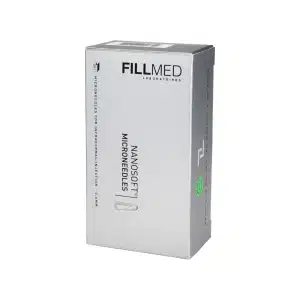


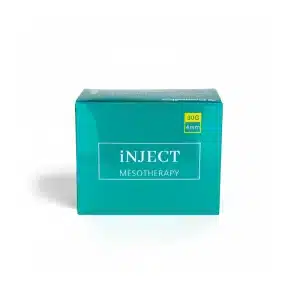
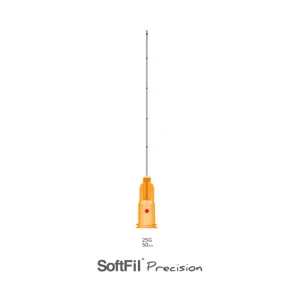
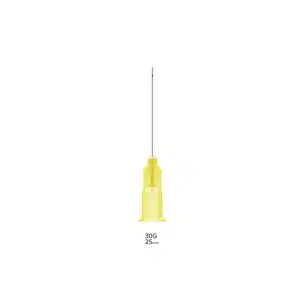
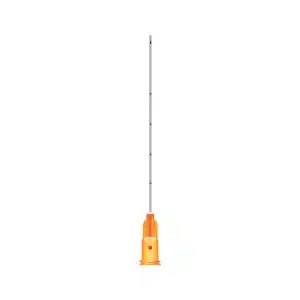
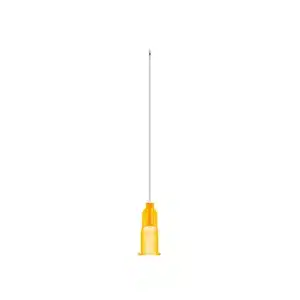
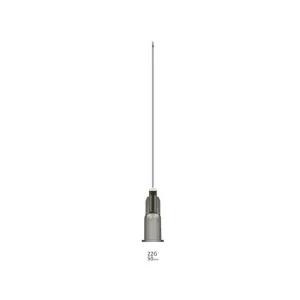
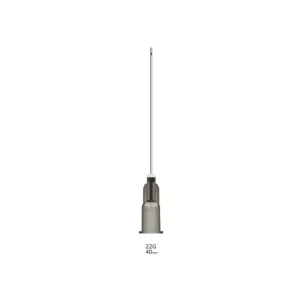
Let’s explore these safe instruments. They can be a real game-changer for your business.
What Are Blunt Tipped Cannulas Used For?
Blunt-tipped cannula needle has revolutionized the administration of dermal fillers. Unlike traditional needles, these flexible, rounded-tipped instruments minimize tissue trauma, reducing the risk of bruising and swelling. They excel in precision, making them ideal for contouring and shaping delicate facial areas. The controlled, smooth movement of blunt-tipped cannulas ensures a more comfortable patient experience, enhancing overall satisfaction.
Needle vs. Cannula for Dermal Fillers
One of the most common questions we get at Doctor Medica is what exactly is the difference between cannulas and regular needles that have been used for centuries.
That is an excellent question since understanding the differences between cannulas and needles is of utmost importance for medical professionals. There is no doubt that needles offer pinpoint accuracy, but as we already mentioned, they may cause more discomfort and carry a higher risk of bruising. Those are not some terrible, long-lasting side effects, but why not offer even better service to clients when possible?
Conversely, cannulas provide a gentler approach, suitable for larger surface areas and sensitive regions. However, the choice between the two ultimately depends on the procedure’s nature, patient comfort, and the professional’s expertise.
How Safe Cannulas for Dermal Fillers?
Safety is a top priority in aesthetic procedures, both for you as a medical professional and for us.
Blunt-tipped cannula injections are known for their features that contribute to patient well-being. In general, we didn’t notice any safety concerns nor get any reclamation. With reduced trauma to blood vessels and minimized risk of intravascular injection, cannulas enhance the safety profile of dermal filler treatments.
What to Expect with the Cannula Method?
Potential patients and medical professionals alike want to understand what to expect from the cannula method. We always encourage the evolution of knowledge, so we have prepared an answer to this question.
Beginning with the preparatory stages, patients can expect a thorough consultation where medical professionals assess facial anatomy and tailor the approach to individual needs. The cannula method is very accurate. This technique is adept at contouring delicate facial areas with enhanced precision, ensuring a natural outcome.
Recovery from dermal fillers is generally short, but downtime is further reduced with the cannula method. Patients can anticipate an even quicker return to daily activities than traditional needle-based procedures.
Also, a more gradual and natural-looking progression over time is expected.
Choosing the Right Cannula Size
Larger sizes are usually an option for volumizing broader areas, while smaller, more flexible options, such as microcannula, contour delicate facial features.
Again, there are exceptions, so you will decide according to the individual needs of the patient.
Post-Procedure Care and Monitoring
In the aftermath of a cannula-based dermal filler procedure, there are a few things your patients can do. To ensure a seamless recovery for patients, give them the following tips:
- Advise patients to apply a cold compress.
- Tell patients to keep their heads elevated, especially during sleep.
- Patients must refrain from strenuous activities and exercise for the initial days post-procedure.
- Advise them to stay well-hydrated.
- Recommend over-the-counter pain relievers.
On top of that, tell them to carefully monitor every strange change and call you right away if notice something suspicious.
Understanding Materials Used for Cannula for Fillers
The material composition of cannulas is a critical factor influencing their efficacy, safety, and overall performance. Stainless steel stands out for its durability and rigidity. While offering excellent control, it may be less flexible than alternatives. On the other hand, flexible polymers, such as those made from medical-grade plastics, provide enhanced maneuverability. Their flexibility reduces the risk of tissue trauma, so they are a better choice for around the eyes and similar sensitive areas.
Mastering Cannula Techniques
Elevating precision in dermal filler applications goes beyond selecting the right cannula size and material; it involves mastering advanced techniques.
Engage in continuous education courses and workshops specifically focused on advanced cannula techniques. You can also seek mentorship from experienced practitioners. In the end, you must dedicate time for hands-on practice with cannulas on simulation models or during supervised training sessions. There is no other way to become familiar with it.
Frequently Asked Questions
What type of cannula is used for fillers?
Blunt-tipped cannulas are most commonly used for dermal filler procedures. Their design minimizes tissue trauma, reducing the risk of bruising and swelling. This cannula allows for precise and controlled filler placement, enhancing the overall safety and comfort of the procedure.
What cannula is best for cheek fillers?
When considering cheek fillers, a longer blunt-tipped cannula is often preferred. The extended length enables practitioners to navigate through tissue layers easily, ensuring a smoother application process. This cannula enhances precision in contouring and volumizing the cheeks, providing optimal results and reducing patient discomfort.
Is cannula safer than needle for filler?
Yes, blunt-tipped cannulas are generally considered safer than needles for filler applications. Their rounded tips reduce the risk of vessel perforation and minimize trauma to surrounding tissues. This safety profile enhances patient comfort and contributes to a lower likelihood of complications.
What is the riskiest area for filler?
The under-eye area is often considered one of the riskiest for filler applications. The proximity to delicate blood vessels and thinner skin increases the potential for complications, including bruising and vascular issues. Practitioners must be cautious when buying dermal filler cannula for this purpose and administering fillers in the sensitive region.
Written by Doctor Medica’s Editorial team
The content on this page has been written and fact-checked in accordance with our Editorial Policy. Clinical claims are sourced from peer-reviewed literature, regulatory documentation, and manufacturer specifications. Where citations are provided, it is always in accordance to our editorial standards.
Doctor Medica sources products exclusively through authorized distributors and established procurement channels. Products are verified as genuine, and supplied in the original packaging with their seal intact. Learn more about how we guarantee product authenticity, sourcing compliance, and traceable delivery to our clients.