Your Cart is Empty
Start shopping
SCULPTRA®
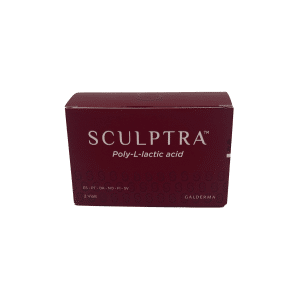
(1 products)Sculptra® is a Galderma injectable poly-L-lactic acid, or PLLA, collagen biostimulator used for gradual facial volume restoration and correction of facial wrinkles. Unlike hyaluronic acid fillers that provide immediate filling, Sculptra® injections work by stimulating the body's natural collagen production over time. Licensed practitioners looking to buy Sculptra® can browse Doctor Medica's catalog for verified products, wholesale pricing, and professional sourcing support. Clinics may also compare Sculptra® treatment configurations, request documentation, or buy Sculptra® online through a trusted wholesale channel.
Filters
Category
Brand
Price Range
$
$


About Sculptra® — A Collagen Biostimulator, Not a Traditional Filler
Sculptra® is an FDA-approved injectable aesthetic treatment manufactured by Galderma and formulated with poly-L-lactic acid microparticles. It belongs to the collagen biostimulator category because it is designed to stimulate natural collagen production rather than simply occupy space as an immediate-correction filler. This distinction is central to understanding what Sculptra® does in aesthetic practice. [1][2]
Sculptra® has a long history of FDA approval. It was originally approved for restoration and correction of facial fat loss (lipoatrophy) in people with HIV, and later approved for immune-competent patients to correct shallow-to-deep nasolabial fold contour deficiencies and other facial wrinkles. In 2023, FDA approval expanded to include correction of fine lines and wrinkles in the cheek region for immune-competent patients. [3][4]
Because Sculptra® is a PLLA biostimulator, it should be positioned differently from immediate hyaluronic acid dermal fillers. HA fillers provide visible correction through gel volume and water-binding effects, while Sculptra® treatment builds gradually as PLLA microparticles stimulate fibroblast activity and collagen production across weeks to months. [1][2] Clinics that buy biostimulators can stock Sculptra® alongside other collagen-stimulating options to match mechanism and onset to the treatment goal.
How Sculptra® Works — PLLA and Gradual Collagen Stimulation
When patients ask what Sculptra® is, the simplest answer is that it is a PLLA collagen biostimulator used to gradually restore facial support and reduce wrinkles associated with volume loss. The product contains poly-L-lactic acid microparticles that are injected into the appropriate tissue plane, where they stimulate collagen production over time. [1]
Sculptra® results do not appear like a classic filler result immediately after treatment. Initial swelling or fluid from the injection may temporarily alter the appearance, but the intended effect develops progressively as collagen production increases. This makes Sculptra® useful for patients who want natural volume restoration and gradual skin-quality improvement rather than an instantly filled appearance. [1]
PLLA particles trigger a foreign body response involving macrophage activity and fibroblast activation, supporting collagen synthesis and the skin’s structural foundation over weeks to months. [2] Results can last up to two years in many patients, with a systematic review reporting durability extending to at least 25 months in some treated patients, although individual response varies. [1]
In practical terms, it helps improve the look of facial wrinkles, folds, and volume-related aging by encouraging the body’s collagen response. This mechanism is also why Sculptra® before-and-after results should be assessed over time, not immediately after the first injection.
Sculptra® Product Range
The Sculptra® product range centers on its PLLA vial format, though exact packaging and presentation should be confirmed against current market-specific instructions for use. Sculptra® is supplied as a sterile lyophilized powder that must be reconstituted with sterile water for injection before administration. Depending on current instructions for use, reconstitution may involve 5 mL of sterile water for injection with storage up to 72 hours, or 8 mL of sterile water for injection for immediate use, with optional lidocaine in certain protocols. [5]
The Sculptra® Injectable Poly-L-Lactic Acid Vial is the core product used for FDA-approved facial indications. It is supplied as a lyophilized powder for reconstitution and administered through a series of treatment sessions. In US labeling, Sculptra® is indicated for the correction of shallow-to-deep nasolabial fold contour deficiencies, other facial wrinkles, and fine lines and wrinkles in the cheek region for immune-competent patients, as well as restoration or correction of facial lipoatrophy in people with HIV. [3]
Clinics that order Sculptra® should verify the current IFU, reconstitution volume, needle recommendations, expiry details, storage requirements, lot number, and local regulatory status before treatment. For clinics evaluating Sculptra® cost, the vial should be considered part of a full treatment plan rather than a single-session product — a complete course may require several sessions, and total cost can vary based on the number of vials used, treatment area, professional fees, clinic location, and whether maintenance sessions are planned.
Treatment Areas and Indications
Sculptra® is FDA-approved for specific facial indications. These include correction of shallow-to-deep nasolabial fold contour deficiencies and other facial wrinkles in immune-competent patients; correction of fine lines and wrinkles in the cheek region in immune-competent patients; and restoration or correction of facial lipoatrophy in people with HIV. [3][4]
- Nasolabial Folds: Within approved labeling when used according to the current IFU. Sculptra® nasolabial folds treatment is typically planned as part of a staged course, with multiple sessions spaced weeks apart, aiming for gradual contour improvement rather than immediate gel-based filling. [5]
- Jawline Contouring, Under the Eyes, and Neck Rejuvenation: Commonly discussed in aesthetic practice, but practitioners must distinguish approved indications from off-label clinical use. Periorbital treatment has not been studied in the same way as approved facial areas, and the IFU notes an increased risk of papules and nodules in published literature after injections in the periorbital area. Neck and jawline use should be framed in accordance with local rules, training, and clinical judgment rather than presented as FDA-approved indications. [5]
- Sculptra® as Butt Lift Treatment: An off-label body application practiced by some clinicians. It should not be presented as an FDA-approved indication. Clinics discussing Sculptra® butt lift protocols should clearly counsel patients on the off-label status, higher product-volume requirements, cost, delayed results, and the importance of practitioner experience.
Administration — Reconstitution, Injection Technique, and Treatment Course
For approved facial use, Sculptra® is injected into appropriate deep dermal or subdermal tissue planes, depending on the indication, treatment area, and technique. Correct placement is important because the IFU notes that superficial injections may increase the risk of local adverse events such as papules and nodules. This is why treatment should be performed by trained practitioners who understand facial anatomy, product behavior, and depth-specific injection planning. [5]
A typical Sculptra® treatment course involves multiple sessions rather than one immediate-correction appointment. The US IFU states that Sculptra® use should be limited to a single regimen of up to four sequential sessions, each spaced three to four weeks apart. Many clinical protocols use around three sessions, although the final treatment plan depends on the indication, tissue quality, degree of facial volume loss, patient goals, and practitioner assessment. [3][5]
Patient comfort should also be addressed during the consultation, as mild discomfort, pressure, tenderness, or stinging may occur with Sculptra® injections. Pain management may include topical anesthetic, local anesthetic, or lidocaine, as compatible with the product instructions; in clinical data supporting the 8 mL reconstitution pathway, adding lidocaine was associated with lower treatment pain scores compared with the 5 mL group. [5]
Sculptra® Aftercare
Patients are commonly instructed to massage the treated area after injection, often described as a “rule of fives” approach depending on clinic protocol. Patients should also avoid unnecessary pressure, excessive sun exposure or UV radiation, and strenuous activity until the initial swelling and redness settle. Sculptra® can be used alongside other aesthetic treatments as part of a broader plan, but it should not be mixed directly with other fillers or devices unless supported by appropriate protocols and product guidance. [5]
Why Practitioners Choose Sculptra®
Practitioners choose Sculptra® because it offers gradual collagen-stimulated correction rather than immediate filler volume. This is useful for patients who prefer subtle, progressive improvement and want to avoid an overfilled appearance. The treatment is often used to address facial aging, facial volume loss, wrinkles in the cheek region, and structural skin support. [1]
Longevity is another major differentiator. Results from Sculptra® can last up to two years in many patients, with a systematic review reporting durability of at least 25 months in treated patients, and treatment is typically delivered as a series of around three sessions over a few months. This durability may reduce the frequency of touch-ups compared with many hyaluronic acid fillers, although maintenance needs depend on patient metabolism, age, collagen response, and treatment plan. [1][3]
About the Manufacturer — Galderma
Sculptra® is manufactured by Galderma, a global dermatology and aesthetics company with a portfolio spanning injectable aesthetics, dermatological skincare, and therapeutic dermatology. Galderma’s aesthetics portfolio includes well-known injectable products and professional training initiatives designed for healthcare providers.
Galderma has supported Sculptra® through ongoing FDA label updates and continued clinical research investment as part of its broader aesthetics portfolio — a portfolio that, alongside biostimulators like Sculptra®, also includes Galderma’s own line of HA dermal fillers. Clinics building a broader injectables catalog can buy dermal fillers from Doctor Medica’s wider range alongside Sculptra® to cover both immediate and gradual correction in a single treatment menu.
Sculptra® vs Competing Biostimulators and Fillers
Sculptra® vs Radiesse®
Radiesse® vs Sculptra® is a common comparison because both are biostimulators, but they use different active substances. Sculptra® uses PLLA microparticles to stimulate gradual collagen production, while Radiesse® uses calcium hydroxylapatite, or CaHA, microspheres suspended in a gel carrier. Sculptra® generally builds slowly over a treatment series, and clinics that buy Radiesse® for cases needing earlier visible contouring often pair it with Sculptra® for longer-term collagen support.
Sculptra® vs ELLANSÉ™
Sculptra® and ELLANSÉ™ are both collagen-stimulating products, but they differ in polymer technology and onset profile. Sculptra® is PLLA-based and primarily known for gradual collagen response, while ELLANSÉ™ is PCL-based and often positioned as combining immediate correction with ongoing stimulation — a distinction worth reviewing before a clinic decides to buy ELLANSÉ™ as a faster-onset complement to Sculptra® protocols.
Sculptra® vs HArmonyCA™
HArmonyCA™ is a hybrid injectable combining hyaluronic acid and calcium hydroxylapatite, while Sculptra® relies on PLLA-driven collagen stimulation rather than an HA-based volumizing mechanism. For clinics wanting more immediate HA-based correction alongside progressive biostimulation, Doctor Medica’s catalog makes it possible to buy HArmonyCA™ and Sculptra® from the same wholesale source.
Sculptra® vs JUVÉDERM®
Sculptra® vs JUVÉDERM® is primarily a comparison of mechanisms: JUVÉDERM® is a hyaluronic acid filler offering immediate correction that may be dissolved with hyaluronidase where appropriate, while Sculptra® is a biostimulator that builds gradually and lacks the same instant-reversal pathway as HA fillers. Practices that buy JUVÉDERM® for precise, reversible contouring may still recommend Sculptra® when a patient’s goal is broader, longer-term collagen support.
Sculptra® vs RESTYLANE®
RESTYLANE® is an HA filler family used for immediate correction, while Sculptra® is a PLLA collagen biostimulator used for gradual improvement. HA fillers are often chosen for precise contouring and lips, and clinics that buy RESTYLANE® for those immediate-correction cases typically reserve Sculptra® for patients prioritizing natural volume restoration over time.
Sculptra® vs BELOTERO®
BELOTERO® sits within the HA filler family and is commonly associated with fine lines and superficial correction, depending on the product, while Sculptra® differs in that it stimulates collagen rather than immediately filling with HA gel. The choice between the two — or a clinic’s decision to buy BELOTERO® for a specific case — depends on the treatment area, desired onset, need for reversibility, and whether the patient wants immediate correction or gradual regenerative change.
Sculptra® vs Botox®
Sculptra® vs Botox® compares two different injectable categories. Sculptra® addresses facial volume loss, wrinkles, and collagen support through PLLA biostimulation, while Botox® and other botulinum toxin products relax targeted muscles to reduce dynamic wrinkles. The two can be complementary in aesthetic planning, but they do not treat the same mechanism of aging.
Regulatory Status
Sculptra® is FDA-approved for specific facial indications. FDA documentation states that Sculptra® is indicated for correction of shallow to deep nasolabial fold contour deficiencies and other facial wrinkles in immune-competent subjects, correction of fine lines and wrinkles in the cheek region in immune-competent subjects, and restoration or correction of facial lipoatrophy in people with HIV. These approvals should guide practitioners in how they describe Sculptra® treatment in clinical and commercial materials. [3][4]
Sculptra® has an established regulatory and clinical evidence base when used according to approved labeling by trained healthcare professionals. However, like all injectable aesthetic treatments, it is not risk-free, and a systematic review of the PLLA literature notes that the underlying evidence base is still mixed in quality — safe use depends on correct reconstitution, appropriate injection depth, careful patient selection, sterile technique, conservative dosing, and adherence to the product’s warnings, precautions, and guidance on adverse events. [1]
Sculptra® should also not be described as permanent. Although results can last up to two years in many patients, the PLLA material is biodegradable, and the collagen response gradually diminishes over time. Maintenance treatment may be needed depending on the patient’s goals, age, collagen response, treatment area, and overall clinical outcome. [1]
Sculptra® Safety Profile — Side Effects, Nodules, and Contraindications
Sculptra® side effects commonly include injection-site reactions such as bruising, swelling, redness, tenderness, pain, itching, bleeding, and temporary lumps. A systematic review of PLLA literature found that most adverse events are mild to moderate in severity, though patients should still be counseled on expected downtime and when to contact the clinic. [1][5]
Sculptra® nodules are a documented risk. The IFU warns that superficial injections may increase local adverse events, such as papules and nodules, and notes that periorbital injection has not been studied and has been associated in the published literature with increased papules and nodules. Proper dilution, correct tissue plane, conservative placement, and post-treatment massage help reduce risk. Product movement, or migration, is uncommon with proper placement and aftercare, but technique errors, superficial placement, excessive manipulation, or inappropriate injection sites may increase the risk of visible irregularities or nodules — patients should avoid aggressive massage beyond the prescribed protocol and should follow aftercare instructions exactly. [5]
Contraindications include hypersensitivity to any component of Sculptra®, active infection or inflammation at the treatment site, and a history of keloid formation or hypertrophic scarring. Safety has not been established in patients who are pregnant, lactating, breastfeeding, or under 18 years of age. Sculptra® should not be injected into blood vessels because intravascular injection may cause vascular occlusion, infarction, or embolic phenomena. [5]
Doctor Medica has supplied premium aesthetic injectables to licensed practitioners since 2006 at wholesale prices, with guaranteed authenticity and verifiable LOT numbers. Practitioners looking to buy Sculptra® wholesale can browse the Doctor Medica catalog or contact representatives for availability, documentation, and practice-order support. Licensed clinics that want to purchase Sculptra® or buy Sculptra® injections online can request product details before placing an order.
FAQs
What is Sculptra®?
Sculptra® is an FDA-approved injectable poly-L-lactic acid collagen biostimulator by Galderma. It gradually restores facial support by stimulating natural collagen production rather than providing immediate gel-based volume. [1][3]
How does Sculptra® work?
Sculptra® works through PLLA microparticles that trigger a foreign body response and fibroblast activation, stimulating collagen production over time. Results build gradually across a treatment series, so the outcome is progressive rather than immediate. [1][2]
How long does Sculptra® last?
Sculptra® results can last up to two years in many patients, with a systematic review reporting durability of at least 25 months in some cases. Individual duration varies based on age, skin quality, collagen response, treatment area, number of sessions, and maintenance planning. [1][3]
Is Sculptra® permanent?
No. Sculptra® is not permanent. It is longer-lasting than many HA fillers, but the collagen response gradually decreases over time, and maintenance sessions may be needed. [1]
Is Sculptra® safe?
Sculptra® has FDA approval and an established safety profile when used according to labeling by trained healthcare professionals. A systematic review found that most associated adverse events are mild to moderate in severity, though like all injectables it carries risks, including bruising, swelling, nodules, vascular events, and infection. [1][3]
Does Sculptra® cause nodules?
Yes, nodules and papules are documented risks. Proper reconstitution, appropriate injection depth, conservative placement, and post-treatment massage help reduce this technique-related risk. [5]
Does Sculptra® migrate?
Migration is uncommon when Sculptra® is placed correctly and aftercare is followed. Technique errors, superficial placement, excessive manipulation, or inappropriate treatment areas may increase the risk of visible irregularity.
Is Sculptra® used for butt lift treatments?
Sculptra® butt lift procedures are off-label body applications performed by some clinicians. They are not FDA-approved indications for Sculptra®, so patients should be clearly counseled on the off-label status, cost, expected timeline, and risks.
Sculptra® vs JUVÉDERM® — what’s the difference?
Sculptra® is a PLLA biostimulator that creates gradual, collagen-based improvement. JUVÉDERM® is a hyaluronic acid filler that provides immediate correction and may be dissolved with hyaluronidase when clinically appropriate.
Where can practitioners buy Sculptra® wholesale?
Licensed practitioners can buy Sculptra® wholesale through Doctor Medica, supplying premium aesthetic injectables at wholesale prices since 2006, with availability, documentation, and verifiable LOT number support for eligible professional accounts.
Citations
- [Signori R, Barbosa AP, Cezar-Dos-Santos F, et al. Efficacy and Safety of Poly-l-Lactic Acid in Facial Aesthetics: A Systematic Review. Polymers (Basel). 2024. https://pmc.ncbi.nlm.nih.gov/articles/PMC11435306/
- Avelar LE, Nabhani S, Wüst S. Unveiling the Mechanism: Injectable Poly-L-Lactic Acid’s Evolving Role-Insights From Recent Studies. Journal of Cosmetic Dermatology. 2024. https://pmc.ncbi.nlm.nih.gov/articles/PMC11743305/
- US Food and Drug Administration. Sculptra — P030050/S039. FDA. 2023. https://www.fda.gov/medical-devices/recently-approved-devices/sculptra-p030050s039
- US Food and Drug Administration. Premarket Approval (PMA) – Sculptra. FDA. Updated 06/29/2026. https://www.accessdata.fda.gov/scripts/cdrh/cfdocs/cfpma/pma.cfm?id=P030050S039
- Sculptra IFU / Patient Brochure. Galderma. https://www.galderma.com/us/sites/default/files/2019-04/Patient_Brochure_Sculptra_Aesthetic_US_0.pdf
For licensed medical professionals only. This content is for informational purposes only and does not constitute medical advice.
Written by Doctor Medica’s Editorial team
The content on this page has been written and fact-checked in accordance with our Editorial Policy. Clinical claims are sourced from peer-reviewed literature, regulatory documentation, and manufacturer specifications. Where citations are provided, it is always in accordance to our editorial standards.
Doctor Medica sources products exclusively through authorized distributors and established procurement channels. Products are verified as genuine, and supplied in the original packaging with their seal intact. Learn more about how we guarantee product authenticity, sourcing compliance, and traceable delivery to our clients.