Your Cart is Empty
Start shopping

HYALGAN®
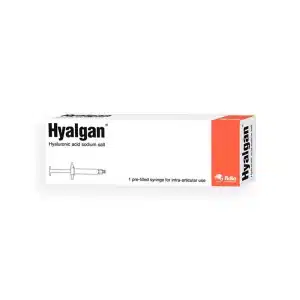
(1 products)HYALGAN® is a sodium hyaluronate viscosupplement by Fidia Pharma, FDA-approved for intra-articular treatment of painful osteoarthritis of the knee in patients who have not responded adequately to conservative non-pharmacologic therapy and simple analgesics. Buy HYALGAN® through trusted medical supply channels to access this established viscosupplement for professional use. Supplied as a HYALGAN® 20 mg/2 mL prefilled syringe containing avian-derived purified sodium hyaluronate, it is administered directly into the knee joint weekly, with the labeled treatment cycle consisting of five weekly injections. As one of the longest-established viscosupplements on the market, HYALGAN® carries a substantial body of controlled clinical trial data — including the Moskowitz HYALGAN® study group randomized trial — that underpins its continued use in orthopedic, rheumatology, and sports medicine settings. Licensed practitioners can browse the Doctor Medica catalog or contact representatives for availability, documentation, and sourcing support.
Filters
Category
Brand
Price Range
$
$


HYALGAN® Product Spotlight
HYALGAN® 20 mg/2 mL prefilled syringe contains sodium hyaluronate at 20 mg/mL in a 2 mL volume, supplied as avian-derived purified HA — sourced from rooster comb — in phosphate-buffered saline. The prefilled syringe is designed for intra-articular administration directly into the knee joint and is the standard format used in viscosupplementation protocols for knee osteoarthritis pain. [1][2]
The labeled HYALGAN® injection dosage is 2 mL per injection, administered once weekly. The standard labeled treatment cycle is five weekly intra-articular injections, with the Moskowitz HYALGAN® study group randomized controlled trial demonstrating efficacy and safety across this full injection series. [2][3] Clinical studies examining the efficacy of different hyaluronic acid dose schedules in painful knee osteoarthritis with joint effusion have reported that three-injection schedules may also confer benefit in some patients, providing a basis for the shorter course used in certain clinical settings. [5]
Practitioners preparing to buy HYALGAN® injection online should verify the product format, LOT number, expiry, storage requirements, and available documentation before clinical use. [1][2]
Clinical Standing, Regulatory Status, and Billing
HYALGAN® is FDA-approved for intra-articular treatment of painful knee osteoarthritis in patients who have not had adequate relief from conservative non-drug therapy or simple analgesics. It is regulated as a medical device and is administered by or on the order of a licensed physician. [1] Its long market history — encompassing the Moskowitz HYALGAN® study group randomized controlled trial, long-term follow-up data, and studies on hyaluronic acid dosing schedules — makes it one of the most clinically documented viscosupplements available to practitioners today. [3][4][5]
Long-term efficacy and safety have been characterized in follow-up studies of intra-articular sodium hyaluronate in patients with knee OA, supporting repeat treatment cycles where clinically appropriate and consistent with payer requirements. [4]
For billing, HYALGAN® is commonly billed under J-code J7321. CMS billing articles reference J7321 for hyaluronan or derivative products — including HYALGAN® — when used for intra-articular injection. This established billing pathway is one of the practical reasons practitioners continue to rely on HYALGAN® within viscosupplementation workflows: the code is familiar to clinic billing teams and payers alike, reducing administrative complexity compared with newer or less commonly coded products. Practitioners should confirm local payer and LCD requirements before submitting claims, as billing practices and coverage criteria may vary by region. [6]
Does Medicare cover HYALGAN® injections? Coverage is available under applicable CMS viscosupplementation criteria for qualifying patients. Coverage depends on medical-necessity documentation, a confirmed OA diagnosis, prior treatment history, and payer-specific requirements. Clinic teams should verify current CMS guidance and individual patient eligibility before treatment. [6]
About HYALGAN® — Indications and Clinical Positioning
HYALGAN® is FDA-approved for intra-articular treatment of painful osteoarthritis of the knee, specifically for patients who have not responded adequately to conservative non-pharmacologic therapy and simple analgesics — placing it at a defined step in the OA management pathway before surgical intervention. [1] Practitioners building or reviewing their knee injection offering can explore buy orthopedic injections across the Doctor Medica catalog to assess where HYALGAN® fits alongside other viscosupplements and intra-articular options.
Practitioners should note that the FDA-cleared indication covers the knee joint. References in clinical literature and online sources to viscosupplementation for the hip, shoulder, and ankle represent off-label applications outside HYALGAN®’s approved labeling and should be evaluated in accordance with local regulations, available evidence, and individual patient circumstances. [1]
Because HYALGAN® is a sodium hyaluronate orthopedic injectable rather than an aesthetic product, it should be clearly distinguished from HA-based products used in soft-tissue correction and facial volumization. Practitioners seeking products for those indications will find them in separate categories — those who buy dermal fillers or buy HA dermal fillers through Doctor Medica are working with a different product class entirely, with distinct indications, administration techniques, and regulatory contexts.
How HYALGAN® Works — Sodium Hyaluronate and Viscosupplementation
HYALGAN® is injected directly into the knee joint, where sodium hyaluronate supplements the naturally occurring hyaluronic acid present in synovial fluid. In osteoarthritis, the concentration and viscoelastic quality of synovial HA may decline, reducing the joint’s ability to absorb mechanical load and move smoothly. Intra-articular treatment with sodium hyaluronate is intended to help restore these lubricating and cushioning properties, reducing pain and supporting function in patients with knee osteoarthritis. [2][3]
HYALGAN® ingredients consist of purified sodium hyaluronate derived from avian sources — specifically rooster comb — in phosphate-buffered saline, at a concentration of 20 mg/2 mL. The avian origin is clinically relevant: practitioners should screen patients for hypersensitivity to avian proteins, feathers, or egg products before treatment. [2] The molecular weight of sodium hyaluronate is commonly reported to be in the 500–730 kDa range.
It is worth clarifying for practitioners who encounter HYALGAN® described as a “medication”: HYALGAN® is regulated as a medical device, not a drug, per its FDA classification. [1] This distinction matters for prescribing context, billing classification, and patient communication. The clinical evidence base includes the Moskowitz HYALGAN® study group randomized clinical trial, long-term efficacy and safety data, and studies examining intra-articular sodium hyaluronate across different dosing schedules in patients with knee osteoarthritis. [3][4][5]
Administration — Injection Protocol and Patient Considerations
A licensed practitioner administers HYALGAN® as an intra-articular injection directly into the knee joint. Product handling, preparation, and injection technique should follow the current IFU, aseptic standards, and the practitioner’s facility protocol. [1][2]
Before each injection, the knee should be assessed for swelling, active inflammation, tenderness, or joint effusion. If a knee with joint effusion is present, aspiration may be performed at the practitioner’s discretion prior to injecting, to support accurate product placement and patient comfort. The injection should be delivered carefully into the joint space, with attention to avoiding extra-articular or intravascular placement. [1][2]
Pain Level and Duration
Mild discomfort is typical and generally consistent with intra-articular knee injections. Pain levels depend on joint sensitivity, effusion, active inflammation, and injection technique. Local anesthetic may be used at the practitioner’s discretion to manage procedural discomfort. [1][2]
As for its duration, the onset of relief varies. Some patients begin to notice improvement within several weeks of starting the injection series, while others experience gradual benefit as the full course progresses. [2][3][4] Because HYALGAN® is administered as a course-based viscosupplementation treatment, clinical response is best assessed across the complete injection schedule rather than after a single session.
About the Manufacturer — Fidia Pharma
Fidia Pharma is an Italian biopharmaceutical and medical device company founded in 1946 and headquartered in Abano Terme, Italy. The company has long focused on hyaluronic acid-based product development across orthopedics, wound care, ophthalmology, and aesthetic applications — a depth of HA expertise that positions HYALGAN® as part of a specialist rather than a generalist portfolio.
Beyond HYALGAN®, Fidia Pharma’s broader HA range has included products such as Hyalubrix, Sinovial, and other sodium hyaluronate viscosupplements, reflecting the company’s sustained investment in the future of hyaluronans in orthopedics and related fields.
HYALGAN® Safety Profile — Side Effects and Contraindications
The safety profile of HYALGAN® is well characterized by decades of controlled clinical trial data and long-term follow-up studies. Common post-injection reactions include temporary pain, swelling, warmth, redness, bruising, or mild joint effusion at the injection site — effects consistent with the intra-articular sodium hyaluronate class and generally self-limited. Persistent pain, significant swelling, fever, or any sign of infection following injection requires prompt clinical assessment. [1][2]
HYALGAN® should not be administered to patients with known hypersensitivity to hyaluronate preparations. Because it is derived from avian sources, patient screening for allergies to avian proteins, feathers, or egg products is an essential pre-treatment step. HYALGAN® should not be injected into an infected joint or through skin affected by infection or active disease. [1][2] Practitioners should also consider OA severity, prior conservative treatment history, anticoagulant use, and payer requirements when determining patient suitability, even given HYALGAN®’s well-established long-term safety record. [3][4]
HYALGAN® vs Competing Viscosupplements
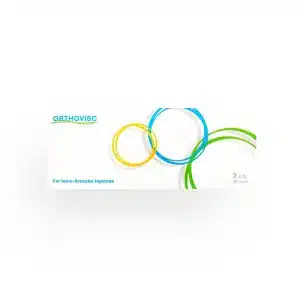
HYALGAN® vs ORTHOVISC®
HYALGAN® is an avian-derived sodium hyaluronate with a molecular weight in the 500–730 kDa range, administered as a labeled five-injection course. ORTHOVISC® is a non-avian ultra-high molecular weight HA viscosupplement generally associated with a 3–4 injection schedule. The key points of comparison are HA source, molecular weight, and treatment course length, with a history of avian allergy being a clinically relevant differentiator between the two. Practices that buy ORTHOVISC® alongside HYALGAN® gain the flexibility to match the product to the patient based on the allergy profile and preferred injection schedule.
HYALGAN® vs EUFLEXXA®
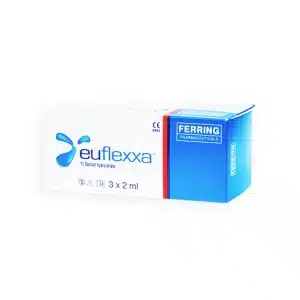
Where HYALGAN® is avian-derived, EUFLEXXA® is produced through biofermentation — making it a non-avian sodium hyaluronate option for patients with avian protein sensitivity. EUFLEXXA® is typically administered as a 3-injection course compared with HYALGAN®’s labeled five-injection cycle. Clinics managing a mix of patients with and without avian protein considerations may find value in stocking both; those who buy EUFLEXXA® have a non-avian alternative available without leaving the sodium hyaluronate viscosupplement category.
HYALGAN® vs MONOVISC®
The most significant practical difference between HYALGAN® and MONOVISC® is the treatment schedule: HYALGAN® requires a weekly, five-injection course per its labeled cycle, while MONOVISC® is designed as a single-injection viscosupplement. For patients where reducing clinic visit frequency is a priority, or for practices managing high patient volumes, single-injection options offer a different workflow dynamic. Practices considering both approaches can buy MONOVISC® to offer patients the choice between a staged weekly protocol and a one-visit viscosupplementation option.
HYALGAN® vs SYNVISC®
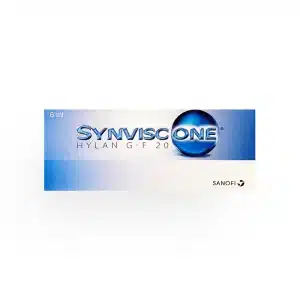
Both HYALGAN® and SYNVISC® are avian-derived viscosupplements, but their formulations differ meaningfully. HYALGAN® contains uncross-linked sodium hyaluronate at approximately 500–730 kDa; SYNVISC® contains cross-linked hylan G-F 20, a structurally modified HA derivative. The cross-linking in SYNVISC® affects its rheological properties and injection behavior compared with uncross-linked sodium hyaluronate products, and SYNVISC® is available in both multi-injection and single-injection formats. Clinics evaluating both can buy SYNVISC® to compare cross-linked and uncross-linked approaches within their viscosupplementation offering.
HYALGAN® vs SUPARTZ®
HYALGAN® and SUPARTZ® are closely matched in their basic profiles: both are avian-derived sodium hyaluronate viscosupplements for knee osteoarthritis and are associated with weekly injection courses. Differences may arise in concentration, product presentation, payer familiarity in specific markets, and clinic preference based on prior use. For practices building a viscosupplementation program, those who buy SUPARTZ® can compare both products against their payer mix and patient population before settling on a primary product.
Doctor Medica has supplied viscosupplementation and orthopedic injection products to licensed practitioners since 2006, offering competitive wholesale prices, guaranteed authenticity, and verifiable LOT numbers. Practitioners looking to buy HYALGAN® wholesale or order HYALGAN® for their clinic can browse the Doctor Medica catalog or contact representatives for availability, documentation, and purchasing support.
FAQs
What is HYALGAN®?
HYALGAN® is an FDA-approved sodium hyaluronate viscosupplement by Fidia Pharma for intra-articular treatment of painful osteoarthritis of the knee. The listed SKU is the HYALGAN® 20 mg/2 mL prefilled syringe. It is one of the longest-established viscosupplements on the market, with a substantial evidence base from controlled clinical trials. [1][3]
How does HYALGAN® work?
HYALGAN® is injected directly into the knee joint, where sodium hyaluronate supplements the naturally occurring HA in synovial fluid, helping restore the lubricating and cushioning properties depleted by osteoarthritis. It is a medical device, not a corticosteroid or drug. [1][2]
What is HYALGAN® made of?
HYALGAN® contains purified avian-derived sodium hyaluronate — sourced from rooster comb — at 20 mg/2 mL in phosphate-buffered saline. Because it is avian-derived, patients should be screened for hypersensitivity to avian proteins, feathers, or egg products before treatment. [2]
What is the HYALGAN® J-code?
HYALGAN® is commonly billed under J-code J7321, the CMS billing code for hyaluronan or derivative viscosupplementation products. Practitioners should confirm local payer and LCD requirements before submitting claims. [6]
Does Medicare cover HYALGAN® injections?
Coverage is available under applicable CMS viscosupplementation criteria for qualifying patients with knee osteoarthritis. Coverage depends on medical necessity, documentation of an OA diagnosis, prior treatment history, and payer-specific requirements. Clinic teams should verify current coverage and patient eligibility before treatment. [6]
How long does it take for HYALGAN® injections to work?
Onset varies by patient. Many notice improvement within weeks of starting the injection course, with full benefit potentially building over the entire injection series. Clinical response is best assessed over the full course rather than after a single injection. [3][4]
Are HYALGAN® injections painful?
Mild injection-site discomfort is typical and consistent with intra-articular knee injections generally. Discomfort depends on technique, joint sensitivity, effusion, and patient factors. Local anesthetic may be used at the practitioner’s discretion. [1][2]
What is the HYALGAN® injection dosage?
The labeled dosage is 2 mL per injection, administered once weekly. The labeled treatment cycle is five weekly intra-articular injections. Clinical studies have also examined three-injection schedules, with observed benefit reported in some patients. Practitioners should follow the current IFU and payer documentation requirements. [2][3][5]
HYALGAN® vs SYNVISC® — what are the differences?
Both are avian-derived viscosupplements, but HYALGAN® contains uncross-linked sodium hyaluronate at approximately 500–730 kDa, while SYNVISC® contains cross-linked hylan G-F 20. They differ in structure, rheological properties, injection schedule options, and product behavior. Practitioners should compare the clinical evidence and patient profile before selecting between them.
Where can practitioners buy HYALGAN® wholesale?
Licensed practitioners can purchase HYALGAN® through Doctor Medica, which supplies orthopedic injectables at wholesale prices with verifiable LOT numbers and documentation support. Contact representatives for product availability and professional purchasing assistance.
Citations
- S. Food and Drug Administration. P950027 – Premarket Approval (PMA) – HYALGAN®. FDA. 1997. https://www.accessdata.fda.gov/scripts/cdrh/cfdocs/cfpma/pma.cfm?id=P950027
- Fidia Pharma USA Inc. HYALGAN® Package Insert. Fidia Pharma USA Inc. 2023. https://www.hyalgan.com/wp-content/uploads/2023/02/HYALGAN-package-insert-Fidia-USA.pdf
- Altman RD, Moskowitz R, HYALGAN Study Group. Intraarticular sodium hyaluronate (Hyalgan) in the treatment of patients with osteoarthritis of the knee: a randomized clinical trial. J Rheumatol. 1998. https://pubmed.ncbi.nlm.nih.gov/9818665
- Neustadt DH. Long-term efficacy and safety of intra-articular sodium hyaluronate (Hyalgan) in patients with osteoarthritis of the knee. Clin Exp Rheumatol. 2003. https://pubmed.ncbi.nlm.nih.gov/12846048
- Carrabba M, Paresce E, Angelini M, Re KA, Torchiana EEM, Perbellini A. The safety and efficacy of different dose schedules of hyaluronic acid in the treatment of painful osteoarthritis of the knee with joint effusion. Eur J Rheumatol Inflamm. 1995. https://myorthoevidence.com/AceReport/Show/8143
- Centers for Medicare & Medicaid Services. Intraarticular Knee Injections of Hyaluronan (A56157). CMS. https://www.cms.gov/medicare-coverage-database/view/article.aspx?articleid=56157&ver=19&
- National Library of Medicine, AccessGUDID. Hyalgan® Sodium Hyaluronate 20 mg/2 mL device record. U.S. National Library of Medicine. n.d. https://accessgudid.nlm.nih.gov/devices/M71389122072412A1
For licensed medical professionals only. This content is for informational purposes only and does not constitute medical advice.
Written by Doctor Medica’s Editorial team
The content on this page has been written and fact-checked in accordance with our Editorial Policy. Clinical claims are sourced from peer-reviewed literature, regulatory documentation, and manufacturer specifications. Where citations are provided, it is always in accordance to our editorial standards.
Doctor Medica sources products exclusively through authorized distributors and established procurement channels. Products are verified as genuine, and supplied in the original packaging with their seal intact. Learn more about how we guarantee product authenticity, sourcing compliance, and traceable delivery to our clients.