Your Cart is Empty
Start shopping

When it comes to non-invasive skin rejuvenation, BioRePeelCL3 and PRX-T33 are two standout treatments that continue to gain attention from both providers and patients. Each offers a unique way to stimulate collagen production and cellular renewal—but without the visible peeling and downtime often associated with traditional chemical peels.
Although both are categorized as biostimulating peels, their formulas and methods of action set them apart. BioRePeelCL3 uses a biphasic blend with 35% TCA, amino acids, and vitamins, making it a go-to for those looking to refresh dull skin, fade acne scars, and even out tone—often with a noticeable glow after the first session. On the other hand, PRX-T33 combines 33% TCA with hydrogen peroxide, allowing it to penetrate more deeply into the dermis. In turn, this promotes longer-term improvements in wrinkles, pigmentation, and skin firmness.
In this article, we’ll explore the key differences between these two innovative treatments, explain how each works, and consider whether combining BioRePeel and PRX-T33 could offer even greater results for those looking to revitalize their skin from multiple angles.
Key Takeaways
- BioRePeel contains 35% TCA along with lactobionic and salicylic acids, focusing on gentle exfoliation, while PRX-T33 includes 33% TCA with hydrogen peroxide and kojic acid for deeper skin stimulation.
- BioRePeel promotes surface-level renewal for smoother, clearer skin, whereas PRX-T33 stimulates collagen production for improved skin elasticity and firmness.
- BioRePeel is ideal for reducing acne, pigmentation, and uneven texture, while PRX-T33 is preferred for anti-aging treatments and dermal tightening.
- Both treatments offer lower downtime compared to traditional peels, making them popular among patients seeking quick and effective results.
- Combining BioRePeel and PRX-T33 can enhance outcomes by addressing both surface-level and deeper skin concerns.
- Patient selection is crucial; younger patients may benefit more from BioRePeel, while mature patients seeking skin tightening may find PRX-T33 more effective.
- Factors such as skin type, medical history, and treatment timing are essential when considering combined therapies to avoid overstimulation.
- Using both treatments together provides a multifaceted strategy for achieving clearer, smoother, and firmer skin without compromising safety and comfort.
About: Doctor Medica is your trusted supplier of top-quality dermal fillers, viscosupplements, and a range of medical and aesthetic products for your practice. We offer authentic products from leading brands at the lowest prices. Contact Doctor Medica today!
Recommended products
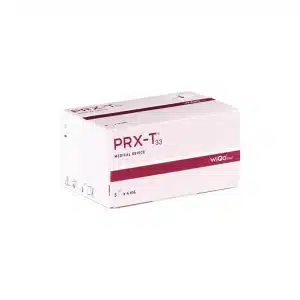

BioRePeel Formula and Indications Compared to PRX-T33
BioRePeel is a biphasic peel composed of 35% trichloroacetic acid (TCA), lactobionic acid, salicylic acid, and amino acids. It gently exfoliates while delivering antioxidant and hydrating benefits. Its strength lies in reducing acne, pigmentation, and uneven texture. Patients experience smoother skin with minimal redness or downtime, making BioRePeel popular among those wanting fast results without visible peeling [1].
PRX-T33, on the other hand, blends 33% TCA with hydrogen peroxide and kojic acid. Unlike traditional peels, its patented formula penetrates deeply without damaging the outer skin layer. This results in PRX-T33 collagen stimulation, which supports skin tightening and reduces signs of aging. Unlike BioRePeel, PRX-T33 is often chosen for its lifting effects, firmness, and improved dermal density.
For clinics looking to purchase PRX-T33 online, this difference makes the product especially relevant for treatment plans focused on firmness and overall skin quality rather than surface exfoliation alone. Its place within a professional peel portfolio also gives practitioners another option when selecting protocols according to the client’s skin concerns and desired treatment intensity.
Key Differences in Mechanism: Exfoliation vs Biostimulation
Although both are classified as “no-peel” peels, they work through entirely different mechanisms. Understanding this distinction is essential for tailoring treatments to individual needs [2].
BioRePeel Mechanism
- Exfoliates dead skin cells from the epidermis.
- Promotes faster skin turnover and renewal.
- Improves clarity, reduces congestion, and enhances radiance.
- Ideal for acne-prone, dull, or textured skin.
PRX-T33 Mechanism
- Uses hydrogen peroxide to modulate TCA penetration.
- Stimulates fibroblasts to produce collagen and elastin.
- Achieves skin tightening and improved elasticity without surface peeling.
- Suited for anti-aging and dermal rejuvenation.
In comparisons such as PRX-T33 vs TCA peels, PRX-T33 is often favored for its biorevitalization effects, stimulating collagen without the downtime of deeper peels. Both PRX-T33 and BioRePeel are CE-marked for professional use in Europe and widely used internationally, though neither is FDA-approved in the United States.
Can BioRePeel and PRX-T33 Be Combined for Enhanced Outcomes?
Dermatologists increasingly explore the potential of combining these treatments—a BioRePeel and PRX-T33 combo leverages exfoliation and collagen stimulation for synergistic benefits. By first resurfacing with BioRePeel and then stimulating dermal repair with PRX-T33, patients achieve improvements in both texture and firmness [3].
This approach is especially valuable for patients with multiple concerns: fine lines, acne scars, and pigmentation. While BioRePeel addresses surface issues, PRX-T33 complements it with long-term skin tightening. Together, the treatments can deliver more comprehensive outcomes without extending recovery time.
In fact, many clinics report higher satisfaction when these modalities are alternated or layered in treatment plans. However, the combination should be tailored to suit the individual’s skin type, tolerance, and specific patient goals. A patch test and stepwise approach are recommended to minimize risks.
Patient Selection and Clinical Considerations for Combining Treatments
Selecting patients for a combined protocol requires careful evaluation and consideration. BioRePeel vs PRX-T33 is not about superiority but suitability. Younger patients with acne and texture concerns may benefit more from BioRePeel, while mature patients seeking PRX-T33 skin tightening may prefer biostimulation. Combining the two becomes most effective for individuals with overlapping concerns.
Clinical Considerations
- Skin Type and Sensitivity: Individuals with Fitzpatrick types I–III respond predictably, while those with darker tones may require extra caution.
- Medical History: Patients with rosacea or active infections should avoid these peels.
- Treatment Timing: Sequential application should be spaced to avoid overstimulation.
- Adjunct Therapies: Can be paired with microneedling or mesotherapy for enhanced rejuvenation.
Conclusion
When considering BioRePeel vs PRX-T33, the decision is not an either-or choice. Each peel offers unique benefits—BioRePeel excels in exfoliation, while PRX-T33 leads in collagen biostimulation. Used together, they form a comprehensive skin rejuvenation strategy.
Clinically, their complementary mechanisms allow dermatologists to address both superficial and more profound concerns. Patients achieve clearer, smoother, and firmer skin with minimal downtime. This makes them highly adaptable in modern aesthetic medicine.
Ultimately, the answer is yes: BioRePeel and PRX-T33 do complement each other. With proper selection, sequencing, and professional oversight, they deliver multi-dimensional results unmatched by single-treatment protocols. For patients seeking holistic skin improvement, the combination offers a robust, evidence-based solution.
FAQs
1. What is the main difference between BioRePeel and PRX-T33?
BioRePeel focuses on surface exfoliation, while PRX-T33 emphasizes collagen stimulation for skin tightening.
2. Can BioRePeel and PRX-T33 be used together?
Yes. A BioRePeel and PRX-T33 combination is often used to treat texture, tone, and laxity in a single treatment plan.
3. Is there downtime with BioRePeel or PRX-T33?
Both are considered no-peel peel comparison treatments, meaning they result in minimal redness and almost no visible peeling.
4. Who should avoid these treatments?
Patients with active skin infections, those who are pregnant, or individuals with certain chronic conditions should consult their healthcare provider before undergoing either treatment.
Citations
[1] Piejko, L., M. Glenc-Ambroży, J. Juszczyk, et al. “TCA Chemical Peel as Facial Anti-Aging Therapy for Postmenopausal Women: A Randomised Clinical Study.” Postępy Dermatologii i Alergologii, vol. 42, no. 1, 2025, pp. 28–41. https://doi.org/10.5114/ada.2024.144161.
[2] Gold, Michael H., A. Wilson, and J. A. Biron. “Treatment of Mild to Moderate Facial Chrono- and Photodamage with a Novel Intense Liquid Trichloroacetic Acid Peel.” Journal of Clinical and Aesthetic Dermatology, vol. 15, no. 1, 2022, pp. E61–E65.
[3] Khunger, N., and C. Chanana. “A Perspective on What’s New in Chemical Peels.” Cosmoderma, vol. 2, 2022, article 14. https://doi.org/10.25259/csdm_5_2022.
The content on this page has been written and fact-checked in accordance with our Editorial Policy. Clinical claims are sourced from peer-reviewed literature, regulatory documentation, and manufacturer specifications. Where citations are provided, it is always in accordance to our editorial standards.