Your Cart is Empty
Start shopping

Glabellar lines, commonly known as frown lines or “elevens,” are vertical wrinkles that form between the eyebrows and become more noticeable with age, stress, and repeated facial expressions. For patients seeking to soften these creases, Juvederm 11 lines treatment may be considered as a non-surgical approach to restoring volume and creating a smoother appearance.
Juvederm, a leading hyaluronic acid filler, has been shown to address these glabellar lines effectively. It offers a non-surgical solution for those looking to smooth out these signs of aging. Its formulation is designed to integrate with facial tissues, providing natural-looking results that maintain facial expressions.
This article will discuss the innovative approach of using Juvederm to treat glabellar lines. We’ll cover the benefits, the procedure, and what patients can expect regarding results and recovery.
Key Takeaways
- Glabellar, or “11 lines,” presents unique challenges due to muscle movement and skin texture.
- Juvederm fillers are suitable for addressing glabellar lines due to their smooth consistency and ability to integrate seamlessly into the skin.
- Injection techniques, dosing considerations, patient selection criteria, and pre-treatment assessment are crucial for optimal outcomes when using Juvederm fillers in the glabellar area.
- Effective treatment of glabellar lines with Juvederm can enhance patient satisfaction and confidence in their appearance, contributing to overall facial harmony and rejuvenation.
About: Doctor Medica is your trusted supplier of top-quality dermal fillers, viscosupplements, and more for your medical practice. We offer genuine products from leading brands at the lowest prices.
What Are Glabellar Lines and Why Are They Challenging to Treat?
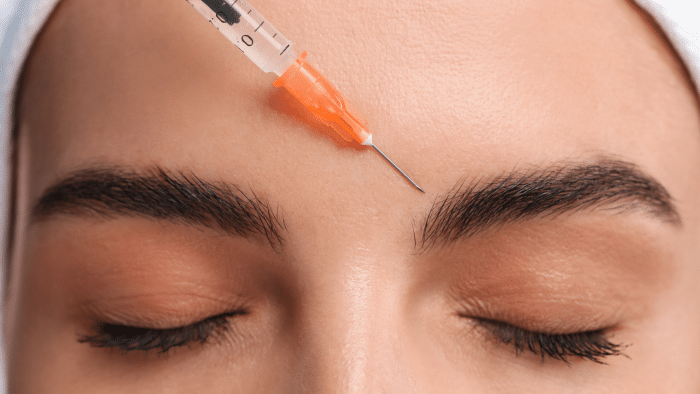
Forehead lines and wrinkles between the eyebrows are known as glabellar lines. These facial creases form due to loose skin, fat loss, or collagen breakdown. Unlike some facial lines that result from muscle action, these aging lines develop when the underlying support structures of the skin weaken.
Glabellar lines, wrinkles between the eyebrows, appear when someone frowns or makes other facial expressions. They signal aging and can make someone look upset or angry even when they’re not.
Moving from how glabellar lines affect looks and feelings, we now face the tricky part of treating them. Treating frown lines is not just about smoothing wrinkles; it’s also a complex task because of how muscles move and skin changes.
Juvederm 11 Lines: The Role of Dermal Fillers

Juvederm fillers stand out because they’re made with hyaluronic acid, naturally occurring in our skin. This key ingredient helps them blend smoothly into facial tissue, offering natural-looking rejuvenation.
Moving from understanding Juvederm’s unique qualities, we find that these features play a crucial role in effectively treating glabellar lines. FDA approval lends credibility to Juvederm as a safe choice for facial enhancement treatments, including those challenging frown lines between the eyebrows.
Aside from treating glabellar lines, Juvederm is also renowned for its versatile applications. In some cases, healthcare professionals can also use Juvederm for laugh lines or for bringing back tight skin in the back of the hands. This versatility makes it a top choice in aesthetic medicine.
Injection Techniques and Dosing Consideration
Treating Juvederm 11 lines requires careful attention to facial anatomy, injection depth, product placement, and dosing to achieve balanced, natural-looking results.
The Crest Injection Technique stands out for correcting glabellar lines with Juvederm fillers. This method respects muscle anatomy while ensuring an optimal injection site for natural-looking results.
Choosing the correct dose and injection depth is critical for good results with Juvederm in treating glabellar lines. Too deep or too much can lead to issues, while too little may not give the desired smoothness.
Talking with patients about what to expect from Juvederm injections is critical. Patients should know that results can vary. They might see tenderness, swelling, or bruising where they got the injection.
Patient Selection Criteria and Pre-Treatment Assessment
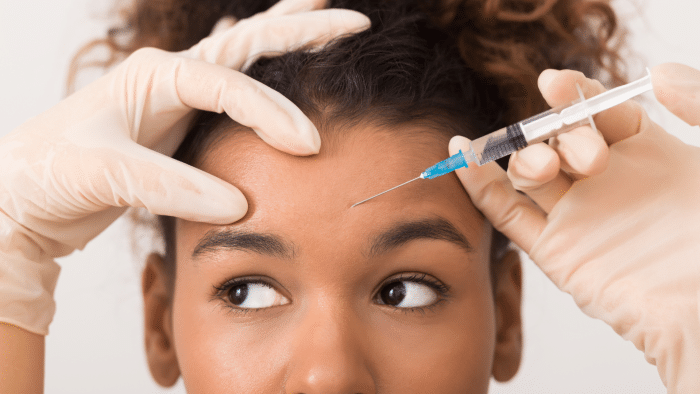
To identify suitable candidates for Juvederm treatment of glabellar lines, doctors look for those with slight or moderate creases. This selection focuses on people whose skin can still integrate the filler well for a smooth look.
Choosing the right approach for Juvederm injections in the glabellar area starts with a good look at each patient. Faces are different, and some might have asymmetry or unique features that can affect treatment.
Treatment planning may also extend beyond the upper face, with some patients asking about Juvederm for neck concerns as part of a broader facial and neck rejuvenation approach. Suitability depends on the specific concern, skin quality, anatomy, and the product selected.
Before starting Juvederm injections in the glabellar area, patient education and informed consent are essential. Doctors must ensure patients understand what to expect from the treatment, including possible side effects and results.
Maximizing Patient Satisfaction and Confidence

When treating Juvederm 11 lines, medical professionals should focus on appropriate patient selection, realistic expectations, and precise product placement to support patient satisfaction. Studies show that using ABO 50 U in these injections can make people happy with their look after six months [1].
Medical professionals can play a crucial role in boosting patient satisfaction and confidence. The proper use of Juvederm for glabellar lines significantly affects how patients see themselves.
Treating glabellar lines with Juvederm has shown great promise in boosting patient satisfaction [2]. This comes from a natural blend of facial rejuvenation and aesthetic enhancement, contributing to a more positive self-perception.
Conclusion
Addressing Juvederm 11 lines requires a comprehensive understanding of facial anatomy, skin quality, muscle activity, and the unique challenges associated with the glabellar area. By leveraging the specific properties of Juvederm fillers, employing precise injection techniques, and adhering to patient selection criteria, medical professionals can achieve optimal outcomes and enhance patient satisfaction and confidence in their appearance.
Through a tailored approach and a commitment to excellence, Juvederm’s effective treatment of glabellar lines contributes to overall facial rejuvenation and harmony, ultimately improving the quality of life for patients seeking aesthetic enhancement.
FAQs
1. What are Juvederm’s 11 lines?
Juvederm 11 lines are wrinkles that appear between your eyebrows when you frown or think hard.
2. How does Juvederm help with these lines?
It fills in those pesky lines, making the skin look smoother and younger.
3. Is getting Juvederm for 11 lines a long process?
Nope, it’s pretty quick – usually done in just one visit to the doctor.
4. Does it hurt to get Juvederm injections?
You might feel a pinch, but doctors often use something to numb the area first.
5. How long do the results last after getting Juvederm for 11 lines?
The smooth look can last up to a year before you want another touch-up.
Citations
[1] Schlessinger, Joel, et al. “A Multicenter Study to Evaluate Subject Satisfaction With Two Treatments of AbobotulinumtoxinA a Year in the Glabellar Lines.” Dermatologic Surgery, vol. 47, no. 4, 2021, pp. 504-509. https://doi.org/10.1097/DSS.0000000000002846.
[2] Eccleston, David, and Diane K. Murphy. “Juvéderm® Volbella™ in the Perioral Area: A 12-Month Prospective, Multicenter, Open-Label Study.” Clinical, Cosmetic and Investigational Dermatology, vol. 5, 2012, pp. 167-172. https://doi.org/10.2147/CCID.S35800.
[3] Kestemont, Philippe, et al. “Long-Term Efficacy and Safety of Liquid AbobotulinumtoxinA Formulation for Moderate-to-Severe Glabellar Lines: A Phase III, Double-Blind, Randomized, Placebo-Controlled and Open-Label Study.” Aesthetic Surgery Journal, vol. 42, no. 3, 2022, pp. 301-313. https://doi.org/10.1093/asj/sjab329
The content on this page has been written and fact-checked in accordance with our Editorial Policy. Clinical claims are sourced from peer-reviewed literature, regulatory documentation, and manufacturer specifications. Where citations are provided, it is always in accordance to our editorial standards.