Your Cart is Empty
Start shopping

Skin boosters, including those using polynucleotides (PN), have shown significant potential in improving skin conditions by stimulating collagen production, enhancing elasticity, and reducing fine lines. These treatments promote skin hydration and repair, making them popular options for those looking to achieve youthful, healthy skin without invasive procedures.
Two of the most effective skin boosters available today are Rejuran and Sunekos. Rejuran uses salmon DNA-derived polynucleotides to regenerate and heal the skin, while Sunekos blends hyaluronic acid with amino acids to stimulate collagen and elastin production. Each product takes a different approach to skin rejuvenation and offers unique benefits.
Medical practices looking to buy Sunekos online should source products from authorized suppliers to help ensure authenticity, appropriate storage, and proper handling.
In this article, we will compare Sunekos vs Rejuran, examining their formulations, mechanisms, and outcomes to help you determine the right choice for your skin needs.
Key Takeaways
- Sunekos and Rejuran are two leading skin boosters designed to rejuvenate the skin through non-surgical methods.
- Sunekos combines hyaluronic acid and amino acids to stimulate the production of collagen and elastin, while Rejuran utilizes polynucleotides (PN) derived from salmon DNA to regenerate the skin from within.
- Sunekos is effective for improving skin elasticity and hydration, while Rejuran is ideal for deep skin repair and reducing fine lines.
- Both treatments offer long-lasting benefits and promote a more youthful complexion in unique ways. Consulting an aesthetic professional is recommended to determine the best treatment for individual skin needs.
About: Doctor Medica is your trusted supplier of top-quality dermal fillers, viscosupplements, and more for your medical practice. We offer genuine products from leading brands at the lowest prices in the market.
Recommended products
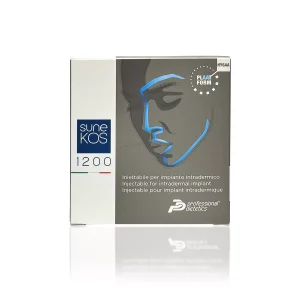

Sunekos vs Rejuran: Key Differences Between the Treatments

Sunekos and Rejuran are two leading skin boosters designed to rejuvenate the skin through non-surgical methods. Sunekos skin boosters combine hyaluronic acid and amino acids to stimulate the production of collagen and elastin—two essential proteins that maintain skin elasticity and structure [1].
On the other hand, Rejuran utilizes polynucleotides (PN) derived from salmon DNA to regenerate the skin from within. The polynucleotides encourage skin repair, improve hydration, and enhance elasticity by promoting cellular turnover and healing.
Active Ingredients

One of the main differences in Sunekos vs Rejuran is their formulation, as the treatments use different active ingredients to support skin rejuvenation.
Sunekos contains a unique combination of amino acids and hyaluronic acid. The amino acids include Glycine, L-Proline, L-Lysine, and L-Valine, which are essential for collagen and elastin synthesis [2]. Hyaluronic acid, a powerful humectant, helps to retain moisture in the skin, promoting hydration and elasticity.
Meanwhile, Rejuran is primarily composed of polynucleotides (PDRN) derived from salmon DNA. These polynucleotides have strong regenerative properties, promoting cell growth and healing. Rejuran HB, a variant of Rejuran, combines PDRN with hyaluronic acid to further enhance its moisturizing and skin-rejuvenating effects.
Mechanism of Action

When comparing Sunekos vs Rejuran, their mechanisms of action also differ in how they support collagen production, hydration, and skin regeneration.
Sunekos skin boosters enhance the skin’s extracellular matrix, maintaining skin structure and hydration. They elevate the activity of fibroblasts, the cells responsible for generating new collagen and elastin. Sunekos promotes increased collagen and elastin production by stimulating these fibroblasts, adding firmness and elasticity to the skin.
Rejuran utilizes polynucleotides (PDRN) derived from salmon DNA to rejuvenate the skin. This ingredient helps repair damaged tissues at a cellular level, encouraging the regeneration of new skin cells and reducing fine lines. Unlike treatments that merely mask imperfections, Rejuran works deeply, targeting the root of skin damage to improve the skin’s healing capabilities.
Intended Applications
Sunekos is primarily used to treat a variety of skin concerns, including wrinkles, fine lines, and loss of skin elasticity. It is particularly effective on the face, neck, and décolletage. Patients researching treatment frequency may also look for guidance on Sunekos how many treatments are typically recommended for optimal results.. For optimal results, a course of three to four sessions is recommended, spaced roughly 7-10 days apart.
Rejuran is also used for skin rejuvenation, focusing on improving skin texture, elasticity, and hydration. It is commonly applied to the face, especially areas prone to fine lines and wrinkles such as the under-eye region and nasolabial folds, as well as the neck and hands.
Comparative Analysis
| Strengths | Weaknesses | |
| Sunekos | Helps the skin produce more collagen and elastin, making it tighter and better at retaining moisture. Makes the skin look younger and fresher. Costs less than other treatments like Profhilo. | Ineffective for deep wrinkles or sagging skin. For more severe issues, more invasive treatments may be necessary. |
| Rejuran | Heals the skin and reduces fine lines using salmon DNA (PDRN). Improves the appearance of aging skin, making it look younger. Can address various skin concerns beyond fine lines. | Higher cost compared to treatments like Sunekos, making it less affordable for some. May not work for everyone, with results sometimes taking longer to appear. |
Conclusion
Choosing between Sunekos vs Rejuran depends on your individual skin needs and goals. If you’re focused on improving skin elasticity and hydration, Sunekos may be the better option due to its ability to effectively stimulate collagen and elastin production. On the other hand, if you’re aiming for deep skin repair and reducing fine lines, Rejuran’s regenerative properties make it ideal for healing damaged skin and enhancing texture.
Both treatments offer long-lasting benefits and promote a more youthful complexion in unique ways. To determine which is right for you, consider your primary skincare concerns and consult an aesthetic professional who can guide you toward the best treatment for your skin.
FAQs
1. What is the difference between Sunekos and Rejuran?
Sunekos boosts collagen and elastin production, improving hydration and skin elasticity. Rejuran uses salmon DNA to repair damaged skin and reduce fine lines, making it better for deeper skin regeneration.
2. Which treatment is better for deep wrinkles?
For deep wrinkles or sagging skin, Rejuran may be more effective due to its regenerative properties that target deeper layers of the skin. Sunekos, while excellent for hydration and elasticity, may not be as effective for more severe skin concerns.
3. What are the common side effects of Sunekos and Rejuran?
Both treatments are generally well-tolerated, but common side effects include temporary redness, swelling, and mild bruising at the injection site. These effects typically subside within a few days.
Citations
[1] Professional Dietetics S.p.A. “Sunekos – Hyaluronic Acid and Amino Acids for the Skin.” Sunekos, n.d., https://sunekos.com/.
[2] Solano, Francisco. “Metabolism and Functions of Amino Acids in the Skin.” Advances in Experimental Medicine and Biology, vol. 1265, 2020, pp. 187-199. https://doi.org/10.1007/978-3-030-45328-2_11.
[3] Adusumilli, Nagasai. “Injectable Skin Boosters: The Science Behind This New FDA-Approved Injectable Category.” Next Steps in Dermatology, 27 Feb. 2024, https://nextstepsinderm.com/derm-topics/injectable-skin-boosters-the-science-behind-this-new-fda-approved-injectable-category/.
[4] Tippett Jones, Jen. “Skin Boosters: What Are They, the Benefits, When to Have Them & More.” Skn Plus, 18 Sept. 2025, https://www.sknplus.co.uk/blog/skin-boosters-guide.
The content on this page has been written and fact-checked in accordance with our Editorial Policy. Clinical claims are sourced from peer-reviewed literature, regulatory documentation, and manufacturer specifications. Where citations are provided, it is always in accordance to our editorial standards.