Your Cart is Empty
Start shopping

Hyaluronic acid (HA) has become a cornerstone in aesthetic treatments, with millions of people worldwide opting for dermal fillers to achieve smoother, more youthful skin. Its popularity stems from its natural occurrence in the body, providing safe and effective results with minimal downtime.
Among the leading HA-based fillers are Perfectha and Juvederm, two trusted brands known for delivering natural-looking results. While both are designed to enhance facial contours and smooth wrinkles, they differ in formulation, longevity, and application, making it essential to understand how they compare.
In this article, we will explore Perfectha vs Juvederm, examining their key differences, benefits, and suitability for various aesthetic needs to help you make an informed decision.
Key Takeaways
- Perfectha and Juvederm are hyaluronic acid-based fillers that address various aesthetic concerns, such as lip enhancement, wrinkle reduction, and facial contouring.
- Perfectha provides subtle, natural-looking results with formulations suited for short-term improvements and seamless skin integration.
- Juvederm, known for its advanced Vycross Technology, offers longer-lasting effects and is ideal for patients seeking pronounced volume and robust contouring.
- Both fillers cater to specific treatment areas. Perfectha is preferred for fine lines and natural lip volume, while Juvederm excels in cheek augmentation and deeper wrinkle correction.
- Choosing between the two depends on individual preferences, anatomical needs, and desired treatment outcomes.
About: Doctor Medica is your trusted supplier of top-quality dermal fillers, viscosupplements, and a range of medical and aesthetic products for your practice. We offer authentic products from leading brands at the lowest prices. Contact Doctor Medica today!
Recommended products
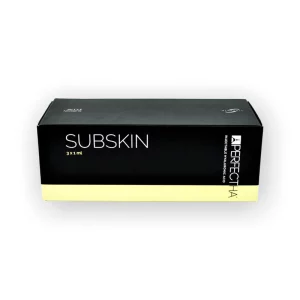

Understanding Perfectha and Juvederm
Perfectha and Juvederm are popular hyaluronic acid (HA)-based dermal fillers designed to address a wide range of aesthetic concerns, including wrinkle reduction, facial contouring, and volume restoration.
Perfectha, manufactured by Sinclair Pharma, uses cross-linked HA and E-BRID technology to create a stable yet flexible gel. This formulation is designed to integrate smoothly into the treated area and produce natural-looking results. Clinics and qualified practitioners who want to order Perfectha online can source the product from established medical suppliers while following applicable storage and handling guidelines.
Meanwhile, Juvederm is a popular dermal filler collection by Allergan Aesthetics. Juvederm fillers also use non-animal sourced hyaluronic acid, but they include additional components like lidocaine for comfort during injection and mannitol to maintain the gel structure.
Ideal Applications for Perfectha and Juvederm
Both Perfectha and Juvederm are versatile fillers, each offering tailored solutions for various facial areas, including lips, cheeks, and nasolabial folds.
- Lips: Using Perfectha filler for lips provides subtle volume and definition, making it ideal for patients seeking natural-looking results. Its smooth texture ensures precise application and minimizes swelling, making it a popular choice for delicate areas like the lips. Meanwhile, particular Juvederm formulations (Volbella & Ultra XC) can add more pronounced volume and hydration to the lips while ensuring softness and flexibility.
- Cheeks: Juvederm Voluma provides robust volume and contouring, thanks to its thicker consistency and longer-lasting effects. Perfectha SubSkin offers a natural lift and suits subtle cheek enhancements with seamless integration.
- Nasolabial Folds: Both fillers deliver excellent results. Juvederm Vollure XC is designed for moderate to severe wrinkles, offering a durable and natural finish. Similarly, Perfectha Derm effectively softens lines while maintaining flexibility and a natural appearance.
Longevity and Results

The longevity and results of dermal fillers can vary depending on the formulation, treatment area, injection technique, and individual patient factors. In a Perfectha vs Juvederm comparison, Perfectha fillers generally provide results that can last several months, with duration varying according to the specific formulation and application. Deeper treatments intended for areas such as the cheeks may typically last longer than lighter formulations used for superficial lines.
In comparison, Juvederm often boasts a longer duration, especially products formulated with Vycross Technology. For example, Juvederm Voluma, designed for cheek contouring, can last up to 24 months, while Volbella for lips typically lasts around 12 months. Juvederm’s consistency and cross-linking technology contribute to its ability to maintain results over extended periods.
While Juvederm works better for those seeking longer-lasting effects, Perfectha offers a more subtle and natural enhancement for shorter-term aesthetic needs. Both fillers deliver reliable and effective results, making them ideal for various treatment goals.
Choosing Between Perfectha and Juvederm
There are several factors to consider when choosing between Perfectha and Juvederm. Preferences, anatomical considerations, and desired outcomes are vital in determining the best filler for you.
- Preferences: If you prefer a filler that offers natural-looking results with minimal swelling, Perfectha might be the better choice. For those seeking a more comfortable injection experience with lidocaine included, Juvederm could be preferable.
- Anatomical Considerations: Perfectha is well-suited for subtle enhancements, which is ideal for fine lines and natural lip volume. Juvederm’s range of formulations can precisely address various facial areas, from delicate under-eye areas to robust cheek contouring.
- Desired Outcomes: For long-lasting effects, Juvederm products formulated with Vycross Technology, like Voluma, may be the best option. For shorter-term aesthetic needs with seamless integration into the skin, Perfectha offers excellent results.
Conclusion
Perfectha and Juvederm represent two exceptional options in the world of dermal fillers, each with its unique advantages. Perfectha provides a softer approach with natural results and is ideal for subtle refinements and shorter-term needs. In contrast, Juvederm offers a versatile range of products designed for longer-lasting, more dramatic enhancements.
By understanding the formulations, applications, and longevity of each filler, patients can make an informed decision about Perfectha vs Juvederm that aligns with their aesthetic goals. Consulting a qualified practitioner is essential to determine the most suitable option based on individual needs and preferences, ensuring safe and satisfying results.
FAQs
1. What is the primary difference between Perfectha and Juvederm?
Perfectha focuses on natural-looking, subtle enhancements with minimal swelling, while Juvederm provides longer-lasting results and is ideal for robust volume restoration.
2. Which filler is better for lip augmentation?
Perfectha filler for lips is excellent for achieving natural volume and definition. Juvederm Volbella and Ultra XC are better for more pronounced hydration and volume.
3. How long do Perfectha and Juvederm fillers last?
Perfectha lasts between 6–12 months, depending on the product and treatment area. Juvederm, particularly with Vycross Technology, can last 12–24 months, offering extended durability.
4. Are Perfectha and Juvederm suitable for all skin types?
Both fillers are compatible with most skin types, but it is essential to consult with a qualified practitioner before getting either of these treatments.
Citations
Yang J. Popular non-invasive cosmetic procedures worldwide 2023. Statista. Published September 23, 2024. https://www.statista.com/statistics/293449/leading-nonsurgical-cosmetic-procedures/
De Boulle K, Heydenrych I. Patient factors influencing dermal filler complications: prevention, assessment, and treatment. Clinical Cosmetic and Investigational Dermatology. Published online April 1, 2015:205. doi:10.2147/acid.s80446
The content on this page has been written and fact-checked in accordance with our Editorial Policy. Clinical claims are sourced from peer-reviewed literature, regulatory documentation, and manufacturer specifications. Where citations are provided, it is always in accordance to our editorial standards.