Your Cart is Empty
Start shopping

Wet age-related macular degeneration (wet AMD) is a major cause of vision loss and is commonly treated with anti-VEGF injections such as Eylea. Although treatment is intended to reduce fluid leakage and control abnormal blood vessel growth, some patients continue to show retinal fluid after treatment and may ask, “Why is wet macular still wet after taking Eylea injection?” Several factors can contribute, including individual treatment response, disease severity, injection frequency, and other underlying eye conditions.
In this article, we’ll examine why wet AMD might remain “wet” even after receiving Eylea injections, explore potential causes, and discuss strategies to enhance treatment effectiveness.
Key Takeaways
- Eylea (aflibercept) is an anti-VEGF injection that treats wet AMD by blocking VEGF-A and PlGF, reducing fluid accumulation, and stabilizing vision.
- Not all patients respond effectively to Eylea, leading to persistent or recurrent fluid in the macula due to diseases such as rarity, biological differences, and underlying ocular health.
- Utilization of OCT, Fluorescein Angiography, and ICGA helps in assessing treatment responses and guiding management decisions for non-responders.
- Switching to other anti-VEGF agents, such as Lucentis or Beovu, may benefit non-responders; combining laser therapy and steroid injections can also enhance fluid control.
- Gene therapy and new anti-VEGF agents under investigation may offer long-term solutions and improve treatment efficacy for patients with persistent fluid.
About: Doctor Medica is your trusted supplier of top-quality dermal fillers, viscosupplements, and a range of medical and aesthetic products for your practice. We offer authentic products from leading brands at the lowest prices. Contact Doctor Medica today!
Recommended products
Considering a Purchase?
Sign in to Explore Options.
Understanding Eylea’s Mechanism of Action
Eylea (aflibercept) is a type of medication known as an anti-VEGF injection, used to treat wet AMD by targeting abnormal blood vessels in the eye. These vessels often leak fluid, causing vision problems. Eylea works by blocking proteins called VEGF-A and placental growth factor (PlGF), preventing further leakage and helping stabilize vision.[1]
However, everyone responds differently to treatment. Some patients still experience fluid build-up even after receiving multiple Eylea injections. This ongoing issue can depend on factors such as the overall health of the eye, the severity of the condition, and each person’s unique biological response.
Why Is Wet Macular Still Wet After Taking Eylea Injection? Common Factors
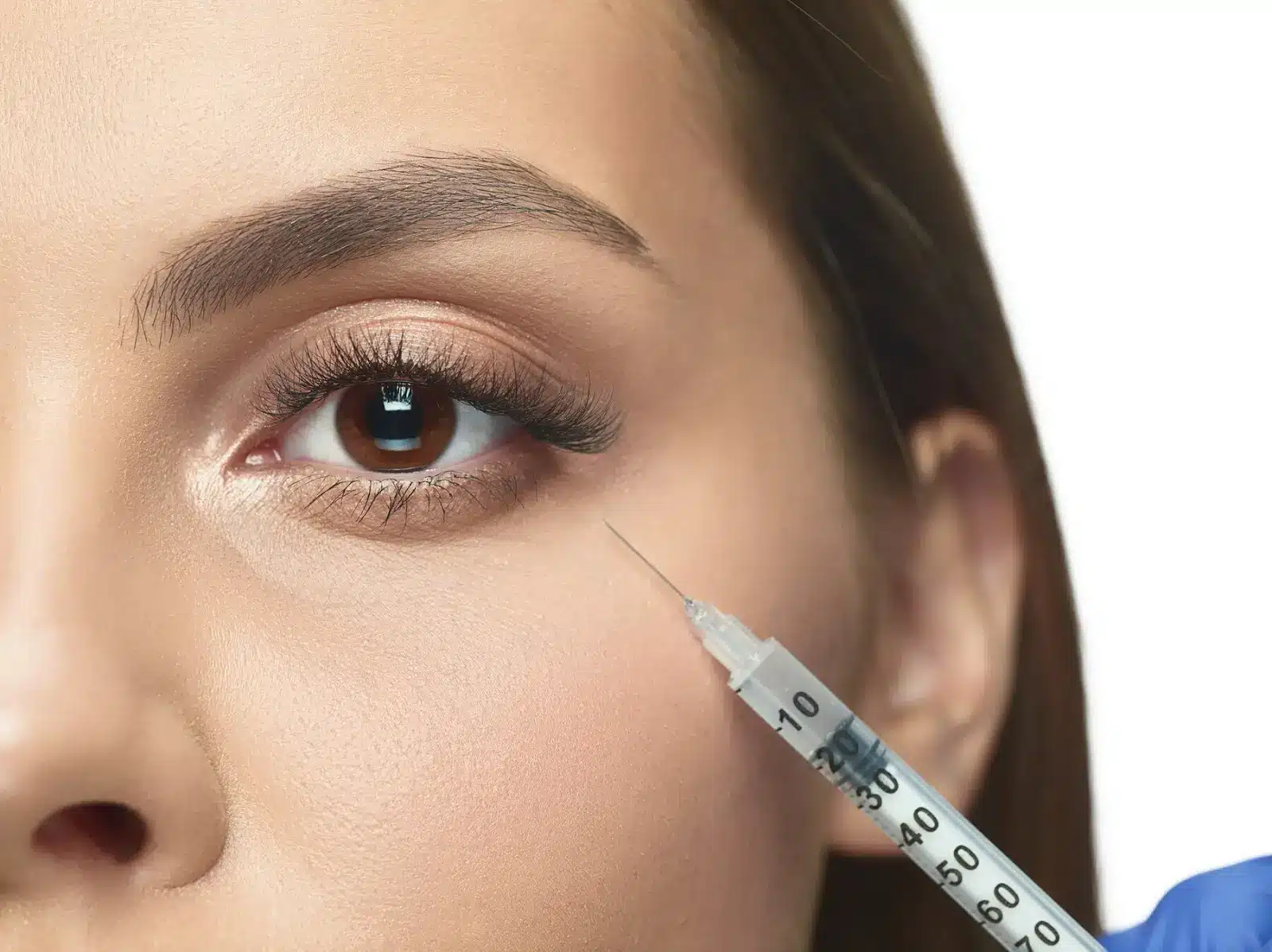
Not all patients experience complete fluid resolution after receiving Eylea injections. Persistent fluid in the macula can occur for various reasons, influencing the overall effectiveness of treatment. Individual biological differences or underlying eye conditions may affect how a patient’s eye responds. Additionally, some patients may develop complications related to the treatment’s side effects, which can sometimes further limit treatment success in managing wet macular degeneration.
- Inadequate Response to Treatment: Some patients do not respond to Eylea due to biological differences. In such cases, alternative anti-VEGF treatments may be more effective.
- Suboptimal Treatment Frequency: Eylea injections are typically administered every 4–8 weeks, but some patients require a more frequent dosing schedule to control fluid retention.
- Advanced Disease Progression: Severe wet AMD may involve extensive retinal damage and scarring, limiting Eylea’s effectiveness in completely drying the macula.
- Concurrent Eye Conditions: Diabetic macular edema (DME) or retinal vein occlusion (RVO) can contribute to ongoing fluid retention despite anti-VEGF treatment.
- Delayed Response to Treatment: Some patients take longer to respond to Eylea, requiring multiple injections before noticeable improvement occurs. Regular monitoring is essential to track progress.
Some patients require continued treatment or adjustments to their injection schedule before fluid is adequately controlled. For clinics managing these ongoing treatment needs, reliable medication access is also important. Licensed practices that buy Eylea online should source the product from a reputable medical supplier that can verify authenticity and appropriate handling.
Diagnostic Approaches for Non-Responders
If fluid persists after Eylea injections, ophthalmologists use various diagnostic methods to evaluate the cause:
- Optical Coherence Tomography (OCT): Detects retinal thickness, fluid levels, and treatment response.
- Fluorescein Angiography: Identifies active leaking blood vessels.
- Indocyanine Green Angiography (ICGA): Helps assess choroidal abnormalities that may affect treatment.
These tests guide decisions on adjusting treatment plans or switching to an alternative therapy.
Alternative Treatment Strategies

For patients who don’t fully respond to Eylea, switching to an alternative anti-VEGF medication can often provide better control of persistent fluid. For instance, Lucentis (ranibizumab) has a unique molecular structure that might improve outcomes in certain cases. Another option, Beovu (brolucizumab), may offer longer-lasting benefits, allowing patients to extend intervals between injections. Considering these alternative anti-VEGF therapies enables a more personalized approach to managing persistent macular fluid.
Before changing therapy, clinicians should also distinguish an incomplete treatment response from treatment-related complications. Reviewing Eylea side effects alongside the patient’s retinal findings can help provide context when deciding whether continued treatment, closer monitoring, or an alternative approach is appropriate.
In cases involving chronic inflammation, steroid injections can help manage fluid accumulation effectively. A sustained-release dexamethasone implant reduces inflammation over an extended period, aiding fluid absorption within the retina. This strategy is particularly beneficial for patients with coexisting conditions, such as diabetic macular edema (DME) or retinal vein occlusion (RVO), where inflammation significantly contributes to ongoing fluid retention.
Some ophthalmologists also adopt combination therapy for enhanced results. Pairing Eylea injections with laser therapy can effectively address persistent fluid, especially in challenging cases. Laser treatment helps seal leaking blood vessels, while anti-VEGF injections prevent further abnormal vessel growth, providing improved and sustained visual outcomes.
Additionally, ongoing research explores novel treatments for better fluid control in wet AMD. Emerging approaches like gene therapy aim to provide long-term suppression of VEGF activity through a single treatment, potentially reducing the need for frequent injections.
New-generation anti-VEGF medications are also in clinical trials, targeting alternative biological pathways for enhanced effectiveness. These advancements offer promising alternatives and renewed hope for patients who continue to struggle with persistent macular fluid despite standard therapies.
Case Studies and Clinical Experiences
Eylea as a Rescue Therapy for Nonresponsive Wet AMD
A study investigated the effectiveness of Eylea in patients with wet AMD who did not respond to Lucentis or Avastin. Among 60 treated eyes, 25% achieved complete CNV resolution within three months. Additionally, 46.7% showed improved acuity, while 30% experienced a decline. Findings suggest Eylea may be a viable alternative for nonresponsive cases, particularly within the initial treatment phase.[2]
NHS Adoption of Biosimilar Ranibizumab
The Getting It Right First Time (GIRFT) program supports NHS trusts in switching from Lucentis® to biosimilar ranibizumab, potentially saving £45 million annually. Currently, 19% of trusts have fully transitioned, while 30% use biosimilars partially. Case studies from Maidstone and Rotherham NHS Trusts highlight successful implementation. Wider adoption could fund over 58,000 cataract procedures, enhancing cost-effective ophthalmic care.[3]
Conclusion
For patients asking, “Why is wet macular still wet after taking Eylea injection?”, persistent fluid does not necessarily mean the treatment has failed. Individual response, disease severity, treatment timing, and concurrent eye conditions can all affect how completely the macula dries after therapy. Utilizing appropriate diagnostic tools helps ophthalmologists pinpoint these factors and select the most effective management strategy.
Exploring alternative therapies, such as switching to other anti-VEGF agents or introducing steroid treatments, may offer improved results for patients experiencing incomplete fluid resolution. Ultimately, personalized treatment plans combined with regular monitoring ensure the best possible outcomes in preserving vision and managing wet AMD.
FAQs
1. How long does it take for Eylea to work?
Most patients see improvement after one to three injections, but full benefits may take several months. Some individuals need six or more injections before noticeable fluid reduction.
2. Can I switch to another treatment if Eylea doesn’t work?
Yes. If Eylea is ineffective, ophthalmologists may switch to Lucentis, Beovu, or Avastin. Each works differently and may provide better results.
3. Why is wet macular still wet after taking Eylea injection?
Persistent fluid can be due to disease severity, an inadequate treatment schedule, or concurrent eye conditions. Diagnostic tests help determine the cause.
4. What should I do if my vision worsens despite Eylea injections?
Consult your ophthalmologist immediately. A treatment adjustment or alternative therapy may be needed to stabilize your vision.
Citations
[1] Schmidt-Erfurth, Ursula et al. “Intravitreal aflibercept injection for neovascular age-related macular degeneration: ninety-six-week results of the VIEW studies.” Ophthalmology vol. 121,1 (2014): 193-201. doi:10.1016/j.ophtha.2013.08.011
[2] Guidry, Benjamin, and Ching Chen. “Eylea Rescue Therapy in Eyes with Proven Non-Response to Other Anti-VEGF Molecules.” Investigative Ophthalmology & Visual Science, vol. 54, June 2013, p. 3805.
[3] “Guidance Offers Best Practice and Advice for Adopting Biosimilar Ranibizumab.” Getting It Right First Time (GIRFT), 2 Nov. 2023, gettingitrightfirsttime.co.uk/guidance-offers-best-practice-and-advice-for-adopting-biosimilar-ranibizumab/.
The content on this page has been written and fact-checked in accordance with our Editorial Policy. Clinical claims are sourced from peer-reviewed literature, regulatory documentation, and manufacturer specifications. Where citations are provided, it is always in accordance to our editorial standards.