Your Cart is Empty
Start shopping

As the field of aesthetic medicine continues to evolve, comparative studies are playing an increasingly important role in guiding clinical decisions. In particular, the growing number of botulinum toxin formulations on the market has sparked important discussions about their differences in formulation, diffusion, and potency—factors that can significantly influence both patient outcomes and practitioner preferences.
Among the most noteworthy options are Botulax and Innotox, both designed to smooth dynamic wrinkles but differing in key aspects such as formulation, presentation, and storage requirements. With more products entering the marketplace, understanding the unique characteristics of each option is crucial for providers seeking to deliver precise and effective treatments.
In this article, we will explore a thorough comparison of Botulax and Innotox, examining their formulation, efficacy, safety, injection experience, and patient satisfaction.
Key Takeaways
- Botulax, manufactured by Hugel Inc., is a lyophilized powder that requires reconstitution, offering flexibility for experienced injectors but with potential risks of variability and contamination.
- Innotox, developed by Medytox, is the first pre-diluted liquid botulinum toxin, offering convenience and consistent dosing with a lower risk of preparation errors, making it ideal for high-volume or new injectors.
- Botulax requires careful reconstitution and refrigeration, while Innotox offers stable storage conditions and does not require dilution, making it easier to handle and reducing preparation time.
- Innotox typically shows a faster onset of action (24-48 hours) compared to Botulax, which takes 3-7 days, offering more rapid results for patients.
- Botulax generally lasts between 3 and 6 months, while Innotox has a longer duration of up to 8-10 months, potentially offering better value for repeat patients.
- The dosing units for Botulax and Innotox are not interchangeable; Botulax allows for customization, while Innotox has a fixed dosing format that ensures consistency.
- Both toxins have similar mild side effects, such as redness or swelling, with Innotox’s albumin-free formula potentially offering a lower risk of allergic reactions.
About: Doctor Medica is your trusted supplier of top-quality dermal fillers, viscosupplements, and a range of medical and aesthetic products for your practice. We offer authentic products from leading brands at the lowest prices. Contact Doctor Medica today!
Recommended products
Considering a Purchase?
Sign in to Explore Options.
Botulax vs Innotox: Origins and Manufacturers

Botulax, developed by Hugel Inc., entered the South Korean market in 2010 and has since expanded into markets across Asia, Latin America, and Europe. It comes as a powder that requires reconstitution before injection, following the more traditional botulinum toxin format.
Innotox, introduced by Medytox in 2014, differs through its pre-mixed liquid formulation, which removes the reconstitution step and can simplify preparation. It also does not contain human serum albumin. For practitioners who purchase Innotox online, this ready-to-use format is one of its main practical distinctions.
Both products are authorized by South Korea’s Ministry of Food and Drug Safety and have continued expanding internationally. Botulax gained regulatory clearance in the United Arab Emirates in 2025, while Innotox has also reached markets in Latin America, Europe, and the Middle East.
Formulation Differences: Botulax Powder vs Innotox Liquid
The formulation of Botulax and Innotox is a critical factor influencing their choice for different aesthetic applications. Though both are botulinum toxin type A products, their physical states—powder vs liquid—lead to distinct differences in storage, preparation, and clinical outcomes. Below is a detailed comparison of their respective formulations [1]:
| Feature | Botulax (Powder) | Innotox (Liquid) |
| Formulation Type | Lyophilized powder that must be reconstituted with 0.9% saline | Pre-diluted sterile liquid, ready to inject from a single-use vial |
| Preparation | Requires manual mixing, allowing dose customization | No dilution required—minimizes preparation error and ensures consistent dosing |
| Sterility Control | Risk of contamination during mixing and handling | Maintains sterility from factory to clinic due to sealed liquid format |
| Storage Requirements | Store in freezer or refrigerator before use; sensitive to temperature changes | Requires refrigeration at 2–8 °C but has more stable handling characteristics |
| Dosing Precision | Customizable dilution offers flexibility, but can introduce human error | Fixed concentration standardizes treatment, ideal for consistent dosing outcomes |
While Botulax offers flexibility for experienced injectors who prefer to customize dilution, it carries risks of variability and contamination. In contrast, Innotox’s pre-diluted liquid format ensures reliability, making it especially convenient for newer injectors or busy practices with a high patient volume.
Clinical Performance: Onset, Diffusion, Duration, and Dosing
Botulax and Innotox not only differ in formulation but also in their clinical performance, which is a major factor in a practitioner’s choice of toxin. These two formulations show differences in onset of action, diffusion, duration of effect, and dosing precision, all of which directly impact patient satisfaction and treatment outcomes [2].
Diffusion and Spread
- Innotox: Its pre-diluted liquid formula has a lower diffusion coefficient (~0.23 cm²/day), resulting in a more localized spread of the toxin. This is particularly advantageous for areas like the glabella or crow’s feet, where precision is paramount.
- Botulax: Since it is a powder that needs reconstitution, it may experience slight variations in diffusion based on the reconstitution process. This may impact the toxin’s spread and the final aesthetic results.
Onset of Action
- Innotox: Starts showing visible effects within 24 to 48 hours post-injection, which is ideal for patients seeking quicker results.
- Botulax: Generally requires between 3 and 7 days for noticeable results, aligning with timelines observed with traditional botulinum toxins, such as Botox.
Duration of Effect
- Innotox: May offer a longer duration of effect—up to 8 to 10 months—providing potentially greater value for patients seeking longer-lasting results with fewer treatments.
- Botulax: Provides results lasting between 3 and 6 months, although this can vary based on individual patient factors, such as metabolism and dosage.
Dosing and Units
- Innotox: Pre-diluted at four units per 0.1 mL, making it essential to adhere to product-specific guidelines for accurate dosing.
- Botulax: Allows for dilution customization based on practitioner preference.
Safety, Side Effects, and Patient Outcomes
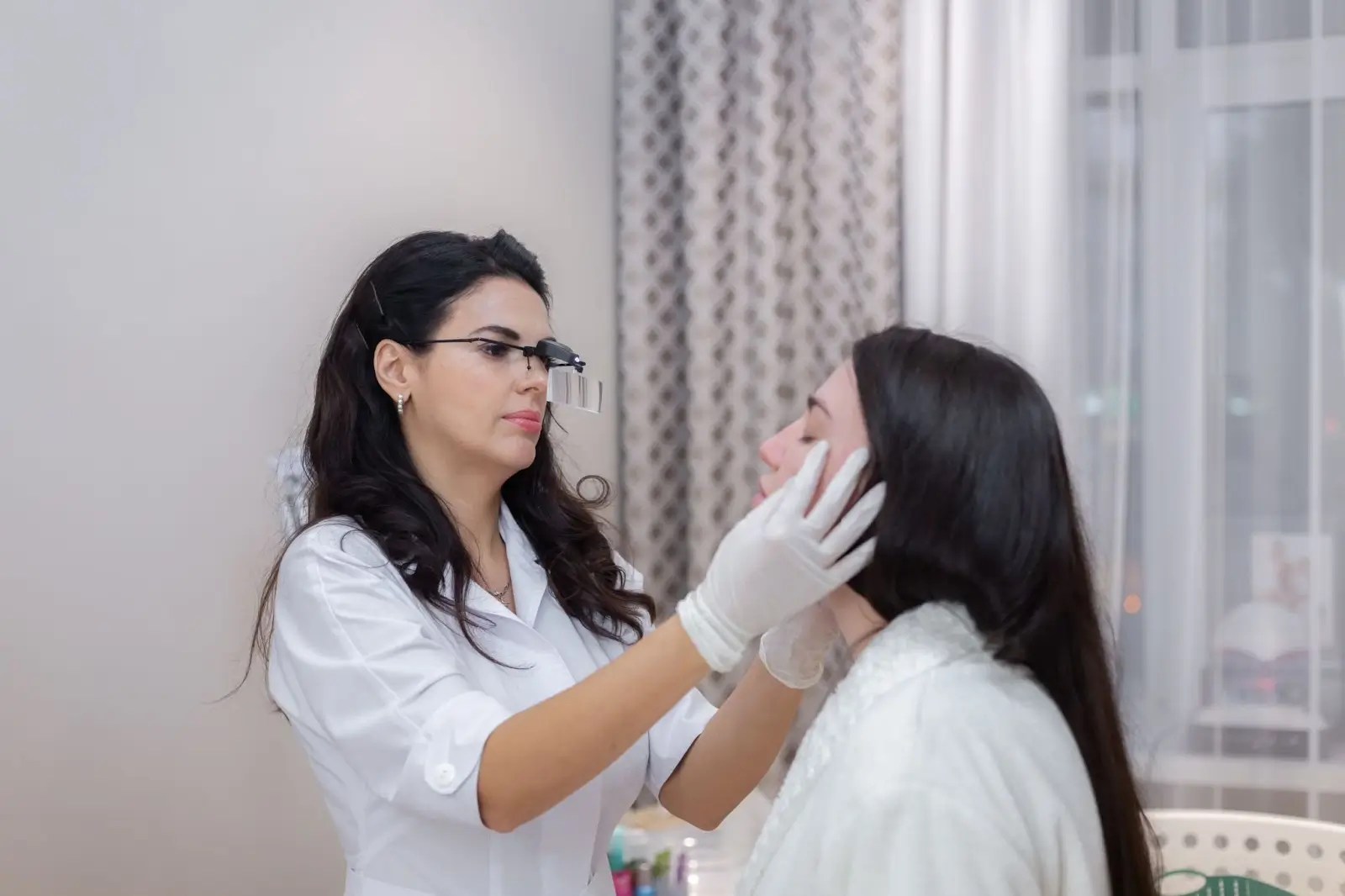
Both Botulax and Innotox are generally well-tolerated by patients, with side effects limited to mild, local reactions such as redness, swelling, or tenderness at the injection site. These side effects are typically temporary and resolve within a few hours to a few days.
In terms of immunogenicity, Innotox’s albumin-free formula is designed to reduce the likelihood of allergic reactions. At the same time, Botulax may occasionally include animal-derived proteins, depending on the batch and formulation.
Patient satisfaction is closely tied to consistency. Since Botulax requires manual reconstitution, variations in preparation can affect dosing and treatment outcomes. Innotox toxin’s manufacturer, Medytox, avoids that extra step with its ready-to-use liquid format, which can support more consistent preparation in busy clinical settings. Botulax, however, remains valued for its flexibility and longer-established clinical use.
Conclusion
Choosing between Botulax and Innotox hinges on the needs of the practitioner and patient. Botulax offers flexibility, making it an excellent option for experienced injectors who are comfortable customizing doses and dilutions. However, its potential for variability and risk of contamination must be taken into consideration.
On the other hand, Innotox offers precision and convenience with its pre-diluted liquid formula, making it ideal for high-volume clinics, new injectors, or practices prioritizing consistent dosing and rapid onset.
Both options are effective, but the best choice depends on the practitioner’s experience, patient expectations, and the specific practice needs.
FAQs
1. Are Botulax and Innotox interchangeable in dosing?
No—each has unique concentration and potency. Do not assume a 1:1 conversion.
2. Which acts faster, Botox or Innotox?
Innotox often shows effects within 24–48 hours; Botulax typically requires 3–7 days.
3. Can I dilute Innotox?
No—Innotox is pre-mixed to a fixed concentration. Diluting will affect efficacy and diffusion.
4. Which is safer?
Both are safe when used correctly. Innotox may have a lower allergic risk, while Botulax offers reliable versatility.
Citations
[1] Carr, Warner W., Neha Jain, and John W. Sublett. “Immunogenicity of Botulinum Toxin Formulations: Potential Therapeutic Implications.” Advances in Therapy, vol. 38, no. 10, 2021, pp. 5046–5064. https://doi.org/10.1007/s12325-021-01882-9.
[2] Shim, Doo Hee, et al. “Development of Botulinum Toxin A-Coated Microneedles for Treating Palmar Hyperhidrosis.” Molecular Pharmaceutics, vol. 16, no. 12, 2019, pp. 4913–4919. https://doi.org/10.1021/acs.molpharmaceut.9b00794.
The content on this page has been written and fact-checked in accordance with our Editorial Policy. Clinical claims are sourced from peer-reviewed literature, regulatory documentation, and manufacturer specifications. Where citations are provided, it is always in accordance to our editorial standards.