Your Cart is Empty
Start shopping

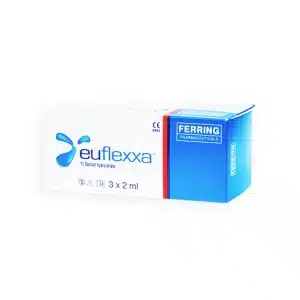
Osteoarthritis is a leading cause of knee pain and can significantly affect mobility and everyday activities. Euflexxa is a non-avian sodium hyaluronate injection used to manage osteoarthritis pain by supplementing the fluid that lubricates and cushions the knee joint. Understanding Euflexxa side effects is an important part of treatment planning, as most reactions are mild and localized, while less common complications may require prompt medical attention.
Common reactions include pain, swelling, stiffness, or discomfort around the treated knee. These symptoms typically appear soon after the injection and often improve within several days.
This article reviews common and uncommon reactions associated with Euflexxa, their typical severity and duration, and practical approaches to monitoring and management.
Key Takeaways
- Most side effects from Euflexxa are mild and include pain, swelling, redness, bruising, and stiffness at the injection site. These typically resolve within a few days without the need for medical intervention.
- Headaches, muscle pain, back pain, and general malaise can occur, though they are less common. These symptoms generally improve within a few days.
- Serious reactions like severe joint inflammation, allergic reactions, and pseudo-sepsis are rare but require immediate medical attention.
- Individuals with severe osteoarthritis, a history of joint infections, or autoimmune conditions may be more prone to side effects and require closer monitoring.
- Cold compresses, over-the-counter pain relievers, and rest can help manage mild side effects. Patients should avoid high-impact activities after treatment and follow their aftercare instructions to optimize results.
- Open communication between patients and healthcare providers is essential for promptly addressing any adverse reactions and ensuring optimal treatment outcomes.
About: Doctor Medica is your trusted supplier of top-quality dermal fillers, viscosupplements, and a range of medical and aesthetic products for your practice. We offer authentic products from leading brands at the lowest prices. Contact Doctor Medica today!
Recommended products

Local Euflexxa Side Effects

Adverse events associated with hyaluronic acid viscosupplementation are generally mild, local, and transient.[3] Reported reactions include injection-site pain, local skin reactions, joint pain or swelling, and, less commonly, pseudoseptic reactions or septic arthritis.
For clinics, preparation extends beyond the injection itself and includes coordinating the full three-injection series to ensure consistent treatment intervals. When they buy Euflexxa online, having a reliable supply on hand helps maintain scheduling continuity and reduces delays between doses in the treatment protocol.
Injection-site reactions are not uncommon but are generally not severe.
Common Local Reactions
- Pain at the Injection Site: Patients may feel a mild aching or soreness is commonly felt, especially within the first 24 hours following the injection. This discomfort is generally localized and temporary, often managed with rest or cold compresses.
- Swelling or Joint Effusion: Patients may notice visible swelling or a feeling of fullness in the knee due to temporary fluid accumulation in the joint. This usually resolves within a few days, with no significant harm.
- Warmth or Redness: Mild warmth or redness at the injection site can occur as part of the body’s inflammatory response. These symptoms typically subside as inflammation reduces.
- Bruising: There may also be light bruising near the injection site, particularly if the injection punctures a small blood vessel. It is generally minor, painless, and fades naturally over the course of several days.
- Stiffness: Some patients may experience a feeling of tightness or stiffness in the knee. Light stretching, walking, or range-of-motion exercises can help improve this condition after adequate rest.
These effects are usually manageable with rest, cold compresses, and avoiding strenuous activity for 24 to 48 hours post-treatment. Most patients find that their discomfort improves quickly and does not interfere significantly with daily activities.
Systemic and Musculoskeletal Effects

While rare, some systemic or musculoskeletal symptoms can occur after Euflexxa injections. These reactions, though not typically severe, can be uncomfortable or concerning if they arise unexpectedly.
Reported Systemic or Musculoskeletal Side Effects
In clinical studies, the most commonly reported adverse events associated with Euflexxa included joint pain, back pain, limb pain, muscle pain, and joint swelling.[4]
- Headache or Fatigue: These are uncommon but may be experienced by some patients following the injection. They are typically mild and often related to the body’s temporary inflammatory response to the hyaluronic acid injection.
- Muscle Pain or Cramping: Discomfort in surrounding muscles, particularly in the thighs or calves, can occur, especially after physical activity or physical therapy. This typically resolves with light stretching or rest.
- Back Pain: A small number of patients report mild lower back pain after the injection. This may be related to changes in posture or movement as the body adjusts to improved knee function.
- General Malaise: Some individuals may describe feeling unwell or mildly fatigued within the first 24 to 48 hours post-injection. This feeling generally resolves without intervention.
These reactions typically improve within a few days and may not require medical treatment unless they persist or worsen. Most individuals find that these symptoms are transient and not a cause for concern.
Allergic and Serious Safety Events
While serious side effects are rare, they should still be taken seriously. Any signs of an allergic reaction or infection following Euflexxa treatment require immediate medical attention. Though Euflexxa is derived from purified bacterial fermentation (not avian sources), allergic responses can still occur in sensitive individuals.[1]
Serious Reactions
- Severe Joint Inflammation or Infection: Symptoms may include high fever, intense swelling, and sharp pain. If any of these occur, it’s essential to contact a healthcare provider immediately.
- Allergic Reaction: This includes rash, itching, swelling of the face or tongue, or difficulty breathing.
- Pseudo-sepsis: A severe inflammatory reaction resembling septic arthritis has been reported following viscosupplementation.[3]
- Prolonged or Worsening Joint Pain: This could indicate an underlying issue or improper injection technique. It should be promptly addressed.
In rare cases, if these severe side effects occur, treatment should be discontinued, and medical professionals should be consulted for further evaluation.
Risk Factors and Patient Profile
Certain individuals are more prone to experiencing Euflexxa side effects due to pre-existing conditions or lifestyle factors.[2] Understanding who may be at higher risk helps clinicians provide effective care and manage expectations.
Higher Risk Patients
- Severe Osteoarthritis: Patients with severe osteoarthritis may not respond well to viscosupplementation therapies like Euflexxa. If the cartilage loss is too extensive, hyaluronic acid may not provide sufficient cushioning, potentially increasing the risk of local side effects like stiffness or inflammation.
- History of Joint Infections: Those with a history of joint infections, such as septic arthritis, are at greater risk of complications, as the injection could trigger an inflammatory response or reactivate dormant bacteria.
- Autoimmune Conditions: Conditions like lupus or rheumatoid arthritis may increase the risk of immune responses to injectable therapies. Even though Euflexxa’s generic name, sodium hyaluronate, is highly purified, autoimmune patients may still experience joint swelling, fatigue, or systemic symptoms.
- Strenuous Physical Activity: Patients who resume high-impact exercises too soon after receiving Euflexxa injections may aggravate the treated joint, leading to increased pain or swelling. It’s recommended to avoid such activities for at least 24 to 48 hours after the procedure.
Although rare, allergic reactions to hyaluronic acid-based products do occur. Patients with known sensitivity to sodium hyaluronate or components derived from bacterial fermentation should be screened before the injection to avoid potential adverse effects.
Management Strategies for Adverse Reactions
Managing mild to moderate Euflexxa side effects often involves simple supportive care. Most symptoms resolve without intervention, but early management can prevent escalation and improve patient comfort.
Best Practices for Side Effect Management
- Apply cold compresses to reduce swelling and pain at the injection site.[4]
- Over-the-counter pain relievers, like acetaminophen, can help alleviate any discomfort.
- Patients are advised to avoid major physical activity for 48 hours after an Euflexxa injection, including jogging, tennis, heavy lifting, or prolonged standing.[4]
- Gentle stretching or range-of-motion exercises can help ease stiffness.
- Monitor for signs of infection or allergic reactions, and contact your provider if symptoms worsen.
Clear communication between patients and providers ensures that any unexpected symptoms are addressed promptly.
Conclusion
While Euflexxa side effects are typically mild and temporary, being informed about potential reactions helps patients feel more confident in their treatment. Understanding the full spectrum of side effects ensures better preparation and monitoring throughout the process.
When administered correctly and with consideration of patient-specific risks, Euflexxa remains a safe and effective option for managing knee osteoarthritis. Patients should report any new symptoms and follow post-injection instructions to minimize side effects and maximize the benefits of their treatment.
FAQs
1. How long do Euflexxa side effects last?
Most mild side effects, such as soreness or swelling, typically resolve within 24 to 72 hours. If symptoms persist longer than a week or worsen, consult your healthcare provider.
2. Can I exercise after an Euflexxa injection?
It’s best to rest the knee for at least 24 hours after the injection. Light activity can resume as tolerated, but high-impact or strenuous exercise should be avoided until approved by your doctor.
3. Is an allergic reaction to Euflexxa common?
No, allergic reactions are rare, especially since Euflexxa is non-animal-based. However, if you notice symptoms such as a rash, itching, or difficulty breathing, seek immediate medical attention.
4. How is Euflexxa administered?
Euflexxa is given as a series of three 2 mL intra-articular injections into the knee, each spaced one week apart, by a qualified healthcare professional.
Citations
[1] Altman, Roy D et al. “A double-blind, randomized, saline-controlled study of the efficacy and safety of EUFLEXXA for treatment of painful osteoarthritis of the knee, with an open-label safety extension (the FLEXX trial).” Seminars in arthritis and rheumatism vol. 39,1 (2009): 1-9. doi:10.1016/j.semarthrit.2009.04.001
[2] Webner, David et al. “Intraarticular Hyaluronic Acid Preparations for Knee Osteoarthritis: Are Some Better Than Others?.” Cartilage vol. 13,1_suppl (2021): 1619S-1636S. doi:10.1177/19476035211017320
[3] Peck, Jacquelin et al. “A Comprehensive Review of Viscosupplementation in Osteoarthritis of the Knee.” Orthopedic reviews vol. 13,2 25549. 10 Jul. 2021, doi:10.52965/001c.25549
[4] Ferring Pharmaceuticals Inc. EUFLEXXA Frequently Asked Questions. Dec. 2019, euflexxadev.wpengine.com/wp-content/uploads/2019/12/US-EU-1900050_EUFLEXXA-Patient-FAQ-Update_FINAL.pdf.
The content on this page has been written and fact-checked in accordance with our Editorial Policy. Clinical claims are sourced from peer-reviewed literature, regulatory documentation, and manufacturer specifications. Where citations are provided, it is always in accordance to our editorial standards.