Your Cart is Empty
Start shopping

Collagen and elastin are structural proteins that contribute to skin firmness and elasticity. As people age, their production gradually declines, while factors such as cumulative sun exposure and genetics can contribute to changes in skin quality and volume. Around the eyes, these changes may contribute to hollowing, shadows, and a tired appearance.
Ellanse is a collagen-stimulating injectable containing polycaprolactone (PCL) microspheres suspended in a carboxymethylcellulose (CMC) gel carrier. Unlike hyaluronic acid (HA) fillers, which primarily provide volume through a gel that can be degraded with hyaluronidase, PCL-based fillers are designed to provide initial structural correction while supporting a gradual tissue-remodeling response.
Because the infraorbital region contains important vessels, nerves, and delicate anatomical structures, the use of any injectable in this area requires careful patient selection and appropriate anatomical expertise. This article explores the science behind Ellanse, its potential applications, treatment considerations, and the factors practitioners should evaluate when considering an Ellanse under eye treatment.
Key Takeaways
- Ellanse is a PCL-based injectable that combines an initial volumizing effect with a longer-term collagen-stimulating response.
- Ellanse under eye treatment requires careful anatomical assessment because the infraorbital region is particularly sensitive to filler-related complications.
- Treatment involves consultation, individualized injection planning, and appropriate post-treatment monitoring.
- Results and duration can vary according to the formulation used, treatment area, technique, and individual patient factors.
- Practitioners should receive appropriate training before incorporating PCL-based fillers into their aesthetic practice.
About: Doctor Medica is your trusted supplier of top-quality dermal fillers, viscosupplements, and more for your medical practice. We offer genuine products from leading brands at the lowest prices in the market.
What is Ellanse and How Does it Work?
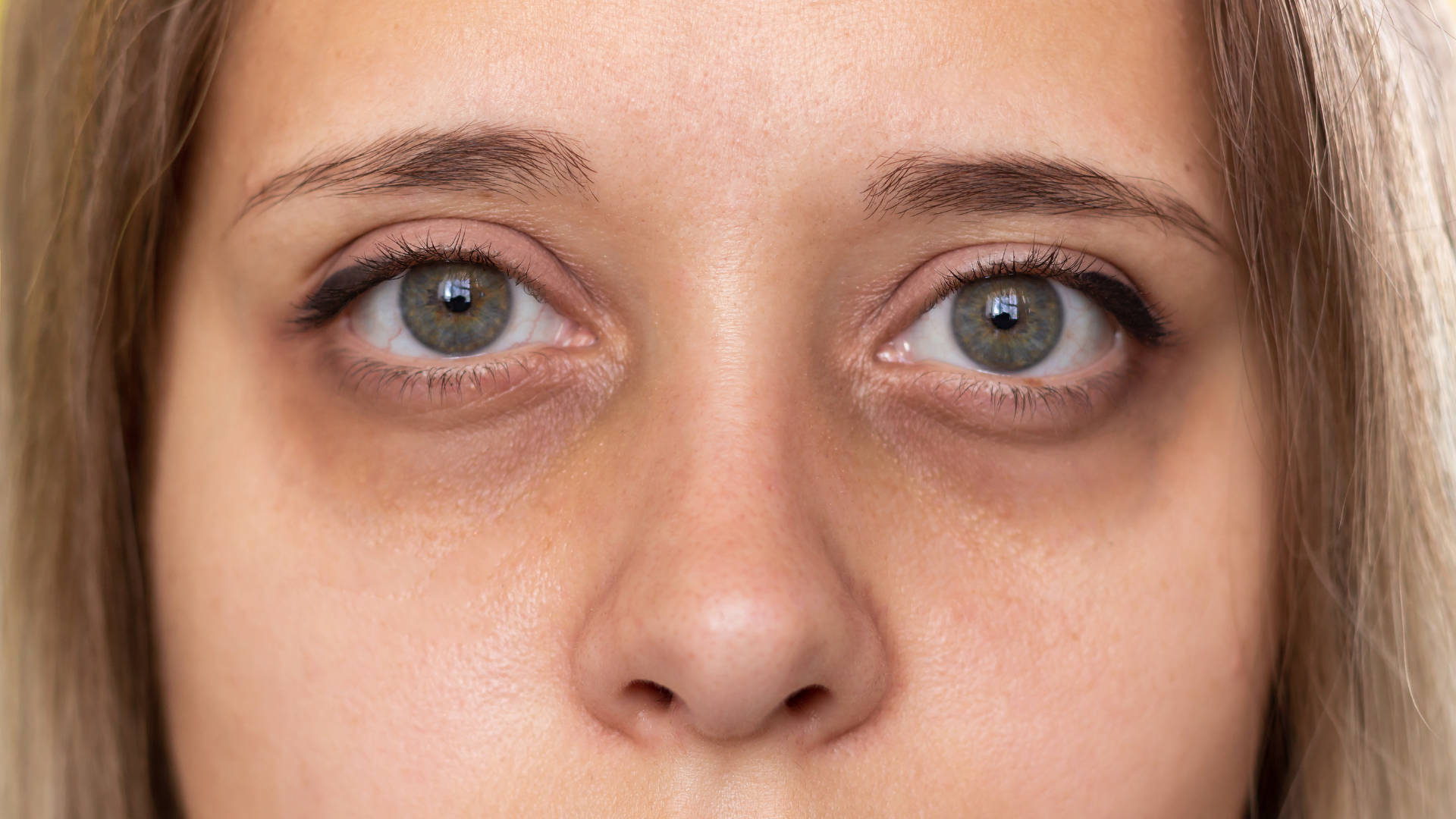
Ellanse is a collagen-stimulating injectable based on PCL microspheres suspended in a CMC gel carrier. According to published descriptions of the formulation, the product consists of approximately 30% PCL microspheres and 70% CMC carrier. [1]
The CMC gel provides the initial volumizing effect, while the PCL component is intended to support a gradual collagen response. Over time, the microspheres undergo degradation, while the surrounding tissue remodeling process may contribute to longer-lasting changes in volume and skin structure.
This mechanism differs from conventional HA fillers. HA fillers rely primarily on cross-linked HA gel to restore or augment volume, whereas PCL-based products combine an initial carrier-gel effect with a collagen-stimulating component.
Although PCL fillers have been used for facial rejuvenation, the Ellanse under eye approach requires particular caution. The infraorbital area has thin soft tissue and a complex vascular anatomy, and evidence for a particular filler should not automatically be generalized from studies involving other facial regions.
The duration of visible correction also varies. Published research on PCL fillers has reported sustained aesthetic improvement over extended follow-up periods, but this does not mean every patient will experience the same duration or that a specific result is guaranteed. [1]
Practitioners can buy Ellanse online and consider its use in facial contouring, particularly when practitioners are seeking an injectable that combines volumizing effects with collagen stimulation.
Treatment Procedure for Under Eye Hollows and Dark Circles
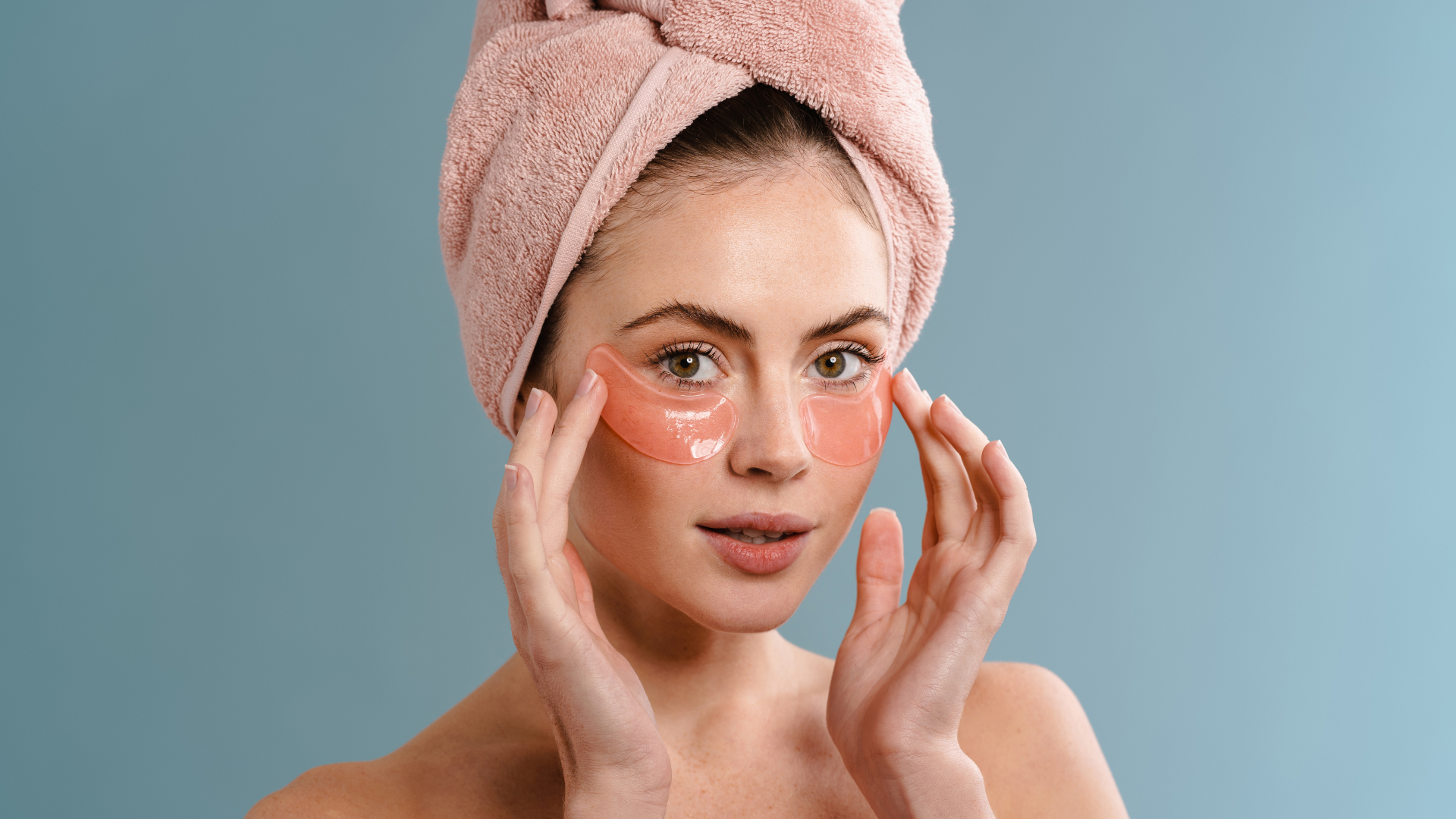
Thorough consultation and assessment are essential before considering treatment for infraorbital hollowing or dark circles. [2] During the initial consultation, the medical professional should evaluate the patient’s concerns, medical history, skin quality, degree of volume loss, and aesthetic goals.
Under-eye discoloration does not always result from volume loss. Pigmentation, visible vasculature, skin laxity, tear-trough anatomy, and shadowing can all contribute to dark circles. Consequently, adding volume may not address every cause of infraorbital darkness.
Injection Technique and Treatment Process
The Ellanse treatment process begins with applying a topical anesthetic to minimize discomfort. Once the area is numbed, the practitioner uses a fine needle or cannula to inject Ellanse into the under-eye hollows. The injection technique is crucial for achieving natural-looking results and involves careful filler placement to ensure even distribution and optimal volume restoration.
The procedure typically takes about 30 minutes to an hour, depending on the extent of the treatment.
Posttreatment Care and Recovery
Posttreatment care ensures the best possible outcomes and minimizes side effects. Patients are advised to perform the following:
- Avoid touching or rubbing the treated area for at least six hours after the procedure to reduce the risk of infection and allow the filler to settle properly.
- Patients should also avoid strenuous activities, extreme temperatures, and excessive sun exposure for a few days.
- Applying a cold compress can help reduce any swelling or discomfort.
Most patients can return to normal activities shortly after treatment, with full recovery typically within a week.
Patient Selection Criteria for Ellanse Under Eye Treatment
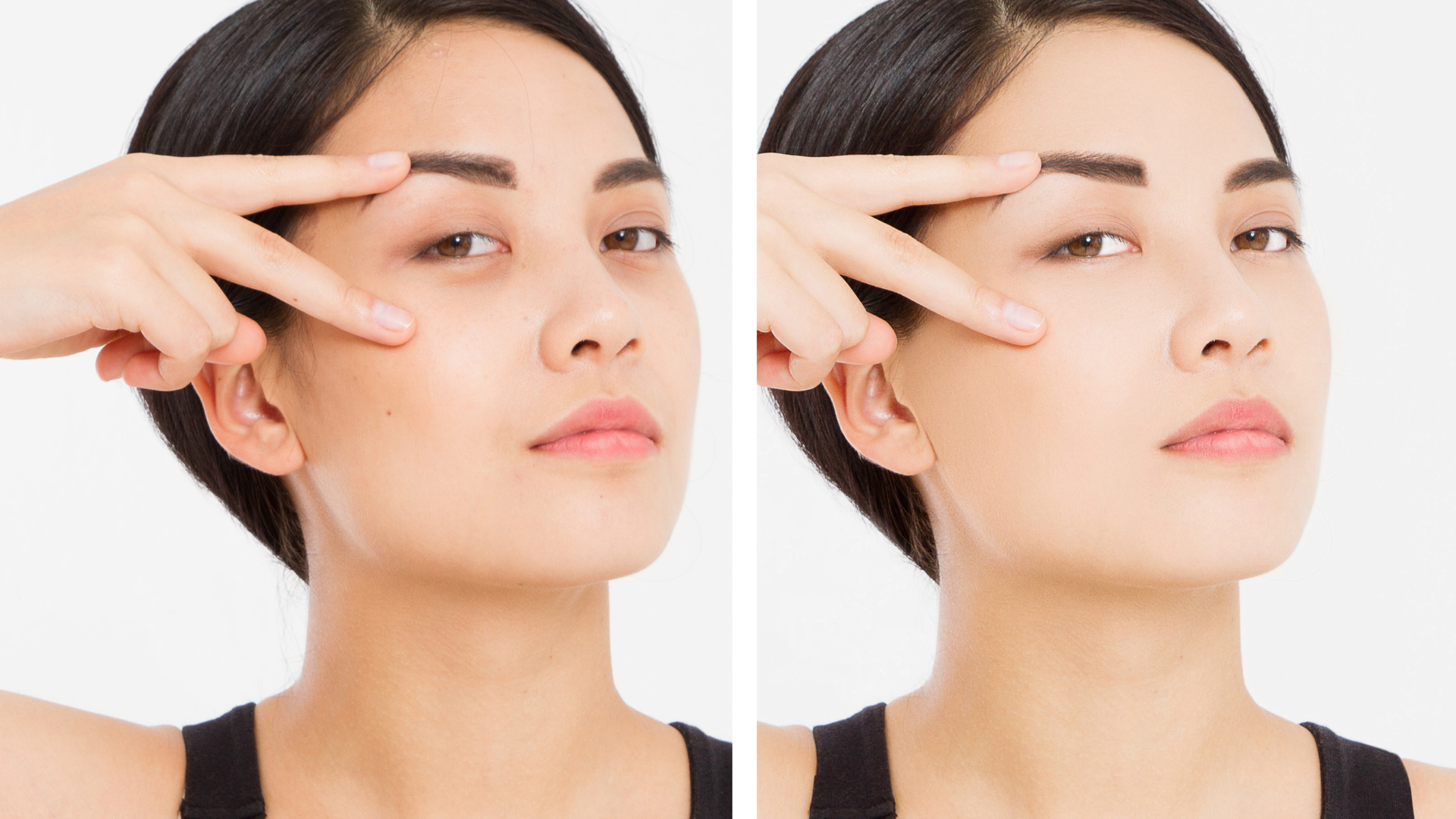
Candidates for Ellanse under eye treatment should be evaluated individually rather than selected solely because they have visible hollows. Patients with structural volume loss may be candidates for an injectable approach, but the clinician must first determine whether the product and treatment plane are appropriate for the anatomy.
Patients should have realistic expectations and understand that treatment may improve contour without completely eliminating dark circles. Those whose primary concern is pigmentation or skin laxity may require a different treatment strategy.
The clinician should also consider previous filler treatments, existing asymmetry, skin thickness, orbital anatomy, and the patient’s history of reactions to injectable products.
Contraindications and Considerations
Before proceeding with Ellanse treatment, specific contraindications and considerations must be considered. Individuals with a history of severe allergies, particularly to any of the components of Ellanse, should avoid this treatment. Patients with active skin infections, inflammation, or untreated skin conditions in the treatment area are also unsuitable candidates.
Additionally, those with autoimmune diseases or compromised immune systems should consult their healthcare provider to determine if Ellanse is appropriate. During the consultation, disclosing any medical history, including previous treatments and medications, is essential.
Managing Patient Expectations
Managing expectations is especially important when considering Ellanse under eye treatment. Practitioners should explain that initial correction and subsequent tissue remodeling occur on different timelines and that the eventual appearance may change as post-injection swelling resolves.
Patients should also understand that PCL-based fillers do not have the same reversal mechanism as HA fillers. Hyaluronidase can degrade HA fillers, but it does not dissolve PCL microspheres in the same manner. This makes appropriate product selection, anatomical knowledge, conservative treatment, and complication preparedness particularly important.
When discussing alternatives such as Ellanse vs Radiesse, clinicians should compare the specific formulations, indications, anatomical applications, clinical evidence, and patient-specific considerations rather than assuming that all collagen-stimulating fillers perform identically.
Expected Outcomes and Results with Ellanse
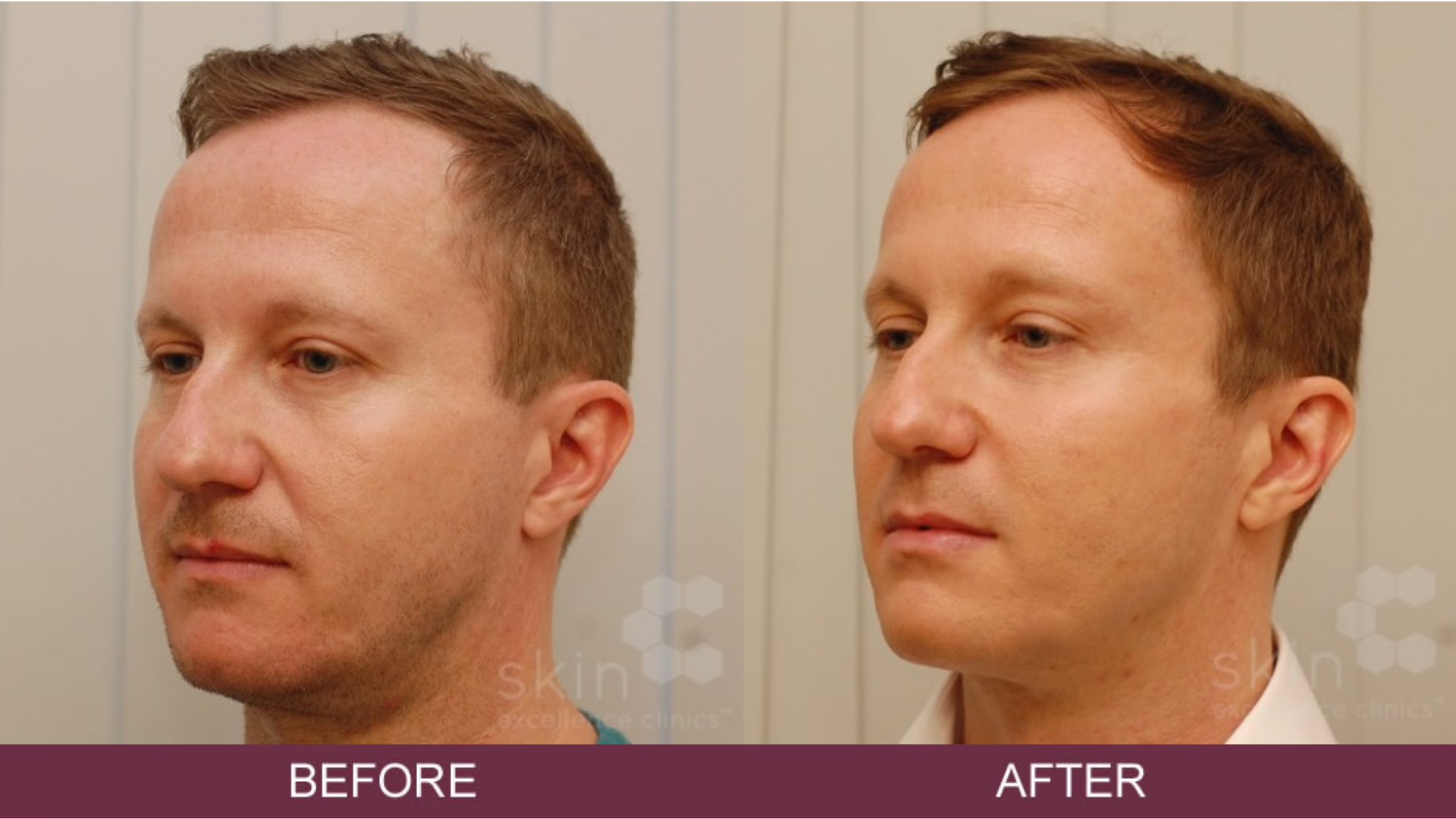
Images Courtesy of Skin Excellence Clinics
The visible outcome of an injectable treatment can change as initial swelling subsides and the tissue response develops. Patients may notice an early change from the gel carrier, while collagen remodeling occurs over a longer period.
For an Ellanse under eye treatment, the final appearance depends on factors including the degree of hollowing, tissue characteristics, injection technique, product selection, and individual healing response. Before-and-after photographs should therefore be interpreted as examples of individual outcomes rather than predictions of what every patient will experience.
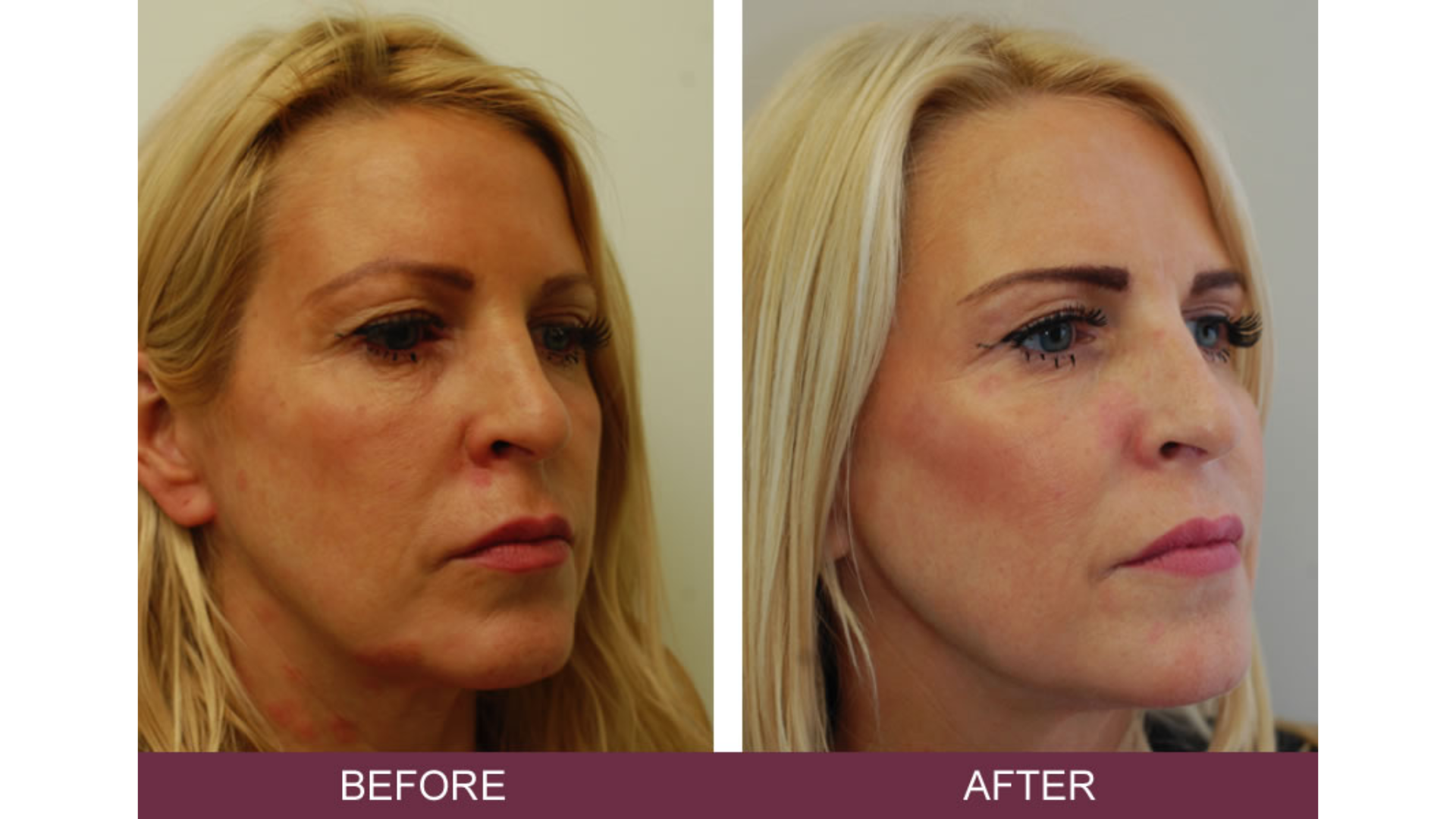
Images Courtesy of Skin Excellence Clinics
Published research on PCL-based fillers has demonstrated persistent aesthetic improvement in several facial applications, but duration should not be presented as a fixed two- to four-year outcome for every treatment or anatomical site. [1] Evidence from other facial regions cannot automatically establish equivalent longevity or safety for infraorbital applications.
Offering Ellanse Treatments for Under Eye Concerns
Medical professionals considering PCL-based treatments for under-eye concerns should obtain appropriate education in facial anatomy, injection techniques, patient selection, and complication management. Training should be specific enough to address the risks associated with delicate periocular anatomy.
The Ellanse under eye application should not be approached as simply an extension of routine filler treatment in other facial areas. Practitioners need to understand the differences between infraorbital hollowing, pigmentation, edema, skin laxity, and other causes of under-eye concerns before selecting an injectable approach.
PCL-based fillers may also be used in other facial applications, depending on the specific product, local regulatory status, and practitioner assessment. For example, treatment planning for an Ellanse forehead application would involve different anatomical considerations from those associated with the infraorbital region.
Managing Potential Complications and Side Effects
Handling complications and side effects requires expertise. Trained professionals can effectively manage infection, nodule formation, or uneven results. Proper patient assessment is crucial to select the appropriate type of Ellanse based on individual needs and treatment areas, whether it’s the face, hands, or body. This careful selection and skilled administration help minimize risks and enhance treatment outcomes.
Conclusion
Ellanse is a powerful solution for under-eye hollows and dark circles. Its ability to fill and encourage your skin to produce collagen offers long-lasting, natural-looking results.
This treatment is perfect for those looking to refresh their look without constant touch-ups. Choosing the right expert is critical to safe and beautiful outcomes.
So, if you want vibrant, youthful eyes, Ellanse might be the answer you’re looking for!
FAQs
1. What is Ellanse, and how does it help with under eye hollows and dark circles?
Ellanse is a unique treatment for reducing the appearance of under eye hollows and dark circles. It stimulates the body’s natural collagen production, giving the skin a fuller, more youthful look.
2. Is Ellanse safe to use for under eye treatment?
Yes, Ellanse has been proven safe for treating under eye issues. However, like all treatments, it’s essential to consult a professional before starting any new regimen.
3. How long do the effects of an Ellanse treatment last?
The duration varies from person to person, but generally speaking, the benefits of an Ellanse treatment last one to four years.
4. Can I use other treatments in conjunction with Ellanse?
Indeed! Many people find that combining Ellanse with other treatments enhances their results further. However, always remember to discuss this approach with your healthcare provider first.
Citations
[1] Dawes, Lucinda. “Ellanse Filler: The Collagen-Stimulating Dermal Filler.” Elite Aesthetics, 2 Mar. 2024, www.elite-aesthetics.co.uk/blog-post/ellanse-filler-the-collagen-stimulating-dermal-filler.
[2] Nakra, Tanuj, et al. “Infraorbital Dark Circles: A Review of the Pathogenesis, Evaluation and Treatment.” Journal of Cutaneous and Aesthetic Surgery, vol. 9, no. 2, Jan. 2016, p. 65. https://doi.org/10.4103/0974-2077.184046.
[3] Woodrow, Jeff. “How to Tighten Skin Under the Eyes: 14 Ways to Improve Sagging, Wrinkled Skin.” Derm Collective, 29 Apr. 2022, dermcollective.com/how-to-tighten-skin-under-eyes.
The content on this page has been written and fact-checked in accordance with our Editorial Policy. Clinical claims are sourced from peer-reviewed literature, regulatory documentation, and manufacturer specifications. Where citations are provided, it is always in accordance to our editorial standards.