Your Cart is Empty
Start shopping

The U.S. Food and Drug Administration (FDA) evaluates injectable cosmetic products for safety and effectiveness before they can be legally marketed for approved uses in the United States. For practitioners and patients asking is Nucleofill FDA approved, understanding its current regulatory status is important when considering this polynucleotide-based skin treatment.
Nucleofill is one such treatment. It focuses on bio-revitalization through polynucleotides to improve hydration, elasticity, and overall skin quality. Widely used in Europe and Asia, Nucleofill has not yet received FDA approval in the United States, which impacts its availability and regulatory standing.
In this article, we’ll discuss Nucleofill’s FDA status, its benefits, and what clients should know before considering it for aesthetic purposes.
Key Takeaways
- The FDA requires rigorous clinical trials and extensive safety data before approving any injectable treatments for use in the U.S.
- Nucleofill has not yet received FDA approval, limiting its availability for cosmetic procedures within the U.S.
- Unlike hyaluronic acid-based fillers, Nucleofill uses polynucleotides to promote collagen production and improve skin texture, targeting deeper skin repair.
- Potential users of Nucleofill should consult qualified practitioners, particularly regarding off-label use, to understand associated risks and benefits.
- Medical practices looking to buy Nucleofill online should source products from authorized suppliers and confirm the applicable regulatory requirements in their market.
About: Doctor Medica is your trusted supplier of top-quality dermal fillers, viscosupplements, and more for your medical practice. We offer genuine products from leading brands at the lowest prices in the market.
Recommended products
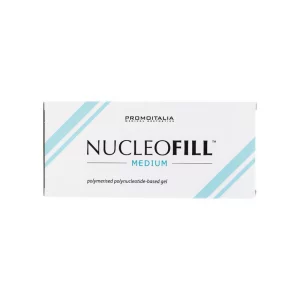

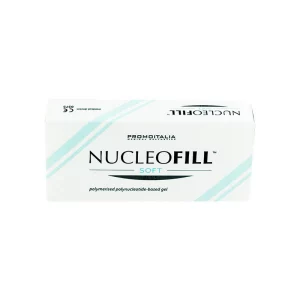
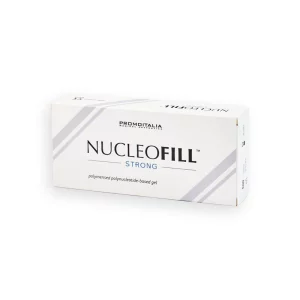
Understanding FDA Approval

The Food and Drug Administration (FDA) is responsible for approving medical and cosmetic products to ensure their safety and effectiveness [1]. Products seeking FDA approval must undergo extensive testing, including lab studies and clinical trials, to thoroughly evaluate potential risks and benefits.
FDA approval reassures consumers about the safety of injectables like skin boosters since these products are administered directly into the body. This rigorous approval process helps reduce risks, especially for elective cosmetic treatments, which rely heavily on safety and quality.
For a product like Nucleofill to be FDA-approved, it must meet specific criteria in its formulation, manufacturing, and post-market monitoring to ensure safety and effectiveness in cosmetic applications.
Is Nucleofill FDA Approved? Current Regulatory Status
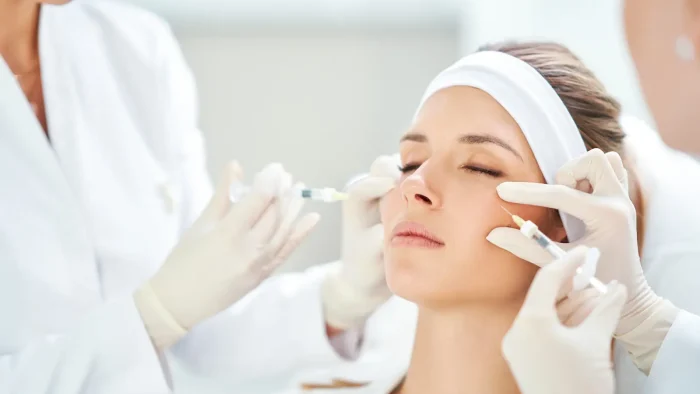
The question is Nucleofill FDA approved is particularly relevant because the treatment is used internationally but has not received FDA approval for cosmetic use in the United States. FDA approval hinges on rigorous clinical trials and safety assessments. To date, Nucleofill has not completed these requirements for sale in the United States, as it has not met FDA standards for safety and effectiveness.
Safety assessments are a priority for any injectable treatment. During these checks, potential adverse reactions are observed to determine a product’s overall risk profile. For Nucleofill, more studies are necessary to fully understand its long-term safety [2].
While not yet FDA-approved, discussions on possible side effects of Nucleofill are essential. Like other dermal treatments, it may cause mild reactions such as redness, swelling at the injection site, and occasional itching or slight discomfort. Typically, these effects are mild and resolve on their own without medical intervention.
Implications for Cosmetic Procedures
Nucleofill is widely used to boost collagen and enhance skin elasticity, offering a unique, bio-stimulating approach to skin health. However, unlike other FDA-approved fillers like Juvederm, Nucleofill has not yet been approved in the U.S., so its application remains restricted. For patients wondering is Nucleofill FDA approved, its regulatory status should be considered alongside the available clinical evidence, practitioner guidance, and local rules governing injectable treatments.
Despite lacking FDA approval, some practitioners use Nucleofill off-label for skin revitalization. Off-label use bypasses the FDA’s usual safety protocols, adding potential risks.
FDA-approved fillers like Juvederm and Restylane have established safety records, making them trusted options. But unlike these, Nucleofill targets deeper skin repair. Patients can better align treatments with personal skin goals by understanding the distinct effects of comparisons like Nucleofill vs Rejuran.
Conclusion
For those asking is Nucleofill FDA approved, the treatment has not received FDA approval for cosmetic use in the United States. While its unique formula is gaining attention for skin rejuvenation, further studies are needed to confirm its safety and effectiveness under FDA standards. For now, those in the U.S. seeking an FDA-approved option may need to consider alternative treatments until Nucleofill completes the approval process.
FAQs
1. Is Nucleofill FDA-approved for use in the United States?
No, Nucleofill has not been approved by the FDA for use in the U.S., meaning it is currently unavailable for legally approved cosmetic applications.
2. What sets Nucleofill apart from other fillers?
Nucleofill uses polynucleotides to stimulate collagen and elastin production for deeper skin revitalization, unlike hyaluronic acid-based fillers such as Juvederm, which focus on immediate volume and hydration.
3. Can Nucleofill be used off-label in the U.S.?
Some practitioners may offer Nucleofill off-label, though this approach lacks the FDA’s formal safety endorsement. Patients should discuss potential risks with their healthcare provider.
Citations
[1] Newburger, Amy E. “Cosmetic Medical Devices and Their FDA Regulation.” Archives of Dermatology, vol. 142, no. 2, 2006, pp. 225–228. https://doi.org/10.1001/archderm.142.2.225.
[2] Vedamurthy, Maya, Vaishnavi Duvvuru, and Vijaya Lakshmi Chelikani. “Skin Boosters – The Upcoming Boom in Cosmetic Dermatology for Healthy Skin.” CosmoDerma, vol. 3, 2023, article 82. https://doi.org/10.25259/CSDM_93_2023.
[3] EMMA International Consulting Group Inc. “How the FDA Regulates Cosmetic Injectables.” EMMA International, 10 June 2024. https://emmainternational.com/how-the-fda-regulates-cosmetic-injectables/.
[4] Grand View Research. “Non-Invasive Aesthetic Treatment Market Size, Share & Trends Analysis Report by Procedure (Injectable, Skin Rejuvenation), End-Use, Region, and Segment Forecasts, 2023–2030.” Grand View Research. Accessed 25 Oct. 2024. https://www.grandviewresearch.com/industry-analysis/non-invasive-aesthetic-treatment-market.
The content on this page has been written and fact-checked in accordance with our Editorial Policy. Clinical claims are sourced from peer-reviewed literature, regulatory documentation, and manufacturer specifications. Where citations are provided, it is always in accordance to our editorial standards.