Your Cart is Empty
Start shopping

Since their introduction in aesthetic medicine, dermal fillers have consistently been among the most popular minimally invasive treatments. In 2020 alone, specialists in the United States administered over 3 million dermal filler procedures. These fillers are commonly used to restore volume, smooth wrinkles, and enhance facial contours, providing a minimally invasive option for those seeking aesthetic improvements without surgery.
Among the various fillers available, Teosyal stands out for its hyaluronic acid-based products that address different facial areas and concerns. Known for their high quality, long-lasting results, and safety profile, Teosyal fillers offer a reliable solution for facial rejuvenation.
For medical professionals evaluating treatment outcomes, Teosyal before and after photographs can provide a visual reference for changes in facial volume, contour, and soft-tissue appearance. However, photographs represent individual cases and should be considered alongside clinical evidence, product information, and appropriate patient assessment.
Key Takeaways
- Teosyal before and after photographs can illustrate individual changes in facial volume, contour, and lip appearance, but they do not guarantee comparable results for every patient.
- The treatment process involves pretreatment preparation and post-treatment care for optimal results.
- Teosyal effectively addresses facial volume loss, wrinkles, fine lines, and lip enhancement.
- Before-and-after photos, clinical data, and patient testimonials provide comprehensive evidence of Teosyal’s effectiveness.
About: Doctor Medica is your trusted supplier of top-quality dermal fillers, viscosupplements, and more for your medical practice. We offer genuine products from leading brands at the lowest prices in the market.
Understanding Teosyal
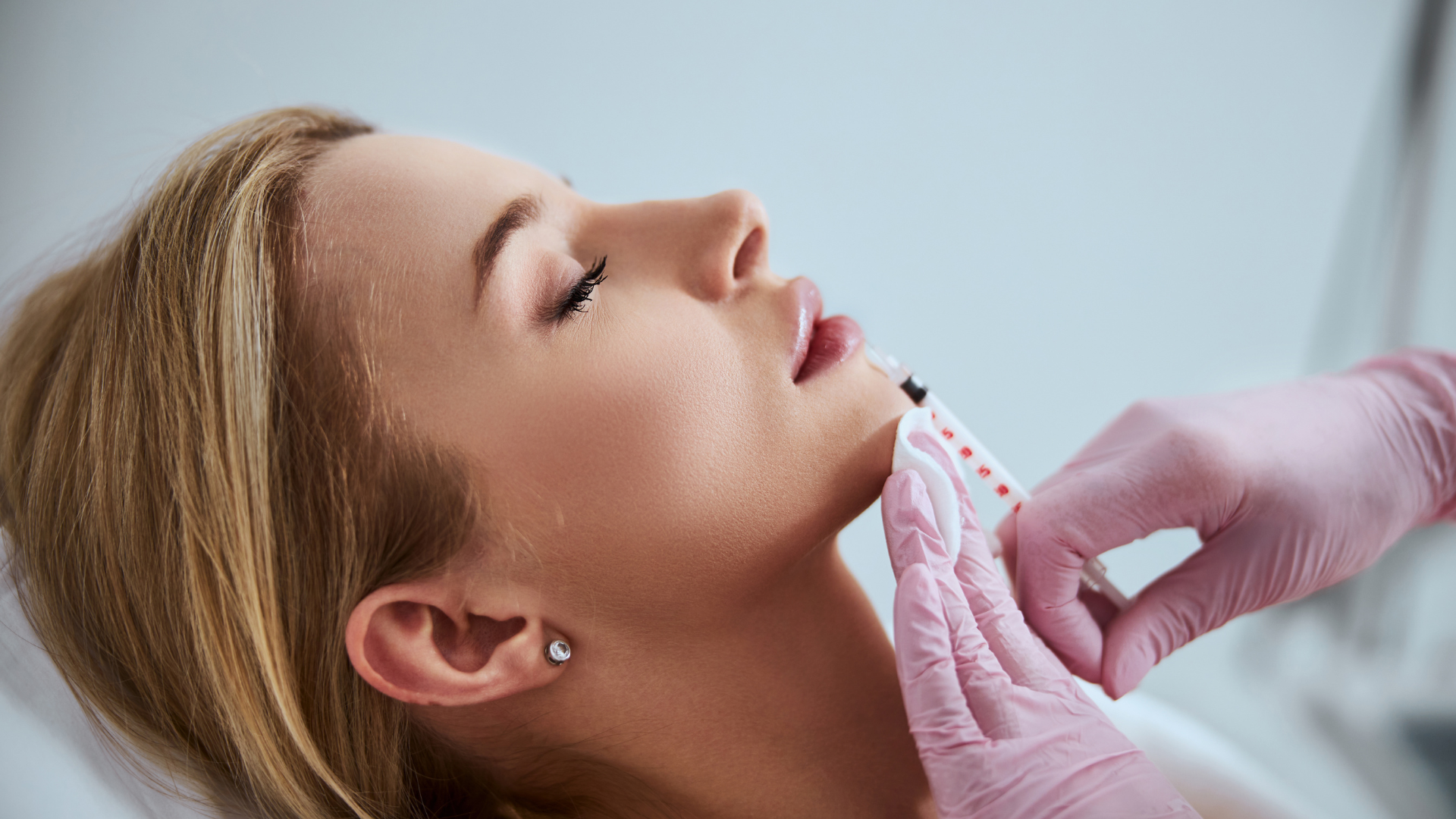
Teosyal is a front-runner among dermal fillers, recognized for its significant role in aesthetic enhancement and rejuvenation. These fillers replenish the skin’s hyaluronic acid, restoring hydration and volume.
Teosyal fillers provide more than temporary improvements; they offer long-lasting solutions to facial aging concerns. Thanks to their superior hyaluronic acid (HA) composition, Teosyal products are essential in non-surgical facial rejuvenation. [2] They effectively address issues such as volume loss, fine lines, and deep wrinkles while also sculpting facial contours.
The duration of correction is similarly product- and patient-dependent. HA fillers are biodegradable and gradually undergo degradation within the body, meaning that their effects are temporary. Published duration estimates should be interpreted according to the specific formulation, treatment area, injection technique, and study population rather than presented as a guaranteed timeframe.
Providers who buy Teosyal wholesale for professional use can review the characteristics and intended applications of individual formulations when developing treatment plans for different facial areas.
The Teosyal Treatment Process
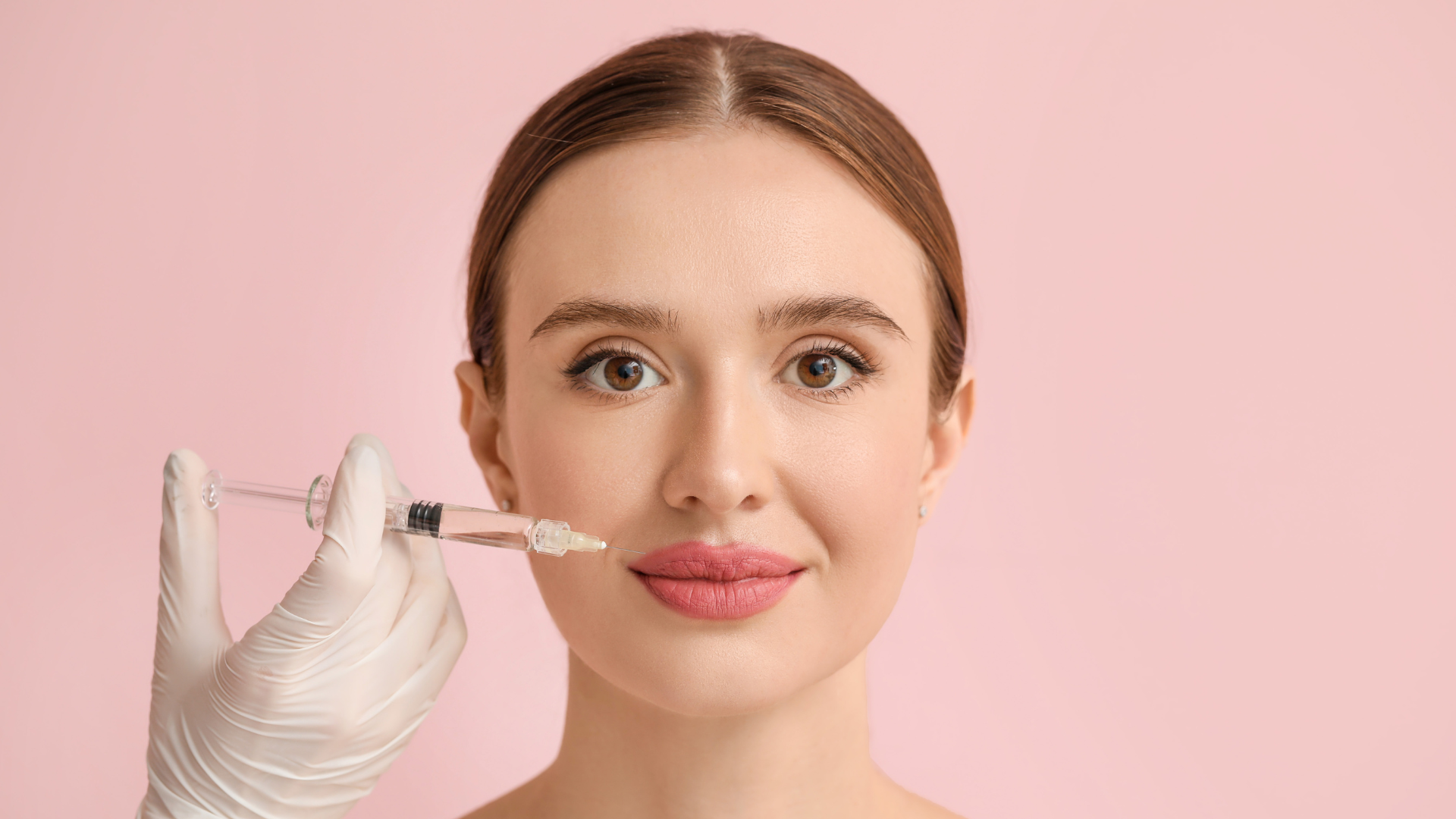
The treatment typically takes less than 30 minutes. During the procedure, your provider will cleanse the injection site and may apply a topical anesthetic to minimize discomfort. The filler is then gradually injected into the targeted areas, such as the cheeks, lips, or under the eyes, using a fine needle. [3] The provider will gently massage the area to ensure the filler is evenly distributed and smooth
Pretreatment Preparation
- Consultation: A thorough consultation with a qualified professional is crucial. During this session, the practitioner will assess the patient’s medical history, skin condition, and aesthetic goals. They will also discuss the expected outcomes and potential risks.
- Avoid Certain Medications: Patients should avoid blood-thinning medications, such as aspirin and ibuprofen, for at least a week before the procedure to minimize bruising and bleeding.
- Skin Care: Patients are advised to keep their skin clean and avoid any skincare products that could irritate the skin a few days before the treatment.
- Hydration: Maintaining good hydration levels can help the skin respond better to the treatment.
After the treatment, you may experience some swelling, redness, or bruising at the injection sites. These side effects are usually mild and should subside within a few days. To aid recovery, apply a cold compress to the treated areas and avoid strenuous activities for 24-48 hours.
It’s also recommended to avoid excessive sun exposure and to use sunscreen to protect the treated areas. Results are typically visible immediately and continue to improve over the next few weeks as the hyaluronic acid integrates with the skin.
Specific Aesthetic Concerns Addressed by Teosyal
- Facial Volume Loss: As we age, the natural fat pads in our face diminish, leading to a hollow or sunken appearance. Teosyal helps restore lost volume by replenishing hyaluronic acid, a substance naturally found in the skin. This treatment can effectively plump up areas such as the cheeks and temples, giving the face a more youthful and fuller look.
- Wrinkles and Fine Lines: Teosyal is highly effective in smoothing out wrinkles and fine lines. By injecting the filler into areas like the forehead, around the eyes, and mouth, it fills in creases and provides a smoother skin surface. The hyaluronic acid in Teosyal attracts and retains moisture, which further helps in reducing the appearance of wrinkles.
- Lip Enhancement: Using Teosyal filler for lips offers a solution that can add volume and definition. Whether you desire fuller lips or want to correct asymmetry, Teosyal can be tailored to achieve natural-looking results. The filler not only adds volume but also hydrates the lips, making them appear more youthful and plump.
Teosyal Before and After Photo Examples
Before-and-after photographs can be useful for demonstrating how dermal filler treatment may alter facial volume and contour. When reviewing Teosyal before and after images, however, practitioners should consider factors such as the specific formulation used, injection technique, treatment volume, time between photographs, lighting, camera angle, facial expression, and whether other aesthetic procedures were performed.
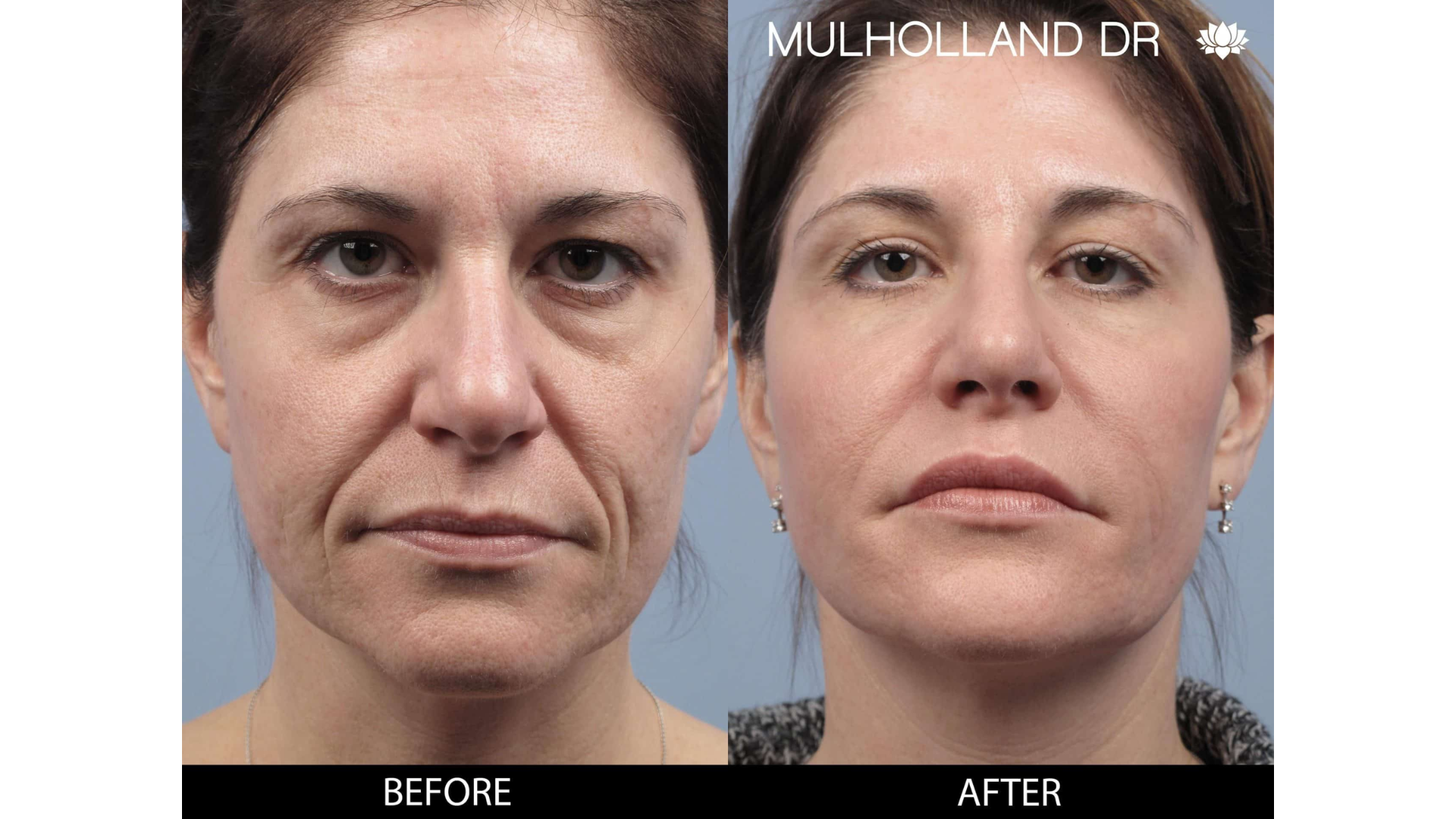
Image Courtesy of Spa Medica
The face shows signs of aging, including fine lines, wrinkles, and sagging skin. There is a loss of volume in key areas such as the cheeks and under the eyes, leading to a tired and less youthful appearance. The skin may also appear dull and uneven in tone.
After facial rejuvenation, the skin is visibly smoother and firmer, with reduced fine lines and wrinkles. The face has regained volume in the cheeks and under the eyes, giving it a lifted and more youthful appearance. The skin tone is even and radiant, contributing to a fresh and revitalized look.
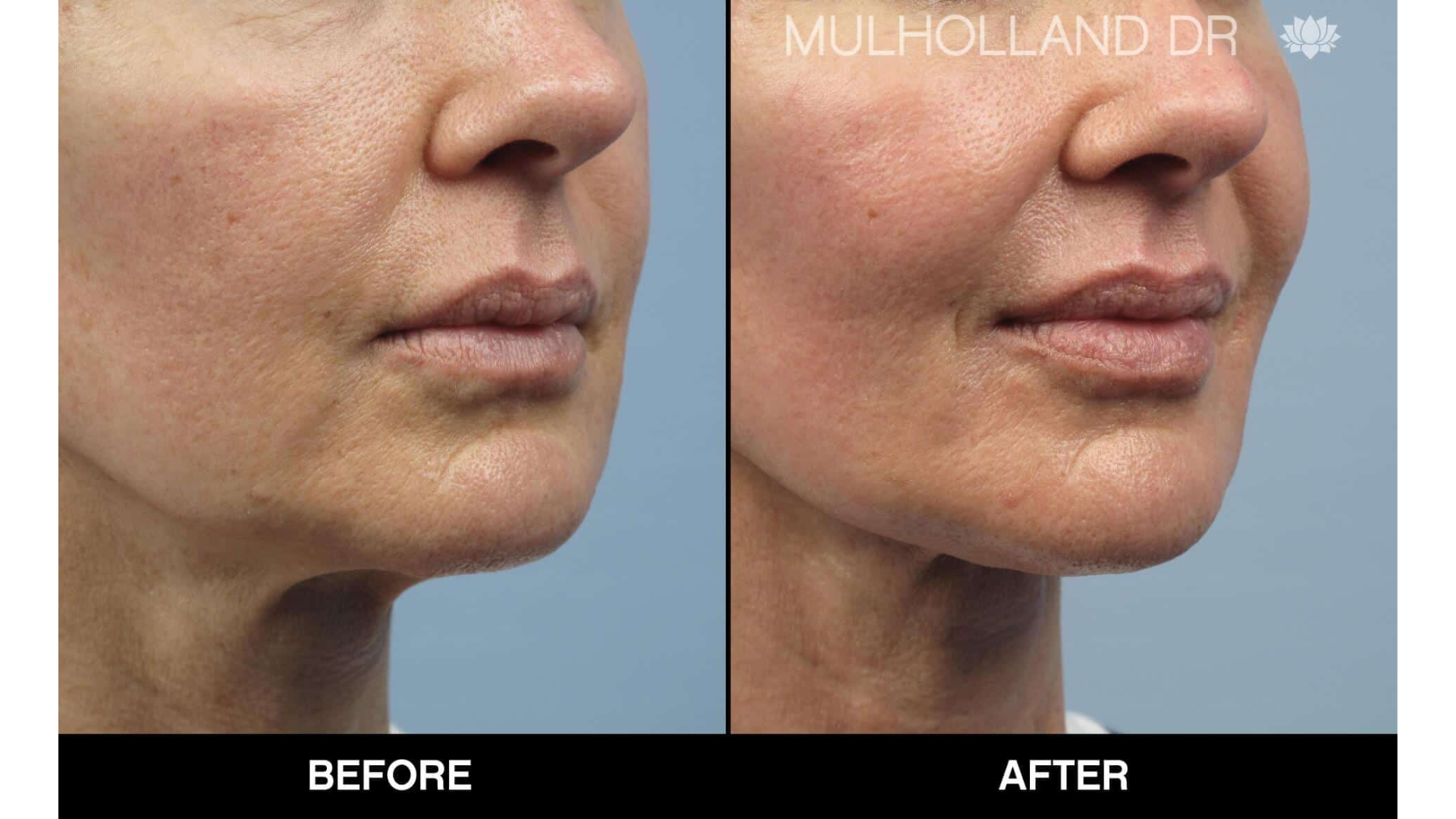
Image Courtesy of Spa Medica
The cheeks appear flat and sunken, lacking volume and definition. Fine lines and wrinkles may be present around the cheek area, and the overall skin texture might be uneven and dull. This results in a tired and aged appearance.
Post cheek rejuvenation, the cheeks are fuller and more contoured, with a restored youthful plumpness. Fine lines and wrinkles around the cheeks are minimized, and the skin texture is smooth and radiant. The face looks refreshed and more vibrant, with a healthy and natural-looking lift.
These examples demonstrate why Teosyal before and after photographs should be evaluated in context. Individual anatomy, filler placement, treatment volume, and the interval between treatment and follow-up photography can all affect the appearance of the result.
Evaluating Teosyal Before and After Results
When assessing Teosyal before and after photographs, medical professionals should look beyond the apparent increase in volume. Important considerations include whether facial proportions remain balanced, whether the correction corresponds to the patient’s original treatment goal, and whether the result appears consistent with the intended anatomical placement of the filler.
Photographs are also more useful when standardized conditions are maintained. Similar lighting, camera distance, facial position, and expression can make comparisons more meaningful. Without these controls, apparent differences may partly reflect photographic variables rather than treatment effects.
Patient-reported outcomes and clinical assessments can provide additional information. However, online testimonials and Teosyal filler reviews should be interpreted cautiously because they may involve different products, practitioners, injection techniques, treatment areas, and patient characteristics.
Conclusion
Teosyal before and after photographs provide a useful visual way to examine individual changes following HA filler treatment, including alterations in facial volume, contour, and lip appearance. However, images should be interpreted alongside clinical evidence and product-specific information rather than treated as proof of a guaranteed outcome.
Teosyal’s range includes formulations with different characteristics and intended applications, making individualized product selection an important part of treatment planning. Appropriate patient assessment, anatomical knowledge, injection technique, and post-treatment monitoring all contribute to responsible use of dermal fillers.
Ultimately, before-and-after images can help illustrate possibilities, but the outcome of any treatment remains dependent on the individual patient, the selected product, and the clinical approach used.
FAQs
1. What is Teosyal?
Teosyal is a range of injectable dermal fillers made of hyaluronic acid designed to treat wrinkles, give volume to the face, and improve skin hydration.
2. Are there any risks involved with using Teosyal?
Like all treatments, there are potential risks, though they’re minimal if carried out by a certified professional. Any side effects usually subside within days, but discussing these with your healthcare provider beforehand is crucial.
3. Can anyone use Teosyal for cosmetic enhancement?
While many people successfully use Teosyal for cosmetic enhancements, only some are ideal candidates. It’s essential to consult with a qualified health professional who can advise based on individual health history and aesthetic goals.
Citations
[1] American Society of Plastic Surgeons. Plastic Surgery Statistics Report 2020. American Society of Plastic Surgeons, 2021, https://www.plasticsurgery.org/documents/News/Statistics/2020/plastic-surgery-statistics-full-report-2020.pdf.
[2] Bhojani-Lynch, Tahera, et al. “A Prospective, Observational Registry Study to Evaluate Effectiveness and Safety of Hyaluronic Acid-Based Dermal Fillers in Routine Practice: Interim Analysis Results With One Year of Subject Follow-Up.” Clinical Cosmetic and Investigational Dermatology, vol. Volume 14, Nov. 2021, pp. 1685–95. https://doi.org/10.2147/ccid.s329415.
[3] Kaufman‐Janette, Joely, et al. “Efficacy and Safety of a New Resilient Hyaluronic Acid Dermal Filler, in the Correction of Moderate‐to‐severe Nasolabial Folds: A 64‐week, Prospective, Multicenter, Controlled, Randomized, Double‐blind and Within‐subject Study.” Journal of Cosmetic Dermatology, vol. 18, no. 5, Aug. 2019, pp. 1244–53. https://doi.org/10.1111/jocd.13100.
[4] Trévidic, Patrick, et al. “Injection Guidelines for Treating Midface Volume Deficiency With Hyaluronic Acid Fillers: The ATP Approach (Anatomy, Techniques, Products).” Aesthetic Surgery Journal, vol. 42, no. 8, Jan. 2022, pp. 920–34. https://doi.org/10.1093/asj/sjac007.
The content on this page has been written and fact-checked in accordance with our Editorial Policy. Clinical claims are sourced from peer-reviewed literature, regulatory documentation, and manufacturer specifications. Where citations are provided, it is always in accordance to our editorial standards.