Your Cart is Empty
Start shopping

Skin rejuvenation treatments have become increasingly popular for addressing signs of aging, offering effective solutions to enhance hydration, elasticity, and overall skin quality. Among these, hyaluronic acid (HA) stands out as a cornerstone ingredient, celebrated for its ability to deeply hydrate and revitalize the skin. These advancements have made minimally invasive procedures a top choice for individuals seeking youthful, radiant skin without downtime.
Viscoderm and Profhilo are two leading HA-based treatments designed to improve skin health and appearance. While they share the goal of rejuvenation, their formulations and applications set them apart, catering to different aesthetic goals and skin concerns. Understanding these distinctions is key to selecting the treatment that best aligns with your needs.
In this article, we compare Viscoderm vs Profhilo, exploring their unique benefits, applications, and how they address various skin concerns to help you make an informed decision.
Key Takeaways
- Viscoderm focuses on enhancing hydration and elasticity with ultrapure, non-cross-linked hyaluronic acid, making it ideal for dry, dull, or tired skin.
- Profhilo offers bio-remodeling effects by stimulating collagen and elastin production, targeting skin firmness and structure, particularly in areas prone to sagging.
- Both treatments leverage the benefits of hyaluronic acid, but their mechanisms of action and ideal applications vary significantly.
- Choosing the right treatment depends on individual goals—hydration and localized improvement with Viscoderm versus tightening and overall rejuvenation with Profhilo.
About: Doctor Medica is your trusted supplier of top-quality dermal fillers, viscosupplements, and a range of medical and aesthetic products for your practice. We offer authentic products from leading brands at the lowest prices. Contact Doctor Medica today!
Recommended products

Understanding Viscoderm vs Profhilo

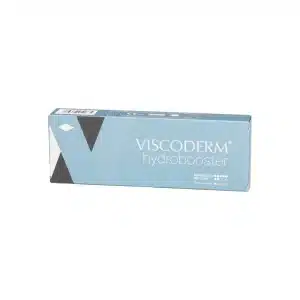
Viscoderm is a skin booster product line manufactured by IBSA Farmaceutici Italia. It contains ultrapure, non-cross-linked hyaluronic acid produced through a patented bio-fermentation process [1]. For clinics and qualified practitioners who order Viscoderm online, the product is designed for intradermal use to support skin tissue structures and improve tone, elasticity, and firmness.
Profhilo is another injectable skin remodeling treatment that uses high concentrations of hyaluronic acid to support skin hydration and quality. Unlike traditional dermal fillers, Profhilo is designed to promote skin remodeling, including collagen and elastin production, which may improve texture, firmness, and elasticity. Both treatments aim to enhance overall skin quality while providing subtle, natural-looking results.
Mechanism of Action

The differences between Viscoderm vs Profhilo are mainly related to their formulations and how they are intended to improve skin quality. Viscoderm uses ultrapure, non-cross-linked hyaluronic acid delivered into the dermis, where it helps attract and retain moisture. This hydration can support improvements in skin elasticity, firmness, and texture.
Profhilo takes a skin-remodeling approach, combining high concentrations of hyaluronic acid to support hydration and biological activity within the treated tissue [2]. As it disperses through the skin, it may encourage processes associated with collagen and elastin production. Both treatments can enhance overall skin quality, but their different formulations may make one more suitable than the other depending on the patient’s concerns and treatment objectives.
Ideal Use Cases

Viscoderm is best suited for individuals looking to improve their skin’s hydration and elasticity. It’s an excellent choice for those who have dry, dull, or tired-looking skin. The ultrapure hyaluronic acid in Viscoderm provides intense hydration, making the skin look plumper and more radiant. When looking at Viscoderm before and after comparisons, you’ll typically see a significant improvement in skin texture, moisture levels, and overall skin tone.
Profhilo is ideal for those seeking skin tightening and rejuvenation. It’s perfect for individuals experiencing sagging skin, fine lines, and a general loss of skin firmness. Profhilo’s unique ability to stimulate collagen and elastin production makes it a powerful option for enhancing skin’s structure and elasticity. The treatment is especially beneficial for areas like the face, neck, and décolletage, where signs of aging often appear first.
Conclusion
Viscoderm and Profhilo represent two distinct yet effective approaches to skin rejuvenation. Viscoderm excels in delivering deep hydration and improving elasticity for individuals with dry or tired skin, while Profhilo offers a more comprehensive solution for addressing sagging and boosting collagen and elastin production. Both treatments utilize the remarkable properties of hyaluronic acid to achieve visible, natural-looking improvements.
Selecting between the two depends on individual skin concerns and desired outcomes. Consulting with a qualified practitioner ensures the chosen treatment aligns with specific goals, paving the way for radiant, rejuvenated skin.
FAQs
1. What is the main difference between Viscoderm and Profhilo?
Viscoderm primarily focuses on skin hydration and elasticity through localized application, while Profhilo promotes skin tightening and firmness by stimulating collagen and elastin production across larger areas.
2. How long do the results of Viscoderm and Profhilo last?
Results for both treatments typically last between 6 and 12 months, depending on the individual’s skin type, lifestyle, and the treatment area.
3. Are Viscoderm and Profhilo safe?
Yes, both treatments are considered safe when performed by a qualified practitioner. They use high-quality hyaluronic acid and follow stringent safety protocols.
4. How soon can I see results from Viscoderm or Profhilo?
Viscoderm results are typically noticeable shortly after treatment as hydration improves, while Profhilo results may take a few weeks as collagen and elastin production are stimulated.
Citations
[1] Agolli, E., B. Diffidenti, N. Zitti, et al. Hybrid Cooperative Complexes of High and Low Molecular Weight Hyaluronans (Profhilo®): Review of the Literature and Presentation of the VisionHA Project / Complessi Ibridi Cooperativi di Acido Ialuronico ad Alto e Basso Peso Molecolare (Profhilo®): Review della Letteratura e Presentazione del Progetto VisionHA. Accessed 27 Aug. 2026. https://profhilo.com.br/wp-content/uploads/2021/10/2018-visionha-eng.pdf.
[2] Hyaluronic Acid: What It Is, Benefits, How to Use & Side Effects. Cleveland Clinic, 4 May 2022. Accessed 27 Aug. 2026. https://my.clevelandclinic.org/health/articles/22915-hyaluronic-acid.
[3] Siquier-Dameto, G., S. Boisnic, P. Boadas-Vaello, and E. Verdú. “Anti-Aging and Depigmentation Effect of a Hyaluronic Acid Mechanically Stabilized Complex on Human Skin Explants.” Polymers, vol. 15, no. 11, 2023, p. 2438. https://doi.org/10.3390/polym15112438
[4] Yi, K., W. Winayanuwattikun, S. Kim, et al. “Skin Boosters: Definitions and Varied Classifications.” Skin Research and Technology, vol. 30, no. 3, 2024. https://doi.org/10.1111/srt.13627
The content on this page has been written and fact-checked in accordance with our Editorial Policy. Clinical claims are sourced from peer-reviewed literature, regulatory documentation, and manufacturer specifications. Where citations are provided, it is always in accordance to our editorial standards.