Your Cart is Empty
Start shopping

Hyaluronic acid (HA) has become a cornerstone in cosmetic dermatology, with its use in dermal fillers growing exponentially. According to the American Society of Plastic Surgeons, HA-based fillers were the most popular type of soft tissue fillers in 2020. HA is renowned for its ability to attract and retain moisture, providing volume and elasticity to the skin.
Among the various HA-based products, Teosyal stands out for its advanced formulations developed by Teoxane Laboratories. Known for its high-quality, long-lasting results, Teosyal offers a range of fillers designed to address various facial areas and concerns.
For medical professionals evaluating patient experiences alongside clinical evidence, Teosyal filler reviews can provide additional context, but they should not replace peer-reviewed studies or product-specific regulatory information. This article examines the characteristics, clinical evidence, potential benefits, safety considerations, and practical applications of Teosyal fillers.
Key Takeaways
- Teosyal is a portfolio of HA dermal fillers designed for different aesthetic applications, with formulations varying in their physical and rheological properties.
- Teosyal filler reviews can offer insight into patient experiences, but anecdotal feedback should be considered alongside clinical studies and practitioner assessment.
- Teosyal RHA products have been investigated in clinical studies involving areas such as nasolabial folds and dynamic perioral lines.
- Common filler-related reactions include swelling, bruising, redness, tenderness, and discomfort, while rare but serious complications can occur.
- Product selection should be based on the patient’s anatomy, treatment objective, specific formulation, clinical evidence, and applicable regulatory indications.
About: Doctor Medica is your trusted supplier of top-quality dermal fillers, viscosupplements, and more for your medical practice. We offer genuine products from leading brands at the lowest prices in the market.
Introduction to Teosyal Dermal Fillers
Teosyal is a portfolio of HA dermal fillers developed for a range of aesthetic applications, including facial volume correction and the treatment of selected wrinkles and folds. Different formulations have different physical characteristics and intended uses, so the Teosyal name should not be treated as referring to one uniform filler.
Teosyal products use non-animal-derived hyaluronic acid. Some formulations incorporate the manufacturer’s Resilient Hyaluronic Acid (RHA) technology, designed to provide a flexible gel that adapts to facial movement. [1]
Medical professionals evaluating Teosyal filler reviews should distinguish between individual experiences and clinical evidence. Patient feedback may describe perceived improvements in volume, contour, or skin appearance, but reviews do not provide the same level of evidence as controlled clinical trials.
Professionals may buy Teosyal online to review available formulations for different facial areas and treatment objectives. Product selection should always be based on the specific formulation, its intended indication, and applicable local regulations.
Key Features of Teosyal Fillers
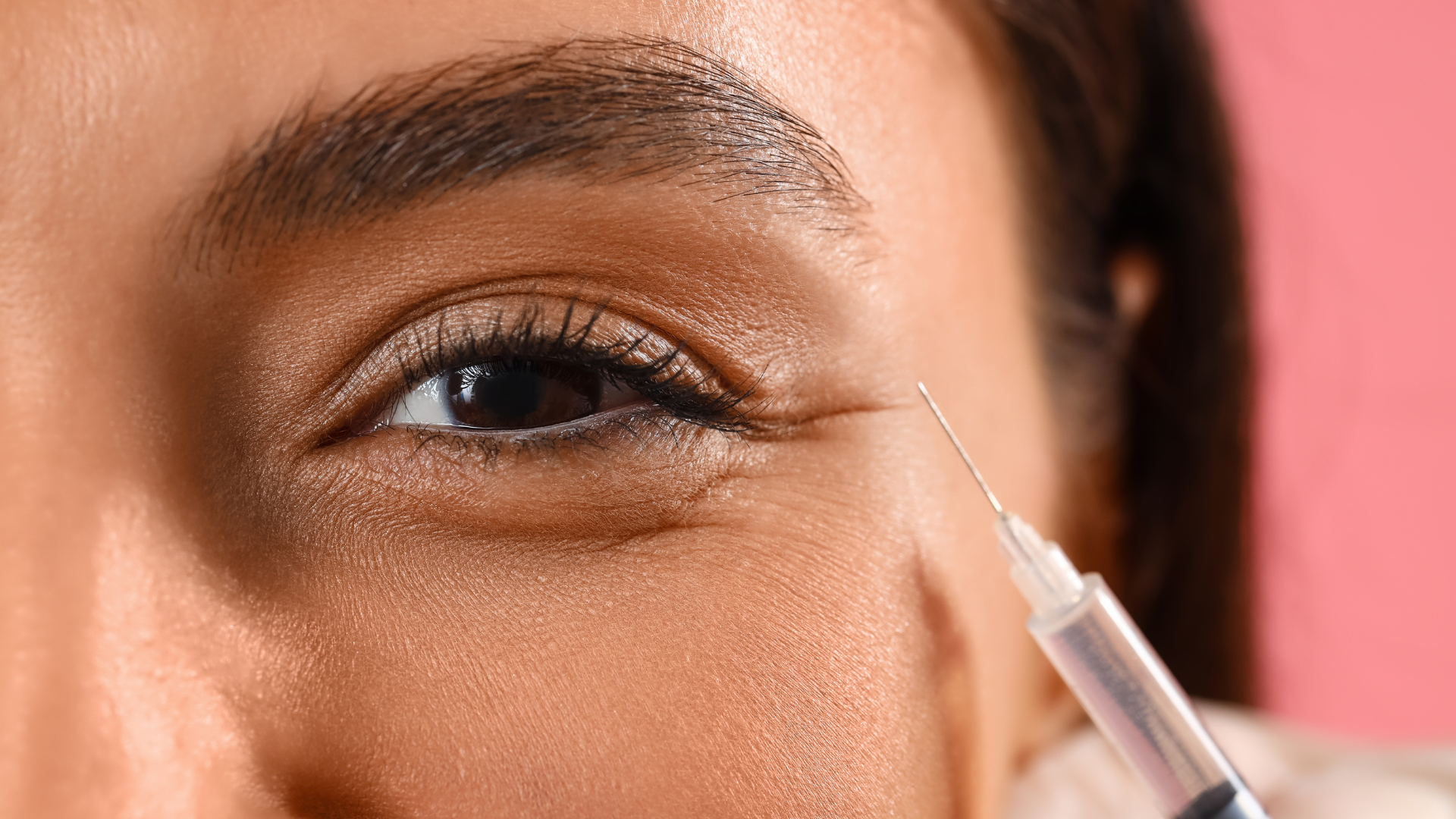
Hyaluronic acid is the primary component of Teosyal fillers. As a naturally occurring glycosaminoglycan, HA has an important role in tissue hydration and the extracellular matrix. In dermal fillers, crosslinking modifies the physical characteristics of HA and allows the material to provide longer-lasting soft-tissue volume than naturally occurring, uncrosslinked HA.
Resilient Hyaluronic Acid Technology
Teosyal’s RHA line is designed around a manufacturing approach intended to preserve the HA polymer structure while providing a gel that can accommodate facial movement. Clinical research has evaluated RHA fillers in dynamic facial areas, including the perioral region. [1]
The characteristics of an HA filler are influenced by several factors, including HA concentration, crosslinking, elasticity, viscosity, cohesivity, and manufacturing technique. These properties can affect how a filler is injected and how it behaves within different tissue planes.
Consequently, Teosyal filler reviews should be interpreted in the context of the particular formulation being discussed. Results observed with one RHA product should not automatically be attributed to every filler within the Teosyal portfolio.
Patients and practitioners may also consult Teosyal before and after examples when discussing potential aesthetic outcomes. However, photographic results can be influenced by lighting, facial expression, injection volume, treatment technique, and other variables.
Efficacy and Safety of Teosyal Fillers

Clinical studies have investigated the efficacy and safety of specific Teosyal RHA formulations. For example, research involving an RHA filler for moderate-to-severe dynamic perioral rhytides reported improvement over the study period, supporting the use of appropriately selected HA fillers for dynamic facial areas. [1]
Other clinical research has evaluated RHA fillers for the correction of nasolabial folds. These studies provide more useful evidence for assessing efficacy than generalized consumer feedback because they use defined treatment protocols and clinical outcome measures. [4]
The safety profile of HA dermal fillers is generally characterized by localized reactions such as swelling, bruising, redness, tenderness, pain, itching, and firmness. These effects are usually temporary, although their duration and severity can vary.
Rare complications can include infection, inflammatory reactions, nodules, granulomatous reactions, and vascular occlusion. Vascular compromise is an important medical complication requiring prompt recognition and management.
What Teosyal Filler Reviews Can and Cannot Tell You
When assessing Teosyal filler reviews, medical professionals should distinguish between subjective satisfaction and objective clinical outcomes. Reviews may help explain how patients perceive factors such as treatment comfort, recovery, or aesthetic results, but they generally lack the controls needed to establish comparative efficacy or safety.
A more comprehensive assessment can combine:
- Peer-reviewed clinical studies
- Product-specific regulatory information
- Manufacturer documentation
- Practitioner experience
- Patient-reported outcomes
- Individual patient anatomy and treatment objectives
This approach provides a more balanced basis for evaluating a filler than relying on ratings or testimonials alone.
Practical Information for Medical Professionals

Different HA filler formulations can be selected according to the desired level of projection, tissue support, and integration. Teosyal cheek fillers, for example, may be considered when facial volume restoration or contour modification is the treatment objective, provided the specific product is appropriate and authorized for that application.
Patient Selection
- Review the patient’s medical history for allergies or skin conditions affecting filler compatibility.
- Consider the patient’s age and how it impacts skin elasticity because results can vary widely among different age groups.
- Evaluate the patient’s expectations to ensure they are realistic; some seek improvements in self-esteem through subtle changes, while others may have unrealistic goals.
- Assess the area of concern on the patient’s face to determine if Teosyal is the best option; not all areas may benefit equally from these fillers.
- Examine previous cosmetic injections the patient has received, as this can affect Teosyal filler outcomes.
- Discuss potential side effects with the patient, including discomfort and uneven results reported by some users.
Injection Techniques
- Linear Threading: The needle is inserted into the skin, and the filler is injected as the needle is withdrawn. This technique is often used for defining contours and filling linear wrinkles.
- Serial Puncture: Multiple small injections are made along the treatment area. This technique is useful for precise placement of the filler in areas like the lips or fine lines.
- Cross-Hatching: Involves injecting the filler in a crisscross pattern to create a grid. This technique is effective for volumizing larger areas and providing even distribution.
- Fanning: The needle is inserted at a single entry point and then moved in a fan-like motion to distribute the filler. This technique is commonly used for areas like the cheeks.
- Depot Injection: The filler is injected in small boluses at specific points. This technique is often used for deep volumizing and lifting.
- Microdroplet Technique: Small amounts of filler are injected in multiple points. This technique is ideal for areas requiring subtle enhancement and precision.
Potential Side Effects
- Bruising: Common at the injection site.
- Swelling: Typically mild and temporary.
- Redness: Often occurs around the injection area.
- Tenderness: Some discomfort or sensitivity at the injection site.
- Itching: Can occur but usually resolves quickly.
- Discomfort: Mild pain or discomfort at the injection site.
- Firmness: The treated area may feel firm initially.
- Induration: Hardening of the tissue at the injection site.
- Lumps or Bumps: Small lumps or bumps may form at the injection site.
Understanding these possible reactions allows healthcare professionals to prepare better and manage their patients’ expectations while providing safe and effective treatments with Teosyal fillers.
Conclusion
Teosyal fillers offer an innovative approach to skincare, providing natural beauty enhancements without the need for surgery. Their versatile range addresses various needs, from wrinkle reduction to restoring facial volume. While opinions may vary, the overall value of these treatments is evident.
Medical professionals commend Teosyal for its safety and effectiveness when administered correctly. As a result, Teosyal stands out as a top choice for individuals seeking to confidently rejuvenate their appearance.
FAQs
1. What are Teosyal fillers?
Teosyal fillers are a type of dermal filler used to enhance facial features and combat signs of aging.
2. Are there any side effects when using Teosyal fillers?
Like all dermal fillers, potential side effects could include redness, swelling, or discomfort at the injection site; however, individual reactions vary greatly, so it’s crucial to consult a healthcare professional before use.
3. How do I know if Teosyal fillers are suitable for me?
Understanding whether Teosyal is suitable involves several factors – your skin type, desired results, and medical history should be considered in consultation with a skincare expert.
Citations
[1] Sundaram, Hema, et al. “Efficacy and Safety of a New Resilient Hyaluronic Acid Filler in the Correction of Moderate-to-Severe Dynamic Perioral Rhytides: A 52-Week Prospective, Multicenter, Controlled, Randomized, Evaluator-Blinded Study.” PubMed, vol. 48, no. 1, Jan. 2022, pp. 87–93. https://doi.org/10.1097/dss.0000000000003238.
[2] Bhojani-Lynch, Tahera, et al. “A Prospective, Observational Registry Study to Evaluate Effectiveness and Safety of Hyaluronic Acid-Based Dermal Fillers in Routine Practice: Interim Analysis Results With One Year of Subject Follow-Up.” Clinical Cosmetic and Investigational Dermatology, vol. Volume 14, Nov. 2021, pp. 1685–95. https://doi.org/10.2147/ccid.s329415.
[3] American Society of Plastic Surgeons. Plastic Surgery Statistics Report 2020. American Society of Plastic Surgeons, 2021, https://www.plasticsurgery.org/documents/News/Statistics/2020/plastic-surgery-statistics-full-report-2020.pdf.
[4] Kaufman‐Janette, Joely, et al. “Efficacy and Safety of a New Resilient Hyaluronic Acid Dermal Filler, in the Correction of Moderate‐to‐severe Nasolabial Folds: A 64‐week, Prospective, Multicenter, Controlled, Randomized, Double‐blind and Within‐subject Study.” Journal of Cosmetic Dermatology, vol. 18, no. 5, Aug. 2019, pp. 1244–53. https://doi.org/10.1111/jocd.13100.
[5] Micheels, Patrick, et al. “Clinical Perspectives on the Injectability of Cross-Linked Hyaluronic Acid Dermal Fillers: A Standardized Methodology for Commercial Product Benchmarking With Inter-Injector Assessments.” Gels, vol. 10, no. 2, Jan. 2024, p. 101. https://doi.org/10.3390/gels10020101.
The content on this page has been written and fact-checked in accordance with our Editorial Policy. Clinical claims are sourced from peer-reviewed literature, regulatory documentation, and manufacturer specifications. Where citations are provided, it is always in accordance to our editorial standards.