Your Cart is Empty
Start shopping

Many knee injections come with potential side effects, which vary depending on the type of treatment. For instance, cortisone injections may cause a temporary increase in pain, elevated blood sugar levels, or thinning of the skin at the injection site. Similarly, hyaluronic acid injections, commonly used for knee osteoarthritis, can lead to side effects like headaches, swelling, or pain at the injection site.
Hymovis is a newer type of hyaluronic acid injection specifically designed to treat knee osteoarthritis. It aims to provide improved joint lubrication and enhance knee function, potentially offering a lower risk of severe side effects than other treatments.
In this article, we will explore the potential Hymovis injection side effects, how they work, and important considerations before undergoing treatment.
Key Takeaways
- Hymovis injections treat osteoarthritis by providing lubrication and cushioning to the affected joint.
- Common side effects of Hymovis injections include redness, swelling, and temporary discomfort at the injection site.
- Uncommon side effects may include allergic reactions or unusual pain in the joint.
- Serious side effects, although rare, can include infection at the injection site or severe allergic reactions.
- Managing side effects appropriately and seeking medical attention to ensure patient safety is essential.
About: Doctor Medica is your trusted supplier of top-quality dermal fillers, viscosupplements, and a range of medical and aesthetic products for your practice. We offer authentic products from leading brands at the lowest prices. Contact Doctor Medica today!
Recommended products



What are Hymovis Injections?
Hymovis is a viscosupplementation treatment designed to help relieve knee pain by supplementing the properties of natural joint fluid. Composed of hyaluronic acid, the injection may help lubricate and cushion the knee joint, reducing friction and supporting mobility.
This treatment is used for individuals with knee osteoarthritis, a condition in which cartilage gradually wears down over time. Hymovis may help reduce pain and improve movement, making everyday activities more manageable. Healthcare professionals who buy Hymovis online should verify the product’s specifications, regulatory requirements, storage conditions, and supplier credentials before purchasing.
Common Hymovis Injection Side Effects
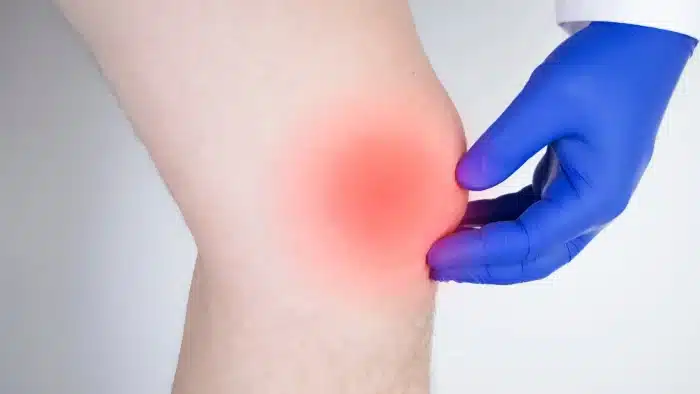
Common side effects of Hymovis injections are usually mild and short-lived. They include:
- Redness or swelling at the injection site
- Temporary discomfort or stiffness in the joint
These effects typically resolve within a few days and can be managed with home care, such as applying ice to reduce swelling or taking over-the-counter pain relievers if needed.
Uncommon Side Effects of Hymovis Injections

- Allergic Reactions or Sensitivities: Some people might have allergic reactions to their Hymovis dosing. These can include rash, hives, and itching.
- Unusual or Severe Joint Pain: This can signify a more severe problem. If the joint hurts or feels very bad, it is vital to talk to a doctor immediately.
Serious Side Effects of Hymovis Injections

- Infection at the Injection Site: Moving from identifying severe side effects, we see infection at the site as a critical concern. This happens rarely but poses a risk. Signs of infection include severe swelling and warmth felt around the area where the shot was given.
- Severe Swelling, Warmth, or Redness in the Joint: After dealing with the risk of infection at the injection site, another serious concern is severe swelling, warmth, or redness around the joint. This can signal a big problem. It may mean the body is fighting something wrong inside the joint area.
- Any Signs of Anaphylaxis or Severe Allergic Reactions: Knowing the signs of severe allergies is vital. Some people may have a bad reaction to Hymovis injections. This can include trouble breathing, dizziness, a fast heartbeat, or swelling around the face and throat.
Managing Hymovis Injection Side Effects
Managing common side effects from Hymovis injections at home can be easy. Most problems are minor and go away on their own.
- Apply ice to the area to reduce swelling.
- Keep the injection site clean to avoid infection.
- Rest the joint after your injection to help with stiffness and discomfort.
- Take over-the-counter pain relievers if needed.
- Elevate the affected limb to lessen swelling.
If unusual pain or discomfort persists after some time, it’s important to talk to your healthcare provider. They can advise on what steps to take next. Getting medical attention fast is critical for serious side effects like severe swelling or warmth in the joint.
Steps To Take If Experiencing Uncommon Or Serious Side Effects
Dealing with uncommon or severe side effects from Hymovis injections requires prompt action. Here are steps to follow if these issues arise:
- Stop any activity and rest the affected area. This helps reduce further stress on the joint.
- Apply ice to the injection site for 15 minutes. Repeat this several times a day to decrease swelling and pain.
- If possible, keep the injected joint elevated above heart level. This may help reduce swelling.
- Use over-the-counter pain relievers like acetaminophen or ibuprofen, but only after checking with a healthcare provider.
- Write down all symptoms experienced after the injection, including when they started and how they changed over time.
When reviewing the Hymovis FDA approval status, healthcare professionals should also confirm the product’s authorized indications and applicable regulatory requirements. If symptoms are severe, persistent, or worsening, patients should contact their healthcare provider promptly rather than relying solely on home care.
When to Seek Medical Attention
It’s essential to stay alert for symptoms that may require prompt medical attention when considering Hymovis injection side effects. Contact your doctor if you experience:
- Severe or persistent pain and swelling
- Signs of infection, such as fever or chills
- Any allergic reaction, including difficulty breathing or rapid heart rate
Prompt medical intervention can prevent minor side effects from becoming more serious issues.
Conclusion
Hymovis injections provide an effective non-surgical option for managing knee pain associated with osteoarthritis. While side effects are generally mild, patients should be aware of potential risks and seek medical attention for any serious symptoms.
Consulting a healthcare provider and adhering to aftercare instructions will help ensure the best possible outcome from Hymovis treatment.
FAQs
1. What is Hymovis injection?
Hymovis injection is a medical treatment often used to alleviate joint pain.
2. Are there side effects of the Hymovis injection?
Yes, like most medical treatments, Hymovis injections can have side effects.
3. Can you tell me more about these side effects?
Sure! Some people may experience swelling or discomfort at the injection site, while others might feel general body aches or feverish symptoms.
4. Is it safe to use this treatment regularly?
While many find relief with regular use, it’s crucial to discuss any concerns about potential side effects with your healthcare provider before starting a routine regimen.
Citations
[1] Hymovis. Hymovis, 2017, https://www.hymovis.com/oa-your-treatment/pain-side-effects/. Accessed 11 Aug. 2026.
[2] “Viscosupplementation for Knee Osteoarthritis: Systematic Review and Meta-Analysis.” BMJ, vol. 378, 2022, e069722. BMJ Publishing Group, https://doi.org/10.1136/bmj-2022-069722.
[3] Migliore, A., B. Frediani, G. Gigliucci, C. Foti, S. Crimaldi, O. De Lucia, and G. Iolascon. “Efficacy of a Single Intra-Articular HYMOVIS ONE Injection for Managing Symptomatic Hip Osteoarthritis: A 12-Month Follow-Up Retrospective Analysis of the ANTIAGE Register Data.” Orthopedic Research and Reviews, vol. 12, 2020, pp. 19–26. Dove Medical Press, https://doi.org/10.2147/ORR.S239355.
The content on this page has been written and fact-checked in accordance with our Editorial Policy. Clinical claims are sourced from peer-reviewed literature, regulatory documentation, and manufacturer specifications. Where citations are provided, it is always in accordance to our editorial standards.