Your Cart is Empty
Start shopping

While injectable aesthetic treatments are generally safe, they can sometimes result in mild side effects like redness, swelling, and tenderness at the injection site. With skin boosters and other injectables gaining popularity, understanding potential side effects is essential for safe and satisfying results.
Ejal 40 is a bio-revitalizing gel containing medium-molecular-weight hyaluronic acid. It is designed to firm sagging skin, reduce wrinkles, and improve skin tone and elasticity. It’s a popular choice for those seeking non-surgical aesthetic treatments.
In this article, we will explore the side effects of Ejal 40 and provide a comprehensive list to help patients make an informed decision about their cosmetic treatment options.
Key Takeaways
- Ejal 40 remains popular for improving skin elasticity and hydration, providing subtle and natural-looking rejuvenation.
- Common side effects of Ejal 40 include redness, swelling, tenderness, and minor bruising at the injection site, typically resolving within a few days.
- Rare side effects such as allergic reactions, infection, and nodules may occur, though they are uncommon.
- Proper preparation, including informing the practitioner about allergies or conditions, helps minimize risks.
- Avoiding sun exposure, strenuous activities, and makeup on the treated area for 24 hours aids in a smooth recovery.
About: Doctor Medica is your trusted supplier of top-quality dermal fillers, viscosupplements, and a range of medical and aesthetic products for your practice. We offer authentic products from leading brands at the lowest prices. Contact Doctor Medica today!
Recommended products
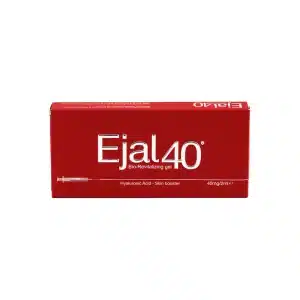

Common Side Effects of Ejal 40

Ejal 40 is a popular skin booster known for its rejuvenating effects, but like all injectable treatments, it may cause some mild, temporary side effects. Most of these are mild and short-lived, typically resolving within a few days post-treatment. Below are the common side effects of this treatment:
- Redness and swelling
- Tenderness and discomfort
- Bruising
The incidence of these side effects is generally low, and most cases improve without medical intervention. Although serious reactions are uncommon, they should be evaluated promptly by a healthcare professional.
Managing mild side effects typically involves applying ice packs, keeping the treated area clean, avoiding strenuous physical activity, and using over-the-counter pain relievers when appropriate. Clinics that order Ejal 40 online through authorized medical suppliers can also help ensure product authenticity and proper handling, supporting safe treatment outcomes.
Rare Ejal 40 Side Effects

Rare side effects can occur with Ejal 40 but don’t happen often. About 8% of people might see delayed reactions like skin redness. This problem usually goes away on its own in two to three months.
While Ejal 40 is generally well-tolerated, there are some rare side effects that patients should be aware of. These reactions are uncommon but can occur, especially if the patient has sensitivities or underlying conditions.
- Allergic reactions
- Infection
- Lumps or Nodules
The incidence of these rare Ejal 40 side effects is low. While data on reactions to Ejal 40 are limited, studies on the adverse effects of similar treatments occur in less than 0.1% of patients. Allergic reactions and infections are extremely rare, while nodule formation is more likely in patients with sensitive skin or those prone to scarring.
Management Strategies
Patients should seek medical attention immediately if any signs of an allergic reaction arise. Mild cases may be managed with antihistamines, while more severe reactions require prompt medical care. For infections, antibiotics or medical intervention may be necessary. Patients are encouraged to maintain proper hygiene before and after treatment to lower infection risk.
If lumps or nodules develop, gentle massage, when recommended by the provider, may help improve the area. Persistent nodules may require additional treatment to dissolve them. Following the provider’s aftercare instructions is also important for optimal healing and achieving the best Ejal 40 before and after results.
Safety Precautions and Best Practices
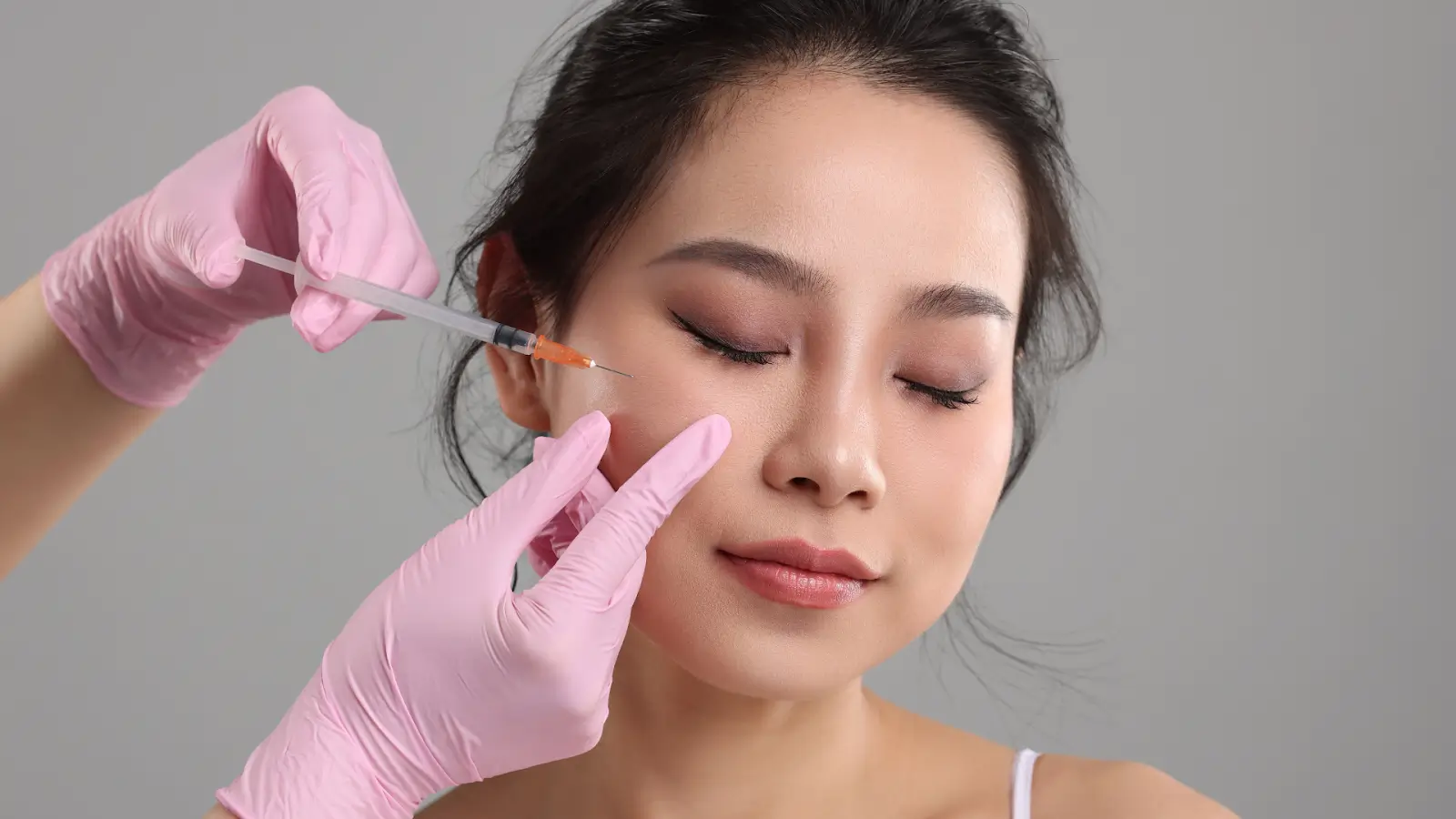
For patients receiving Ejal 40, taking certain safety precautions is essential to ensure an effective and comfortable experience. Before treatment, it’s important to inform the provider about any allergies or medical conditions, as this helps in customizing the procedure to individual needs.
When comparing skin boosters like Ejal 40 and Profhilo, it’s useful to note that while they have similar functions, Ejal 40 specifically targets skin elasticity and hydration through a distinct injection approach. This may require different pre- and post-care guidelines.
Though Ejal 40 is generally safe, it’s not recommended for everyone. People with active skin infections, autoimmune conditions, or a history of severe allergies should avoid this treatment. Likewise, those who are pregnant or breastfeeding should seek medical advice before proceeding.
To minimize Ejal 40 side effects and maximize results, patients should carefully follow aftercare instructions, such as avoiding direct sun exposure, strenuous exercise, and makeup on the treated area for at least 24 hours. Following these best practices, alongside choosing an experienced provider, can help patients achieve safe and satisfying results.
Conclusion
Ejal 40 is a popular choice for enhancing skin hydration and smoothing fine lines, though it can come with mild side effects like redness, swelling, or tenderness at the injection site. These reactions are usually short-lived and resolve on their own.
Understanding potential side effects helps patients feel prepared and ensures a smoother experience. Despite minor risks, Ejal 40 remains a reliable option for those looking to achieve healthier, more radiant skin.
FAQs
1. How should a patient prepare for an Ejal 40 treatment?
Patients should inform their provider about any allergies, medical conditions, or medications they are taking. It’s advisable to avoid alcohol and blood-thinning medications 24 hours before the treatment to reduce the risk of bruising.
2. What are the recommended aftercare steps post-treatment?
After treatment, patients should avoid direct sun exposure, intense physical activity, and makeup on the treated area for at least 24 hours. Applying a cold compress can help reduce swelling if needed, and following any specific aftercare guidelines provided by the practitioner is essential.
3. How does Ejal 40 compare to other skin boosters?
Ejal 40 and other boosters, such as Profhilo, offer skin rejuvenation benefits but differ in formulation and injection techniques. Ejal 40 is particularly beneficial for enhancing skin elasticity and hydration.
Citations
[1] Hong, G. W., Hu, H., Chang, K., et al. “Review of the Adverse Effects Associated with Dermal Filler Treatments: Part I Nodules, Granuloma, and Migration.” Diagnostics, vol. 14, no. 15, 2024, p. 1640. MDPI, https://doi.org/10.3390/diagnostics14151640
[2] “Dermal Fillers.” Cleveland Clinic, 20 Sept. 2024, https://my.clevelandclinic.org/health/treatments/22667-dermal-fillers. Accessed 5 Aug. 2026.
[3] Beauty Bar. “Ejal40 Revitalising Treatment in Hertfordshire.” Beauty Bar, n.d. Accessed 4 Nov. 2024. https://www.beauty-bar.co.uk/ejal40-revitalising-treatment-in-hertfordshire/.
The content on this page has been written and fact-checked in accordance with our Editorial Policy. Clinical claims are sourced from peer-reviewed literature, regulatory documentation, and manufacturer specifications. Where citations are provided, it is always in accordance to our editorial standards.