Your Cart is Empty
Start shopping

Skin boosters have become increasingly popular for their ability to rejuvenate skin, especially those formulated with hyaluronic acid, a powerful ingredient for enhancing hydration and elasticity. Research highlights that these treatments can make a noticeable difference in skin quality, providing a fresher, more youthful appearance.
Among the top skin boosters are Ejal 40 and Profhilo. While both are hyaluronic acid-based, they vary in formulation and application, offering distinct advantages in skin hydration and structural support.
In this article, we’ll compare Ejal 40 and Profhilo in-depth, covering their ingredients, benefits, and which product might be best suited for various skin needs.
Key Takeaways
- Ejal 40 and Profhilo both use hyaluronic acid to improve skin hydration and elasticity. Their unique formulations cater to different skin concerns.
- Ejal 40 best provides improved hydration, texture, and minor laxity. It is ideal for subtle anti-aging effects and maintaining youthful skin.
- Profhilo targets more advanced signs of aging, providing a firmer, lifted appearance by enhancing collagen and elastin production.
- Ejal 40 generally requires 3-5 sessions, while Profhilo is administered in two sessions spaced a month apart, with follow-up sessions based on skin response.
- Both have a high safety profile with minimal side effects, primarily mild redness or swelling that subsides quickly.
About: Doctor Medica is your trusted supplier of top-quality dermal fillers, viscosupplements, and a range of medical and aesthetic products for your practice. We offer authentic products from leading brands at the lowest prices. Contact Doctor Medica today!
Recommended products

Understanding Ejal 40 vs Profhilo
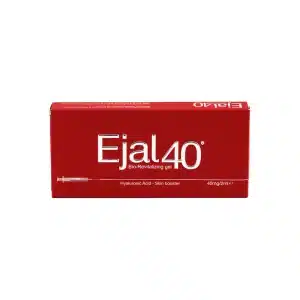
Ejal 40 is a skin booster formulated with a high concentration of hyaluronic acid (40 mg per treatment) to restore hydration, improve elasticity, and promote a smoother, more youthful-looking complexion. Its long-lasting effects, which can be seen in many Ejal 40 before-and-after results, include visible improvements in skin tone, texture, and firmness that may last six to nine months. To ensure authentic products and proper storage conditions, many licensed aesthetic clinics purchase Ejal 40 online through trusted medical distributors.
Profhilo, on the other hand, also uses hyaluronic acid (64 mg per 2 mL syringe) but is specifically formulated to stimulate natural collagen and elastin production. This dual-action approach provides deep hydration while improving skin firmness and reducing wrinkles, with results that typically last up to six months.
Formulations and Mechanisms of Action
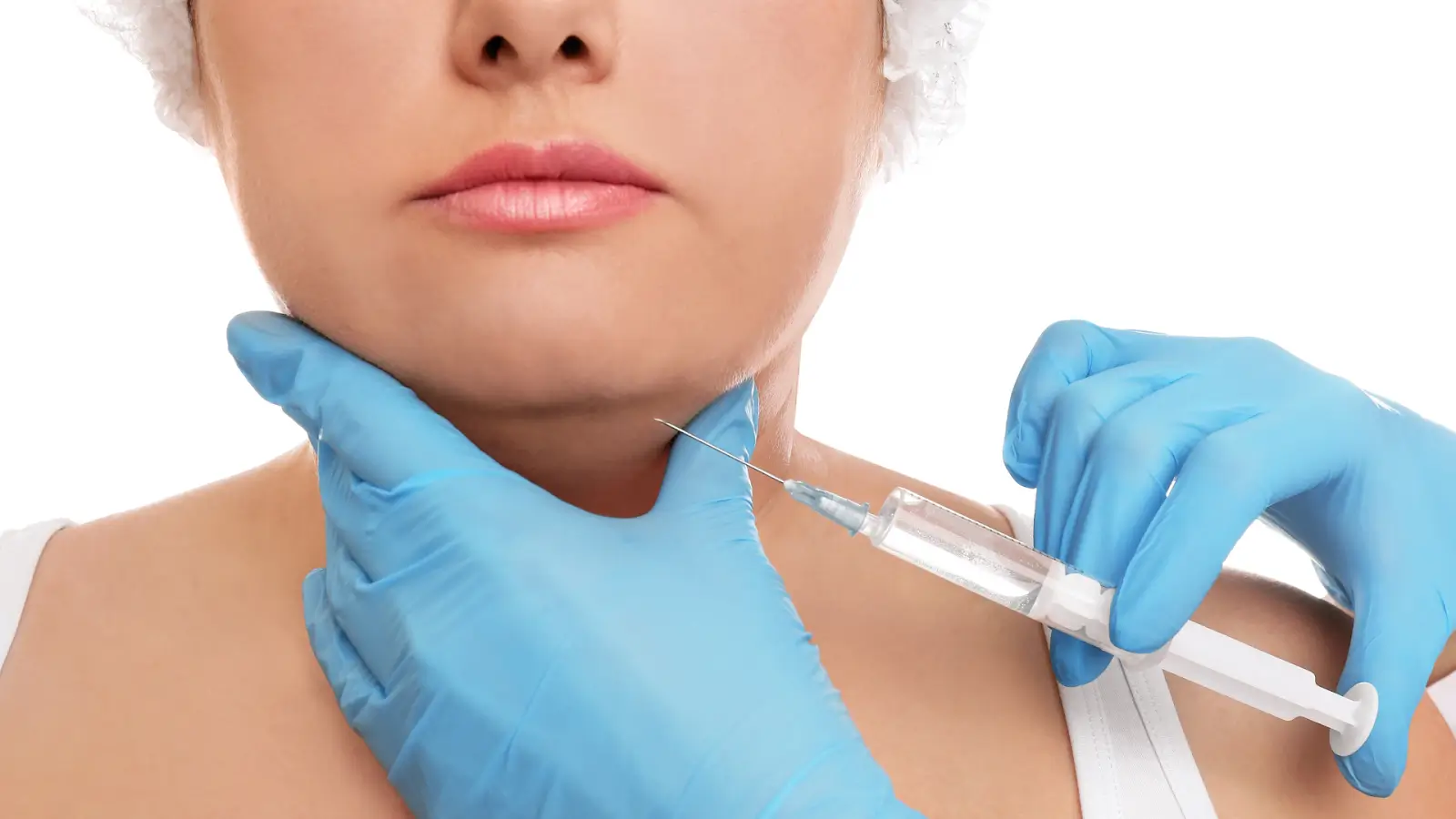
The discussion around Ejal 40 vs Profhilo often comes down to how each product uses hyaluronic acid to improve skin quality. Ejal 40 delivers 40 mg of hyaluronic acid in a formulation designed to replenish hydration, enhance skin elasticity, and support collagen remodeling. Rather than creating volume, it focuses on restoring smoother texture, softening fine lines, and improving overall skin radiance.
On the other hand, Profhilo has a unique formula. It mixes high- and low-weight hyaluronic acid, which allows it to hydrate skin deeply and smooth wrinkles better. With 32 mg of hyaluronic acid, Profhilo boosts collagen and elastin production.
Specific Indications and Benefits

Ejal 40 is ideal for individuals seeking enhanced skin hydration, texture improvement, and a subtle glow. It can treat early signs of aging, such as fine lines, minor skin laxity, and dullness. Ejal 40’s high hyaluronic acid content helps improve elasticity, making it especially effective for those looking to maintain a fresh and youthful complexion without dramatic changes.
Profhilo, by comparison, is typically recommended for more advanced signs of skin aging, such as moderate wrinkles, noticeable skin laxity, and dehydration. Its unique hybrid hyaluronic acid formulation stimulates collagen and elastin production, providing a lifting and tightening effect that enhances skin firmness and elasticity.
Clinical Efficacy and Treatment Protocols
When looking at Ejal 40 vs Profhilo, both treatments are well known for improving skin quality and rejuvenation, but they work in slightly different ways and follow different treatment approaches. This results in smoother, more elastic skin and reduces signs of aging, such as fine lines and wrinkles.
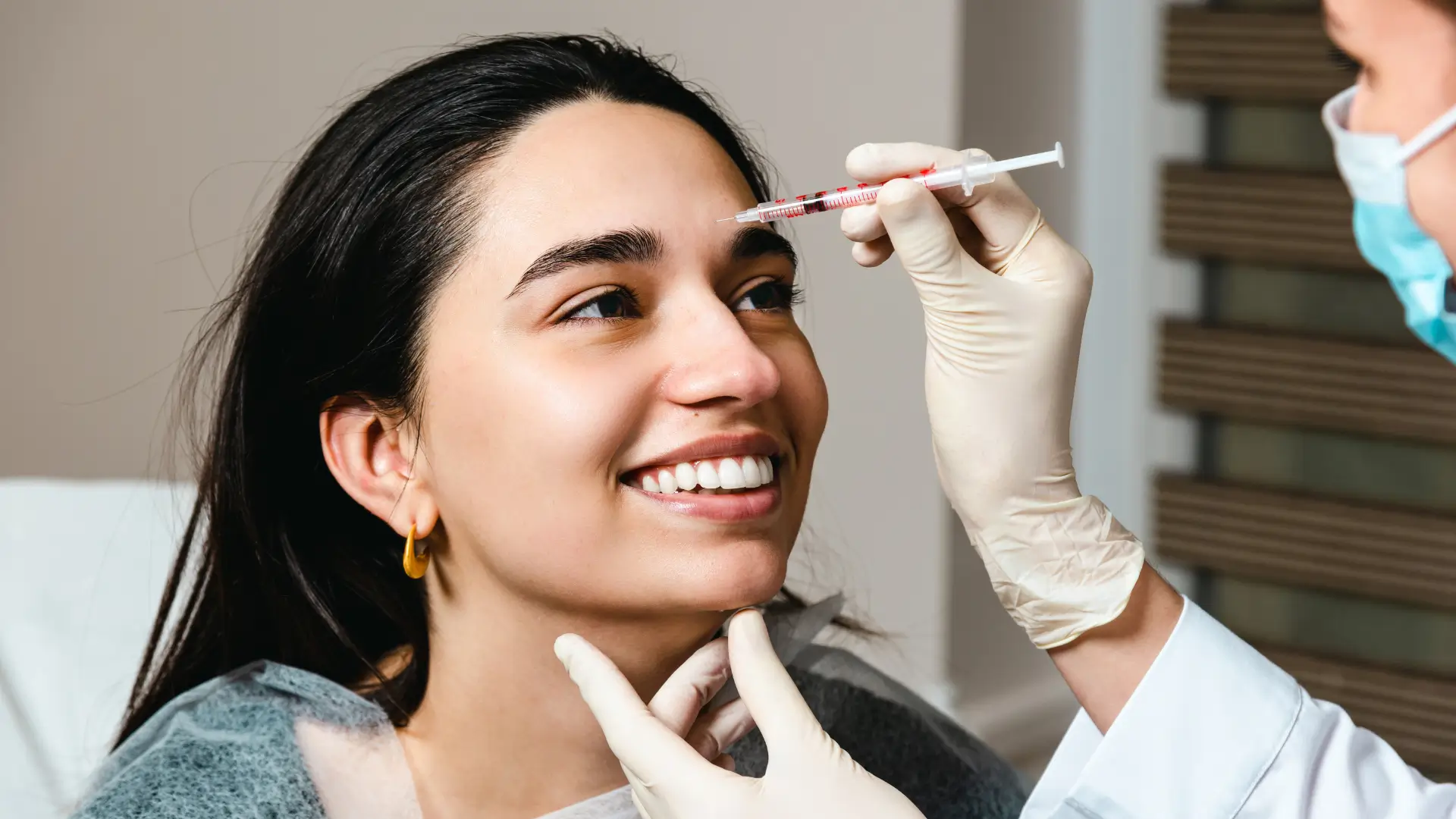
This treatment involves injecting Ejal 40 into 4 Bio Revitalization Points (4 BPR) on each side of the face. Each point receives 0.25 ml of the product using a 30G needle. To achieve optimal results, the procedure is typically repeated every 4 weeks for 3 to 5 sessions.
At the same time, Profhilo has also demonstrated impressive clinical efficacy in enhancing skin firmness, reducing fine lines, and boosting hydration, particularly in areas with more noticeable laxity. Profhilo administration utilizes the Bio Aesthetic Points (BAP) technique, which involves injecting the product into 5 specific points on each side of the face.
This method ensures an even distribution of the product and provides an overall rejuvenating effect. The treatment is usually performed in a series of sessions spaced about a month apart to achieve the best results.
Safety Profiles and Potential Side Effects
Both products come from high-quality hyaluronic acid, which reduces the risk of serious Ejal 40 side effects. The most common reactions include mild redness, swelling, or tenderness around the injection site, typically resolving within a few hours to a couple of days. Minor bruising may occur, but this is generally short-lived and mild.
Ejal 40’s purity makes it safe for most skin types, though patients with a history of allergic reactions to hyaluronic acid should always consult a professional before treatment. Similarly, Profhilo’s biocompatible formulation works best for those looking to enhance skin hydration and firmness with minimal side effects.
As with any injectable, qualified practitioners should be the only ones to administer the treatment. They can help patients manage temporary reactions and ensure a safe and comfortable experience.
Conclusion
Ejal 40 and Profhilo are both powerful options for achieving youthful, refreshed skin, each with unique advantages. Both treatments work to reduce fine lines and improve skin texture by stimulating collagen and elastin production, which supports a firmer, more radiant complexion.
When deciding between Ejal 40 vs Profhilo, the best option depends on your skin concerns, treatment goals, and the results you hope to achieve. A consultation with a qualified aesthetic practitioner can help determine which treatment is better suited to deliver natural-looking, long-lasting skin rejuvenation.
FAQs
1. What are Ejal 40 and Profhilo?
Ejal 40 and Profhilo are injectable skin boosters containing hyaluronic acid, designed to improve hydration, firmness, and overall skin quality.
2. How do Ejal 40 and Profhilo differ?
Ejal 40 contains a higher concentration of hyaluronic acid, ideal for hydration and subtle rejuvenation. Profhilo combines high and low molecular weights of hyaluronic acid, targeting more advanced aging with firmer, lifted skin results.
3. Which product lasts longer: Ejal 40 or Profhilo?
Both treatments offer results lasting approximately six months. Ejal 40 can last up to nine months, depending on skin type and care routines, while Profhilo’s effects typically last around six months.
Citations
Ghatge, A. S., and Ghatge, S. B. “The Effectiveness of Injectable Hyaluronic Acid in the Improvement of the Facial Skin Quality: A Systematic Review.” Clinical, Cosmetic and Investigational Dermatology, vol. 16, 2023, pp. 891–899. Dove Medical Press, https://doi.org/10.2147/CCID.S404248.
Beauty Bar. “Ejal40 Revitalising Treatment in Hertfordshire.” Beauty Bar, n.d. Accessed 4 Nov. 2024. https://www.beauty-bar.co.uk/ejal40-revitalising-treatment-in-hertfordshire/.
The content on this page has been written and fact-checked in accordance with our Editorial Policy. Clinical claims are sourced from peer-reviewed literature, regulatory documentation, and manufacturer specifications. Where citations are provided, it is always in accordance to our editorial standards.