Your Cart is Empty
Start shopping

Dermal fillers have become increasingly popular, with the global market projected to reach $12.2 billion by 2030. These non-invasive treatments, designed to combat signs of aging, have shown significant growth due to their effectiveness in enhancing facial features and reducing wrinkles.
Ellanse, a leading product in the dermal filler market, stands out for its dual-action benefits. This filler combines polycaprolactone (PCL) microspheres with a carboxymethyl cellulose (CMC) gel carrier to stimulate collagen production and provide immediate volume restoration. This unique mechanism ensures long-lasting results, making Ellanse a preferred choice for those seeking sustained facial rejuvenation.
This article explores essential steps for Ellanse aftercare, including practical measures for managing expected reactions, protecting the treated skin, and recognizing symptoms that may require medical attention. Proper post-treatment care can support recovery while helping patients maintain realistic expectations about the evolving results.
Key Takeaways
- Ellanse combines an initial volumizing effect with gradual collagen stimulation, although the duration of results varies among patients and treatment protocols.
- Appropriate Ellanse aftercare can help manage temporary swelling, bruising, tenderness, and other common injection-site reactions.
- Patients are generally advised to minimize strenuous activity, excessive heat, and unnecessary pressure on treated areas during the early recovery period, according to their practitioner’s instructions.
- Gentle skincare and sun protection can support overall skin health, while more intensive procedures should generally be postponed until the treated area has settled.
About: Doctor Medica is your trusted supplier of top-quality dermal fillers, viscosupplements, and more for your medical practice. We offer genuine products from leading brands at the lowest prices in the market.
Understanding Ellanse Treatment Aftercare

Ellanse is a PCL-based injectable used in aesthetic medicine to provide an initial volumizing effect while supporting gradual collagen remodeling. Unlike hyaluronic acid fillers, PCL-based products cannot be dissolved with hyaluronidase, making appropriate patient assessment and treatment planning particularly important.
The Ellanse composition includes PCL microspheres suspended in a CMC gel carrier. The carrier contributes to the initial volumizing effect, while the PCL component is associated with a longer-term tissue-remodeling response. The extent and duration of these effects vary according to the specific product, injection technique, treatment site, and patient characteristics. [2,3]
Proper Ellanse aftercare focuses primarily on allowing injection sites to settle while managing temporary reactions. Practitioners should provide individualized instructions based on the treated area and the patient’s circumstances rather than applying identical recovery rules to every procedure.
Immediate Ellanse Aftercare Steps
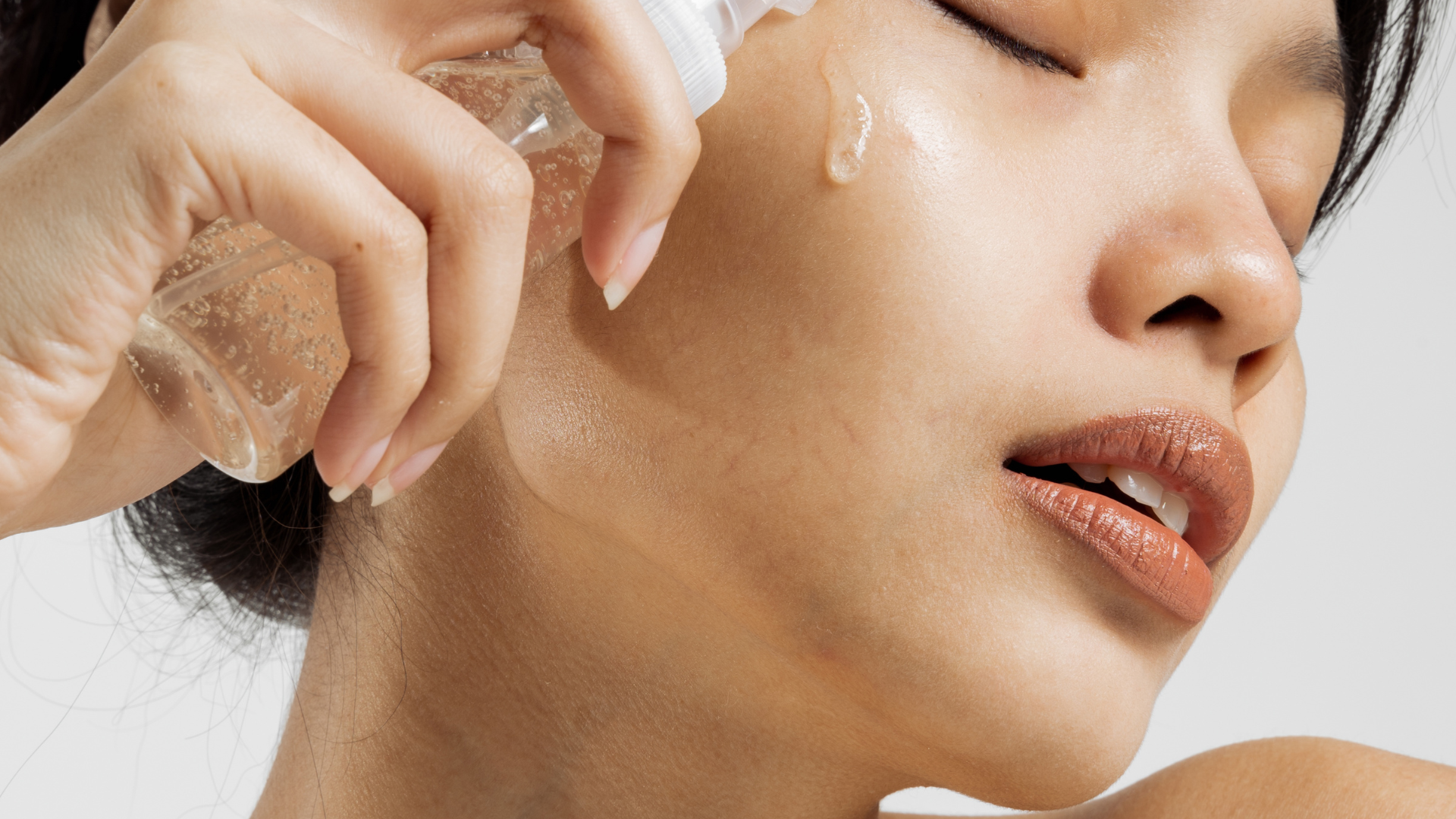
After Ellanse treatment, patients should avoid strenuous activities such as hard workouts, running, and heavy lifting for at least two days to allow the body to heal without added stress. Activities that raise the heart rate can increase swelling and bruising in the treated areas.
Limiting alcohol intake is also crucial during this time, as alcohol can cause more swelling and slow down the healing process. By keeping these activities to a minimum, patients can prevent complications and ensure a smoother recovery after their Ellanse treatment.
Protecting the skin from sun exposure post-treatment is vital. Avoid direct sunlight and UV lamps until all swelling and redness subside. Shielding the skin from harmful UV rays prevents unwanted side effects. If going outside is necessary, using a high-SPF sunscreen provides extra protection for the healing skin.
Using ice packs can help reduce swelling. Cold packs effectively tackle inflammation, especially within the first 24 hours of Ellanse treatment. Gentle massage twice daily for a week can also support faster recovery. Additionally, avoid extreme temperatures for 48 hours post-treatment and refrain from alcohol for 12-48 hours to manage common post-treatment symptoms.
Skincare Routine After Ellanse Treatment
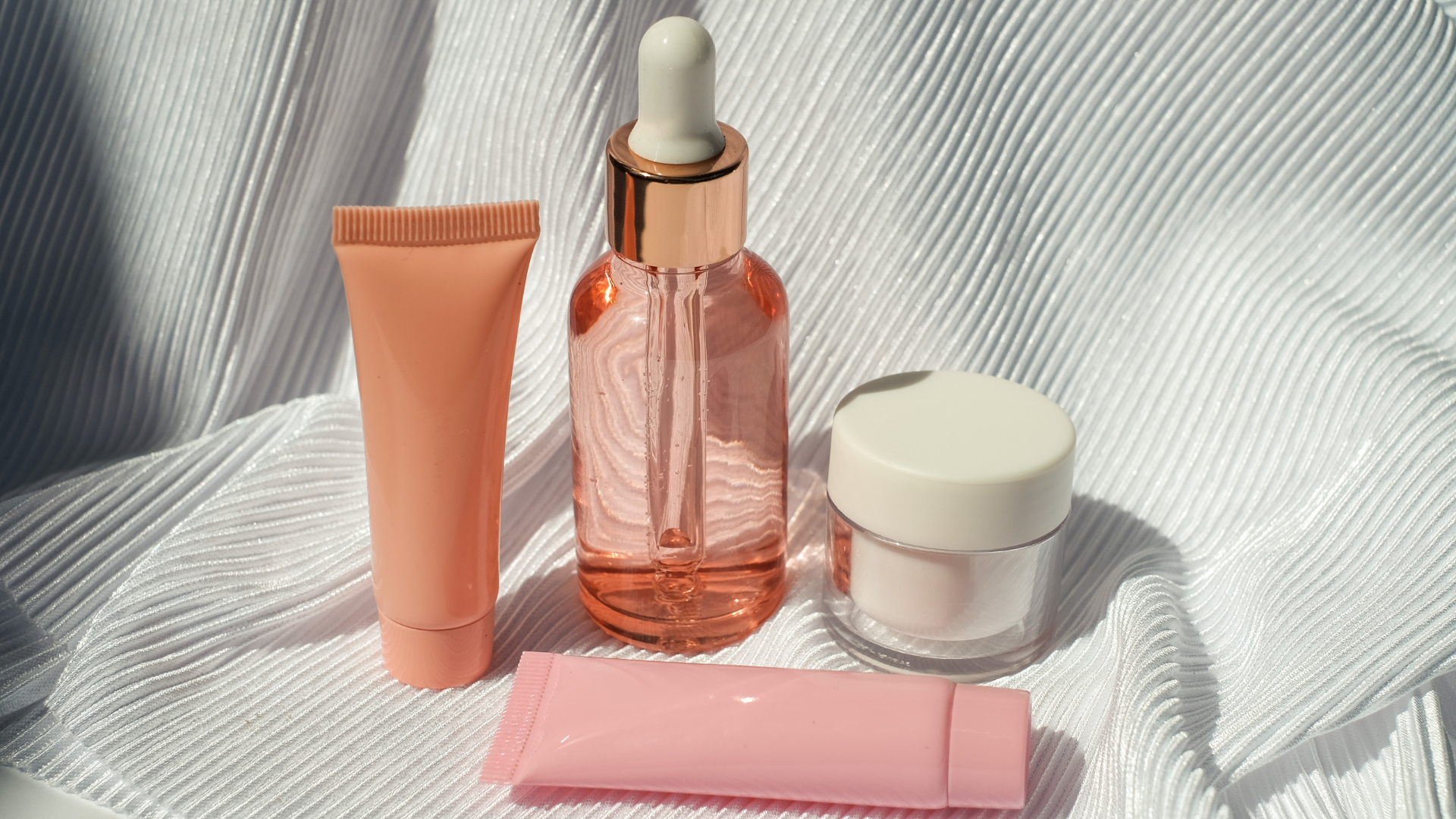
Gentle cleansers and moisturizers are essential after Ellanse treatments. These non-irritating products help enhance outcomes and reduce side effects. It is crucial to start with a skincare regimen that includes gentle products before undergoing filler treatments.
Including antioxidants in your skincare routine can protect against environmental damage. Daily sunscreen use is also essential to maintain the youthful look achieved by Ellanse fillers. [2] Use broad-spectrum SPF 30 or higher to shield the skin from harmful UV rays, protecting and enhancing the rejuvenated skin.
Avoid harsh exfoliants and chemical peels after Ellanse treatments, as they can irritate the skin and increase sensitivity. Keeping the skin calm helps speed up recovery. A gentle massage of the area twice daily for the first week can aid healing.
Makeup should be avoided for at least 24 hours post-treatment to prevent infection and allow the skin to breathe. Additionally, avoiding alcohol, doing heavy workouts, sunbathing, and staying in extreme temperatures for two days will protect your healing skin.
Managing Common Post-Treatment Symptoms
Swelling is a common temporary reaction following injectable treatments, including Ellanse tear trough. A cold compress wrapped in a clean cloth may help provide comfort during the first period after treatment. Patients should avoid excessive pressure when applying anything to the treated area.
Elevating the head while sleeping may be recommended when facial swelling is present. Patients can also temporarily avoid strenuous exercise and significant heat exposure if these activities worsen swelling or discomfort.
Bruising can also occur after injections, particularly in areas with a rich blood supply or where the skin is thin. Patients taking anticoagulants, antiplatelet drugs, or supplements that may affect bleeding should discuss their medication and supplement use with their healthcare provider. Prescribed medications should not be discontinued solely for cosmetic treatment unless the prescribing clinician provides appropriate instructions.
Some patients may ask about topical products or supplements marketed for bruising. These should be discussed with the treating practitioner, particularly when the treatment area is sensitive or close to the eyes. The safest approach is to avoid introducing unnecessary products to recently treated skin without professional guidance.
When to Seek Medical Attention for Severe Symptoms
While mild swelling and bruising are common, monitoring for severe symptoms is essential. Seek medical attention if you experience intense pain, significant swelling that doesn’t subside, or signs of infection, such as increased redness, warmth, or pus at the injection site.
Difficulty breathing, severe headaches, or changes in vision are critical symptoms requiring immediate medical evaluation. These could indicate rare but serious complications, emphasizing the importance of closely following your healthcare provider’s post-treatment care instructions.
Educating Patients on Proper Ellanse Aftercare
Communicating clear Ellanse aftercare instructions is an important part of treatment planning. Patients should understand which reactions may occur during normal recovery, which activities may need to be temporarily limited, and when they should contact their healthcare provider.
Practitioners can provide written guidance covering activity restrictions, skincare, sun exposure, swelling management, and warning signs. Rather than recommending a fixed recovery schedule for every patient, instructions should account for the injection site, amount treated, technique used, and the patient’s individual response.
It is also important to address common concerns about swelling, bruising, tenderness, asymmetry, and the gradual development of results. The initial appearance may change as post-treatment swelling resolves, while the collagen-remodeling component develops over time. Patients should therefore understand that early appearance does not necessarily represent the final outcome.
Healthcare professionals should also explain that additional treatment should be considered only after adequate assessment of the initial result and tissue response. Appropriate follow-up allows practitioners to evaluate healing, address concerns, and identify uncommon complications at an early stage.
Conclusion
Appropriate Ellanse aftercare can help patients navigate the early recovery period while supporting a comfortable treatment experience. Gentle skincare, sensible activity modification, protection from excessive sun and heat, and careful monitoring of treated areas are useful components of individualized post-treatment guidance.
Patients should also understand that results can evolve as temporary swelling resolves and collagen remodeling progresses. Following the treating practitioner’s instructions and seeking medical attention for unusual or severe symptoms can help support appropriate recovery and complication management.
FAQs
1. What is Ellanse aftercare?
Ellanse aftercare refers to the post-treatment measures used to support recovery following an Ellanse injection. These may include activity modification, gentle skincare, swelling management, sun protection, and monitoring for unusual symptoms.
2. Are there specific steps for Ellanse aftercare?
After an Ellanse treatment, avoiding intense heat or cold exposure is crucial. Limit strenuous activities and keep your skin clean, too!
3. Why is following these aftercare steps so necessary?
Proper care helps minimize potential side effects. It also ensures you get the best possible outcome from your treatment: smoother skin and lasting results
4. Can I use my regular skincare products during the aftercare period?
You should consult your healthcare provider before using any products in treated areas. Some ingredients may not be suitable right after treatment.
Citations
[1] Global Dermal Fillers Market Size and Outlook. 26 Aug. 2026, www.grandviewresearch.com/horizon/outlook/dermal-fillers-market-size/global.
[2] De Melo, Francisco, et al. “Recommendations for Volume Augmentation and Rejuvenation of the Face and Hands With the New Generation Polycaprolactone-based Collagen Stimulator (Ellansé®).” Clinical Cosmetic and Investigational Dermatology, vol. Volume 10, Nov. 2017, pp. 431–40. https://doi.org/10.2147/ccid.s145195.
[3] Chen, Qiyue, and Yongshu Wang. “Ellansé: Advanced Technology and Advantageous Selection of New Collagen Stimulating Agents for Face Rejuvenation.” Aesthetic Plastic Surgery, vol. 48, no. 10, Feb. 2024, pp. 1977–84. https://doi.org/10.1007/s00266-023-03761-w.
[4] Kim, Sooyoung, et al. “A Consistent Skin Care Regimen Leads to Objective and Subjective Improvements in Dry Human Skin: Investigator-blinded Randomized Clinical Trial.” Journal of Dermatological Treatment, vol. 33, no. 1, Apr. 2020, pp. 300–05. https://doi.org/10.1080/09546634.2020.1751037.
The content on this page has been written and fact-checked in accordance with our Editorial Policy. Clinical claims are sourced from peer-reviewed literature, regulatory documentation, and manufacturer specifications. Where citations are provided, it is always in accordance to our editorial standards.