Your Cart is Empty
Start shopping

Tear trough deformities can make people appear tired or older than their actual age. These sunken or hollow areas beneath the eyes may become more noticeable with age as soft-tissue volume and skin support change. However, under-eye darkness and hollowing can have multiple causes, so treatment should be tailored to the patient’s individual anatomy and concerns.
Ellanse is a collagen-stimulating injectable containing polycaprolactone (PCL) microspheres suspended in a carboxymethylcellulose (CMC) gel carrier. Its initial volumizing effect is combined with a longer-term tissue-remodeling response. Unlike hyaluronic acid (HA) fillers, PCL microspheres cannot be dissolved with hyaluronidase in the same manner, which makes appropriate product selection and injection planning particularly important.
Because the infraorbital region has thin tissue and complex vascular anatomy, an Ellanse tear trough treatment requires careful patient selection and advanced knowledge of the area. This article explores tear trough deformities, the characteristics of Ellanse, treatment considerations, expected outcomes, and appropriate aftercare.
Key Takeaways
- Tear trough deformities can result from volume loss, anatomy, skin changes, pigmentation, or shadowing, so treatment should begin with an individualized assessment.
- Ellanse combines PCL microspheres with a CMC gel carrier, providing an initial volumizing effect alongside a gradual collagen-remodeling response.
- Ellanse tear trough treatment requires particular caution because the infraorbital region contains important vessels and other delicate anatomical structures.
- Treatment planning should account for patient anatomy, skin quality, previous procedures, and the underlying cause of the under-eye concern.
- Results and longevity vary according to the specific formulation, technique, treatment area, and individual patient factors.
About: Doctor Medica is your trusted supplier of top-quality dermal fillers, viscosupplements, and more for your medical practice. We offer genuine products from leading brands at the lowest prices in the market.
What is Ellanse and How Does it Work for Tear Troughs?
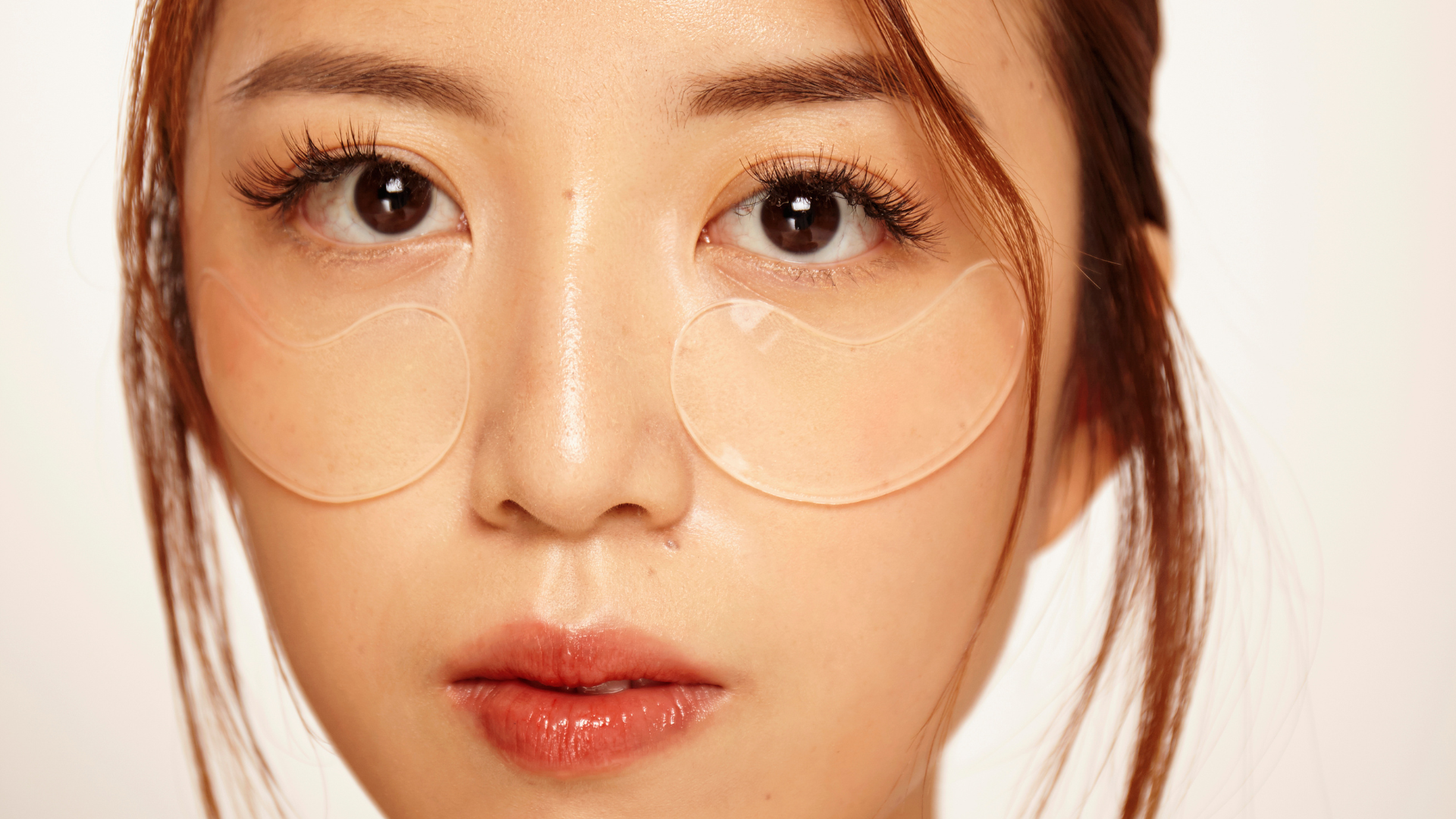
Ellanse is a PCL-based collagen-stimulating injectable. Published descriptions of the formulation report PCL microspheres suspended in a CMC gel carrier. [2] The gel contributes to the initial volumizing effect, while the PCL component is intended to support gradual collagen remodeling.
This mechanism differs from HA fillers, which primarily provide volume through cross-linked HA gel. Because PCL-based fillers cannot be reversed using hyaluronidase in the same way as HA fillers, careful assessment and conservative treatment planning are particularly important.
For Ellanse tear trough treatment, the objective may be to improve the appearance of structural hollowing beneath the eyes. However, tear troughs and dark circles are not interchangeable concerns. Pigmentation, visible vessels, skin transparency, edema, and shadows caused by facial anatomy can all contribute to an under-eye appearance.
The PCL component may support changes in tissue structure over time, but evidence from studies involving other facial areas should not automatically be interpreted as proof of equivalent results or safety in the infraorbital region.
Practices that buy Ellanse wholesale may incorporate its collagen-stimulating properties into rejuvenation strategies where gradual changes in skin support are part of the desired outcome.
The Treatment Procedure of Ellanse Tear Trough
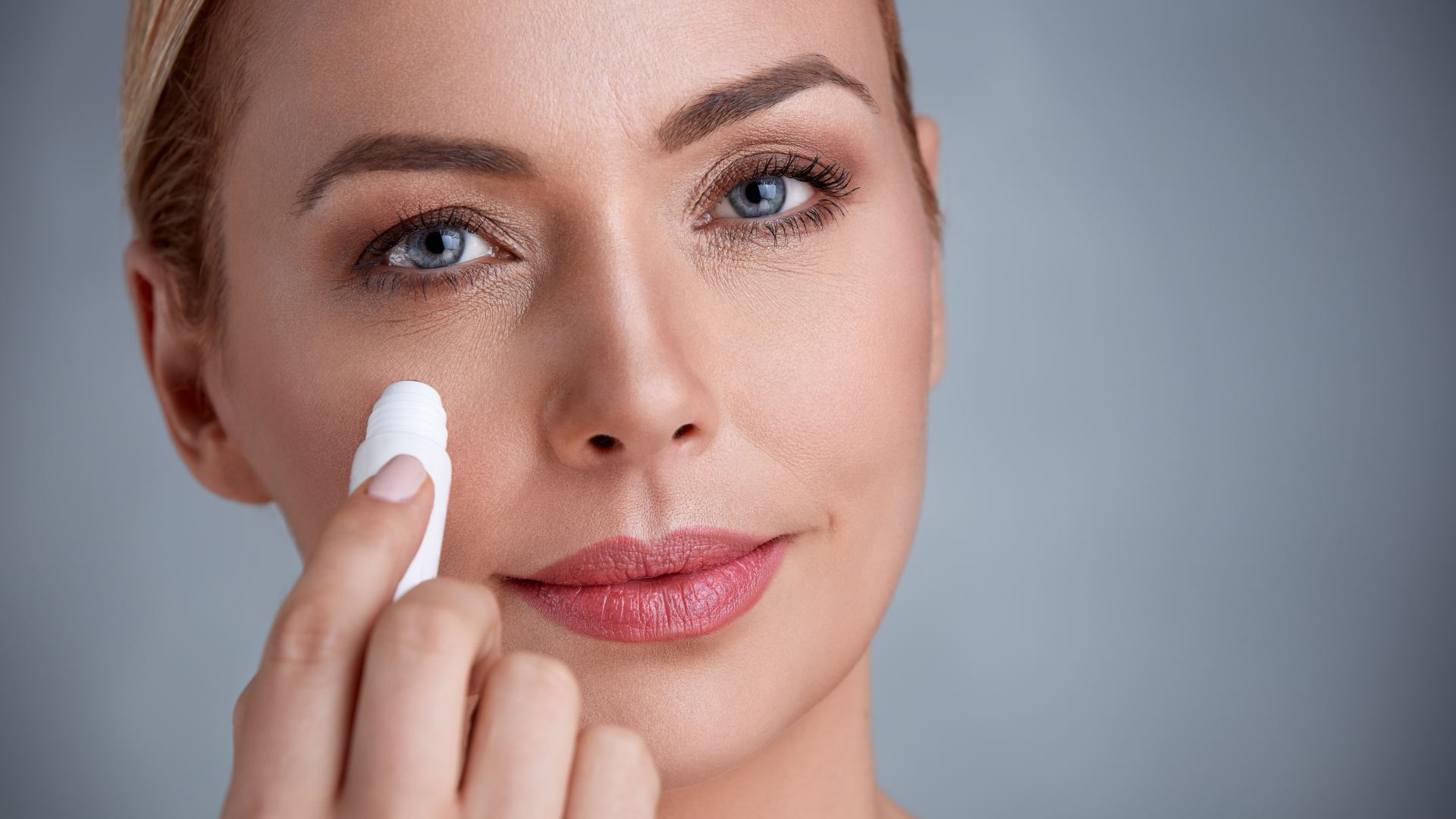
Ellanse is a dermal filler that promotes collagen growth in the tear-trough area. This treatment takes about 30 minutes and has no downtime, making it an excellent option for facial rejuvenation.
- The consultation begins with assessing the patient’s skin condition and discussing their goals. This step ensures Ellanse is the right choice for addressing concerns like worry lines, frown lines, nasolabial folds, marionette lines, loose skin, acne scarring, and facial contouring.
- The medical professional cleans the treatment area to prevent infection and ensure a safe procedure.
- Topical anesthesia may be applied to minimize discomfort during the injection process.
- Ellanse filler is injected into the targeted areas beneath the skin using a fine needle or cannula. Precision is critical to achieving natural-looking results and avoiding areas unsuitable for treatment, like the lips.
- The injector will massage the treated area gently to distribute the filler evenly.
- Patients receive aftercare instructions to follow post-treatment, usually including avoiding strenuous activities for a short period.
Ellanse aftercare typically involves avoiding unnecessary pressure or manipulation of the treated area and following individualized instructions regarding exercise, heat exposure, skincare, and other activities. Patients should also be informed about expected swelling or bruising and advised to contact their practitioner if unusual or worsening symptoms occur.
Patient Selection Criteria
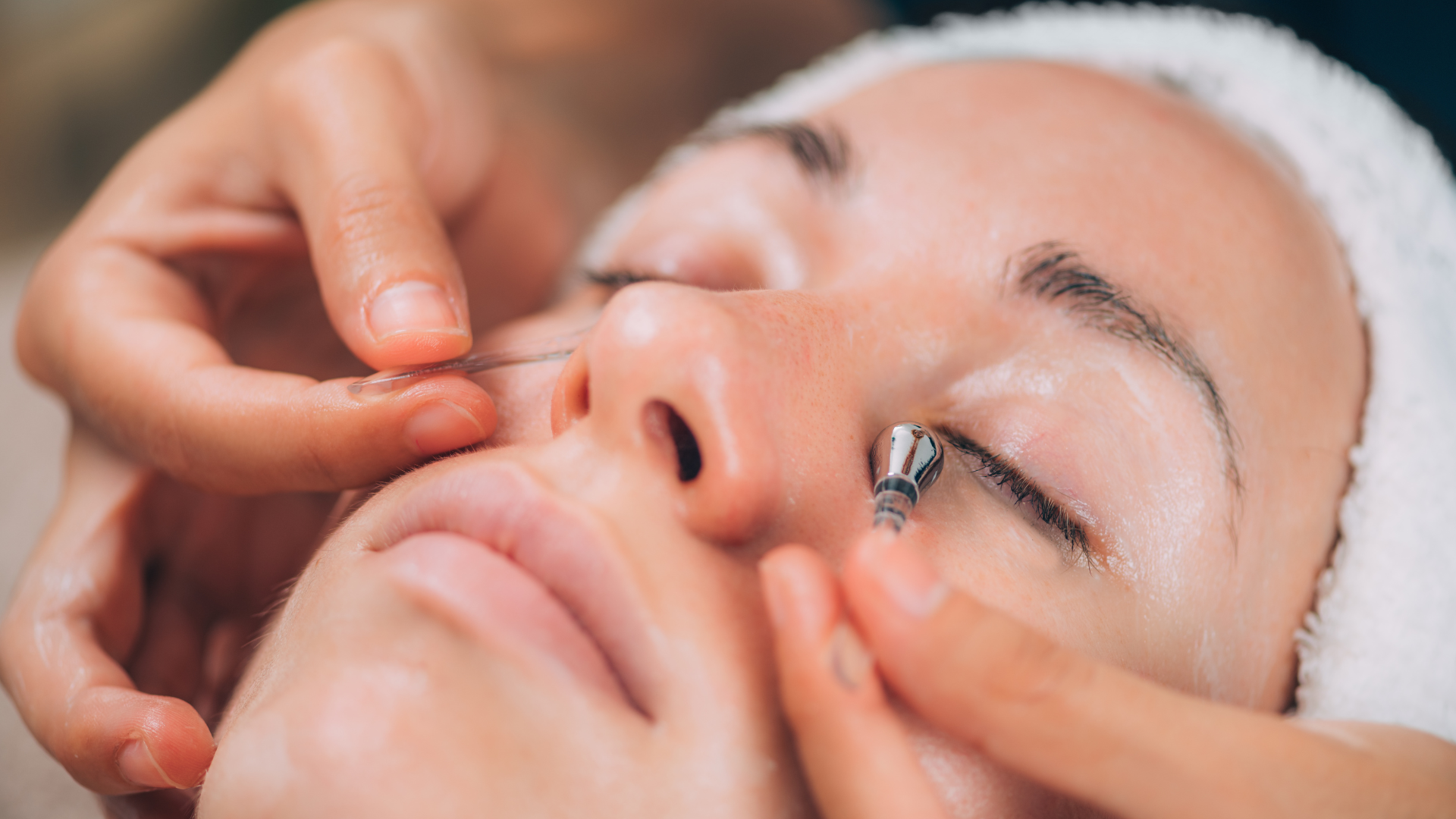
Patients considering Ellanse tear trough treatment should first undergo an assessment to determine the primary cause of their under-eye appearance. Structural hollowing may be appropriate for a volume-restoration approach, whereas pigmentation or significant skin laxity may require different interventions.
Patients should have realistic expectations and understand that treatment may soften the appearance of a hollow without completely eliminating dark circles. Individuals with active infection or inflammation near the intended treatment site may need to postpone treatment.
The practitioner should review relevant allergies or hypersensitivity, medical conditions, medications, and previous injectable treatments. Existing edema, festoons, pronounced skin laxity, or anatomical characteristics that could increase the risk of an unsatisfactory result should also be considered.
Ellanse is not automatically appropriate for every under-eye concern. Unlike HA fillers, PCL-based products do not have an equivalent enzymatic reversal option, making product selection particularly important in the periocular region.
For patients seeking broader rejuvenation, practitioners may consider other treatment areas when clinically appropriate. For example, Ellanse for hands can address age-related volume loss in a different anatomical setting, but its treatment considerations should not be extrapolated to the tear trough.
Expected Outcomes and Results
Patients may notice an initial change following treatment because of the volumizing effect of the carrier gel. However, early swelling can also temporarily alter the appearance of the under-eye area, meaning the immediate post-injection appearance should not be considered the final result.
As the treated area settles, the PCL component may contribute to gradual collagen remodeling. The extent of improvement depends on the patient’s anatomy, baseline tissue characteristics, product selection, injection technique, and individual response.
The longevity of Ellanse tear trough results should not be presented as a fixed period for every patient. Published research on PCL-based fillers has demonstrated sustained aesthetic improvement in selected applications, but results from other anatomical areas do not establish a universal duration for infraorbital treatment. [2]
Follow-up allows the practitioner to assess the developing result and determine whether any additional intervention is appropriate. Additional treatment should not be performed simply because an expected timeframe has elapsed; the patient’s clinical response and aesthetic objectives should guide further decisions.
Conclusion
Ellanse combines an initial volumizing effect with a collagen-stimulating mechanism, offering a different approach from conventional HA fillers. However, the infraorbital region is particularly delicate, and not every tear trough or dark-circle concern is suitable for PCL-based treatment.
A successful Ellanse tear trough treatment depends on careful patient selection, detailed anatomical knowledge, appropriate product and technique selection, and realistic expectations. Because PCL-based fillers cannot be dissolved with hyaluronidase in the same manner as HA fillers, conservative planning and appropriate complication management are especially important.
FAQs
1. What do Ellanse tear trough treatments do?
Ellanse tear trough treatment involves filling and smoothing out the areas under your eyes, known as tear troughs.
2. How effective are these treatments?
Ellanse tear trough treatments are highly effective. They improve under-eye appearance and stimulate long-term collagen production, resulting in smoother and more youthful skin.
3. Is the Ellanse tear trough treatment safe?
Yes, it’s considered safe when done by an experienced professional. However, risks, such as any medical procedure, may be involved, which should be discussed with your healthcare provider.
4. How long do results from an Ellanse tear trough treatment last?
Results vary depending on individual factors such as skin type and age, but they typically last 12 months or longer.
Citations
[1] Nakra, Tanuj, et al. “Infraorbital Dark Circles: A Review of the Pathogenesis, Evaluation and Treatment.” Journal of Cutaneous and Aesthetic Surgery, vol. 9, no. 2, 2016, p. 65, https://doi.org/10.4103/0974-2077.184046.
[2] De Melo, Francisco, et al. “Recommendations for Volume Augmentation and Rejuvenation of the Face and Hands With the New Generation Polycaprolactone-based Collagen Stimulator (Ellansé®).” Clinical Cosmetic and Investigational Dermatology, vol. Volume 10, Nov. 2017, pp. 431–40. https://doi.org/10.2147/ccid.s145195.
[3] Pavicic, Tatjana, and David Funt. “Dermal Fillers in Aesthetics: An Overview of Adverse Events and Treatment Approaches.” Clinical Cosmetic and Investigational Dermatology, vol. 6, Dec. 2013, p. 295. https://doi.org/10.2147/ccid.s50546.
The content on this page has been written and fact-checked in accordance with our Editorial Policy. Clinical claims are sourced from peer-reviewed literature, regulatory documentation, and manufacturer specifications. Where citations are provided, it is always in accordance to our editorial standards.