Your Cart is Empty
Start shopping

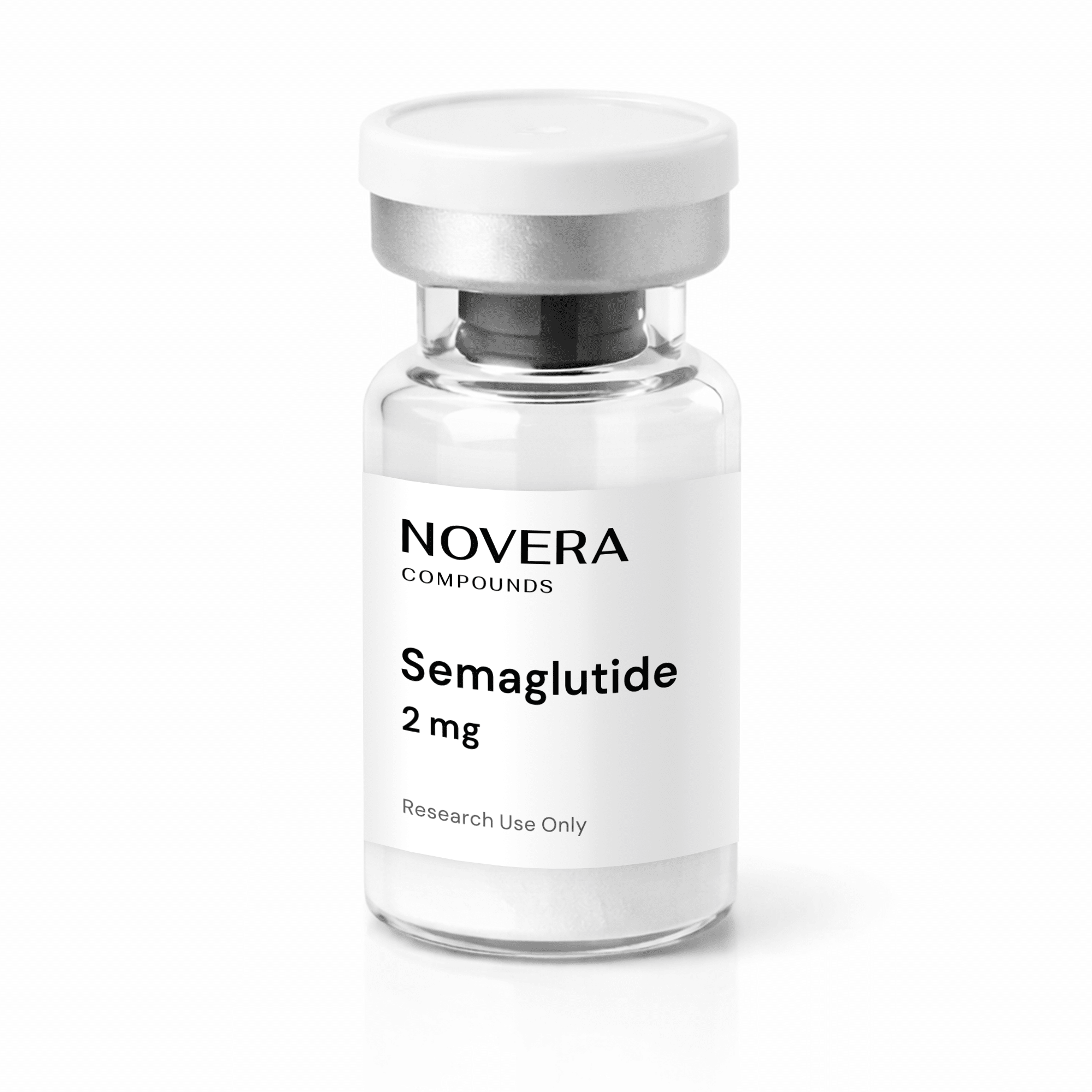
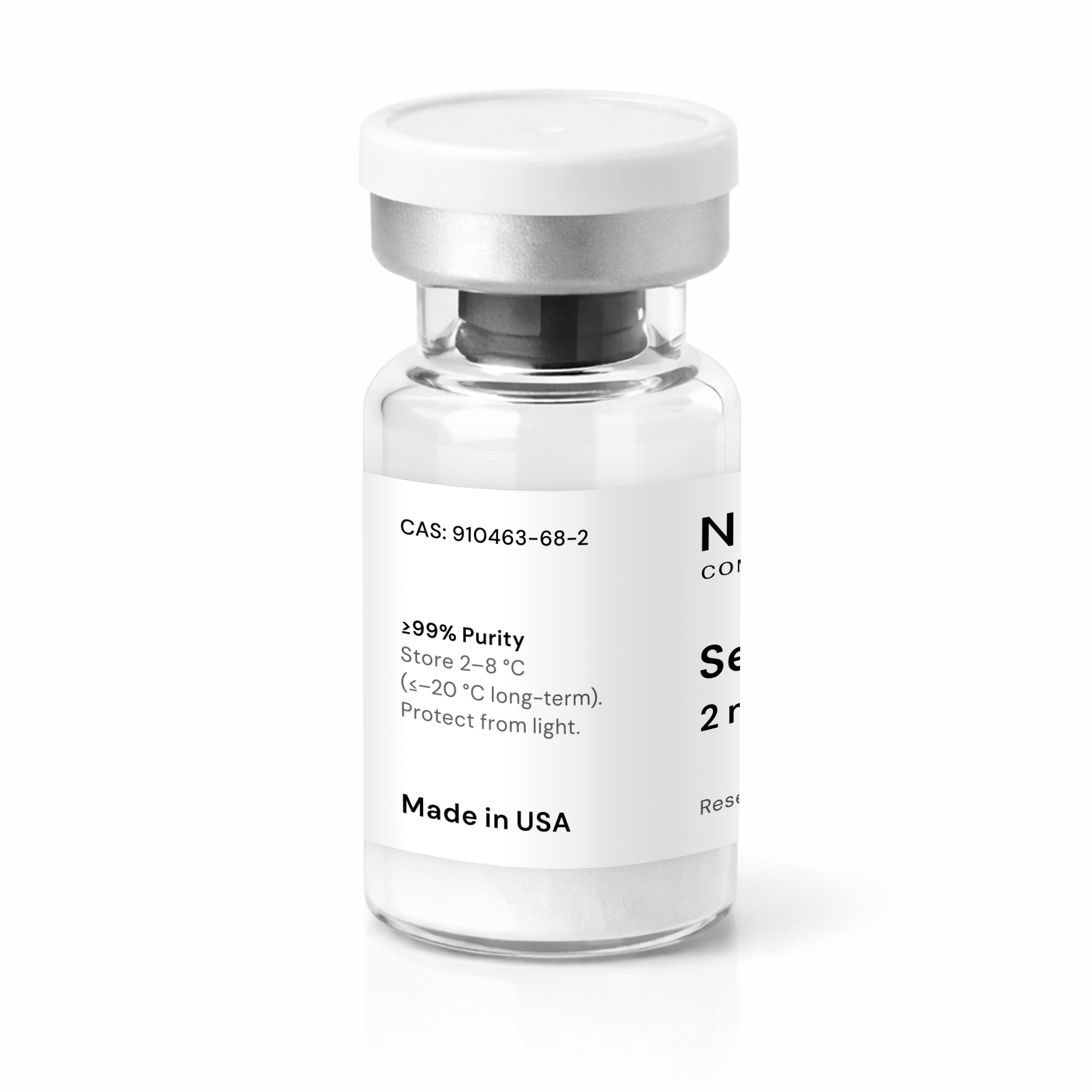
Semaglutide 2mg
Coming Soon
This peptide will be available soon. Join the waitlist to be notified when it launches.
Tier
| Packs | Discount (%) | For Each |
|---|---|---|
| 1 - 5 | — | $38.00 |
| 6 - 10 | 2.63 % | $37.00 |
| 11 - 20 | 5.26 % | $36.00 |
| 21+ | 7.89 % | $35.00 |
Product description
What is Semaglutide 2mg?
Semaglutide 2mg is a synthetically manufactured GLP-1 analogue extensively studied in research environments as a long-acting glucagon-like peptide-1 receptor agonist. This peptide belongs to the class of GLP-1 receptor agonists, which are designed to mimic the functional properties of the native human glucagon-like peptide-1 hormone while offering enhanced stability and extended half-life. Structurally, semaglutide consists of 31 amino acids with key modifications that distinguish it from native GLP-1. These include an α-aminoisobutyric acid (Aib) substitution at position 8, which renders the peptide resistant to degradation by dipeptidyl peptidase-4 (DPP-4), and an acylated lysine side chain at position 26 bearing a C18 fatty-acid modification. The peptide shares 94% sequence homology with human GLP-1(7-37). With a molecular weight of approximately 4113.6 g/mol and chemical formula of C187H291N45O59, semaglutide has a well-defined analytical profile suitable for controlled research applications. Research-grade material is typically supplied as a lyophilized powder with ≥98–99% purity verified through high-performance liquid chromatography (HPLC) and mass spectrometry analysis. Researchers purchasing semaglutide peptide formulations rely on these standardized specifications to maintain experimental consistency across in vitro and in vivo investigations.What are the key features of Semaglutide 2mg?
Semaglutide 2mg is characterized by a highly stable molecular structure and predictable biochemical behavior suitable for laboratory research protocols. The peptide is supplied as a lyophilized (freeze-dried) powder in sealed vials, allowing researchers to prepare precise concentrations for experimental work using sterile reconstitution techniques. Key features include:- ≥98–99% purityconfirmed by HPLC and mass spectrometry analysis
- Lyophilized powder formatfor enhanced stability and controlled reconstitution
- 31 amino acidswith targeted structural modifications enhancing enzymatic resistance
- Extended half-life(~7 days) minimizing degradation in research conditions due to DPP-4 resistance
- Consistent analytical verificationvia mass spectrometry, HPLC, and peptide mapping
- Versatilityacross in vitro cellular studies, preclinical animal models, and molecular research systems
How is Semaglutide 2mg synthesized?
Semaglutide 2mg is produced using solid-phase peptide synthesis (SPPS), a well-established method where amino acids are sequentially added to construct the complete 31-residue polypeptide chain. This approach enables precise incorporation of modified amino acids, particularly the Aib substitution at position 8 (which imparts DPP-4 resistance) and the acylated lysine at position 26 with its C18 fatty-acid side-chain modification. Following synthesis completion, crude material undergoes multi-step purification via reverse-phase HPLC to remove incomplete sequences, by-products, and impurities. Structural integrity is confirmed through mass spectrometry analysis, HPLC retention-time mapping, and peptide purity assays. The final purified product is then lyophilized to preserve molecular stability during storage and distribution, yielding a white to off-white hygroscopic powder. This rigorous synthesis and purification workflow ensures that buy semaglutide for research yields a product meeting established pharmaceutical quality standards for peptide research applications.What is Semaglutide 2mg being studied for? What are its possible benefits?
Semaglutide 2mg is being studied in multiple areas related to metabolic function, glucose homeostasis, and cellular signaling pathways. Research models have examined how GLP-1 analogues influence glucose-responsive cellular processes, nutrient-dependent signaling, and appetite-related neurobiological mechanisms. These investigations remain exploratory and confined to laboratory environments, contributing mechanistic insights into how peptide therapeutics interact with metabolic pathways. Potential biological areas under investigation include:- Glucose-responsive cellular signalingand insulin secretion pathways
- Appetite regulationand satiety-related neural signaling mechanisms
- Lipid metabolismand nutrient processing in tissue models
- Energy expenditureand metabolic thermogenesis in controlled preclinical models
- Cellular glucose uptakeand glucagon suppression mechanisms
How does Semaglutide 2mg work in research studies?
In laboratory settings, semaglutide is believed to function as a selective agonist of the GLP-1 receptor, a G-protein-coupled receptor found on multiple cell types. Upon activation, the GLP-1 receptor initiates intracellular signaling cascades, particularly those involving cyclic adenosine monophosphate (cAMP) and protein kinase A (PKA)-dependent pathways. These cAMP-dependent mechanisms are central to glucose-responsive cellular processes that researchers monitor in preclinical models.- Studies have explored how semaglutide influences multiple downstream processes, including glucose-dependent insulin synthesis and secretion, suppression of glucagon release, and modulation of appetite-related neural signaling in hypothalamic regions.
- The molecule's extended half-life of approximately 7 days(approximately 165 hours) is enabled by its albumin-binding properties and DPP-4 resistance, allowing researchers to monitor sustained biological activity over extended observation periods compared to the minutes-long activity window of native GLP-1.
What dosing information exists for Semaglutide 2mg?
Dosing data for semaglutide originate exclusively from preclinical and controlled laboratory research studies. In animal models, semaglutide has been studied at doses ranging from 0.01–0.1 mg/kg administered subcutaneously, with protocols typically using once-weekly dosing schedules to mirror the extended half-life. Experimental research studies examining metabolic pathways have employed weekly doses ranging from 0.25 mg to 2.4 mg, depending on research design and model type. Some investigations have evaluated reconstituted semaglutide concentrations of 0.5–1.0 mg/mL for standardized laboratory dosing and precise volume-based administration. In vitro cellular studies have used semaglutide at nanomolar to micromolar concentrations (typically 0.1–100 nM), depending on the cellular environment and receptor signaling being investigated. References to semaglutide 5 mg peptide preparations have contributed to understanding concentration-response relationships and optimal dosing in various laboratory systems. It should be emphasized that no human dosing guidelines exist for research-grade material, and all dosing information derives from published preclinical investigations in animal models and cell culture systems.How should Semaglutide 2mg be stored and handled?
Storage of Lyophilized Semaglutide 2mg: Semaglutide 2mg should be stored at −20 °C in its lyophilized form, protected from moisture, light, and temperature fluctuations. Moreover, semaglutide shelf-life can reach up to 24 months under proper storage environment. Vials should remain sealed until use and stored in a cool, dry location away from direct light and humidity.- Short-Term Storage: Short-term storage at 2–8 °C (refrigerator temperature)is acceptable for limited durations (typically 24–48 hours) if immediate use is planned.
- Storage of Reconstituted Solutions: Once reconstituted with bacteriostatic water or sterile diluent, semaglutide solutions should be refrigerated at 2–8 °Cand not frozen. Reconstituted solutions have limited stability; researchers should prepare fresh solutions for each experiment or use within the timeframe recommended in published stability studies (typically 7–14 days under refrigeration, depending on diluent and storage conditions).
- Avoid repeated freeze-thaw cycles, which can degrade the peptide structure
- Protect from elevated temperatures above 30 °C (86 °F)
- Minimize exposure to light by storing in original vials or amber-colored containers
- Use aseptic, sterile laboratory procedures during reconstitution and handling
- Do not shake vigorously; gently swirl vials to dissolve lyophilized material
- Keep all reconstituted solutions clearly labeled with content, concentration, date, and storage conditions
Where can I read more research about Semaglutide 2mg?
Researchers can access detailed scientific information and peer-reviewed studies from the following sources:- Tamayo-Trujillo R, Ruiz-Pozo VA, Cadena-Ullauri S, et al. Molecular mechanisms of semaglutide and liraglutide as a therapeutic option for obesity. Front Nutr. 2024;11:1398059. Published 2024 Apr 29. doi:10.3389/fnut.2024.1398059
- Hjerpsted JB, Flint A, Brooks A, Axelsen MB, Kvist T, Blundell J. Semaglutide improves postprandial glucose and lipid metabolism, and delays first-hour gastric emptying in subjects with obesity. Diabetes Obes Metab. 2018;20(3):610-619. doi:10.1111/dom.13120
- Protein Data Bank. PDB101: Diabetes Mellitus: Diabetes Mellitus: undefined: Semaglutide. RCSB: PDB-101. https://pdb101.rcsb.org/global-health/diabetes-mellitus/drugs/incretins/drug/semaglutide/semaglutide
- Kapitza C, Dahl K, Jacobsen JB, Axelsen MB, Flint A. Effects of semaglutide on beta cell function and glycaemic control in participants with type 2 diabetes: a randomised, double-blind, placebo-controlled trial. Diabetologia. 2017;60(8):1390-1399. doi:10.1007/s00125-017-4289-0
- Přáda Brichtová E, Edu IA, Li X, Becher F, Gomes Dos Santos AL, Jackson SE. Effect of Lipidation on the Structure, Oligomerization, and Aggregation of Glucagon-like Peptide 1. Bioconjug Chem. 2025;36(3):401-414. doi:10.1021/acs.bioconjchem.4c00484
Compliance Statement
This product is intended for laboratory research use only and is not approved for human or veterinary use.Shop with Confidence: Product Authenticity is Guaranteed
All products available at Doctor Medica shop are obtained from respective manufacturers and contain original LOT numbers Contact us if you have any questions about product LOT numbers.
What is Semaglutide 2mg?
Semaglutide 2mg is a synthetically manufactured GLP-1 analogue extensively studied in research environments as a long-acting glucagon-like peptide-1 receptor agonist. This peptide belongs to the class of GLP-1 receptor agonists, which are designed to mimic the functional properties of the native human glucagon-like peptide-1 hormone while offering enhanced stability and extended half-life.
Structurally, semaglutide consists of 31 amino acids with key modifications that distinguish it from native GLP-1. These include an α-aminoisobutyric acid (Aib) substitution at position 8, which renders the peptide resistant to degradation by dipeptidyl peptidase-4 (DPP-4), and an acylated lysine side chain at position 26 bearing a C18 fatty-acid modification. The peptide shares 94% sequence homology with human GLP-1(7-37). With a molecular weight of approximately 4113.6 g/mol and chemical formula of C187H291N45O59, semaglutide has a well-defined analytical profile suitable for controlled research applications.
Research-grade material is typically supplied as a lyophilized powder with ≥98–99% purity verified through high-performance liquid chromatography (HPLC) and mass spectrometry analysis. Researchers purchasing semaglutide peptide formulations rely on these standardized specifications to maintain experimental consistency across in vitro and in vivo investigations.
What are the key features of Semaglutide 2mg?
Semaglutide 2mg is characterized by a highly stable molecular structure and predictable biochemical behavior suitable for laboratory research protocols. The peptide is supplied as a lyophilized (freeze-dried) powder in sealed vials, allowing researchers to prepare precise concentrations for experimental work using sterile reconstitution techniques.
Key features include:
- ≥98–99% purityconfirmed by HPLC and mass spectrometry analysis
- Lyophilized powder formatfor enhanced stability and controlled reconstitution
- 31 amino acidswith targeted structural modifications enhancing enzymatic resistance
- Extended half-life(~7 days) minimizing degradation in research conditions due to DPP-4 resistance
- Consistent analytical verificationvia mass spectrometry, HPLC, and peptide mapping
- Versatilityacross in vitro cellular studies, preclinical animal models, and molecular research systems
This product is intended for laboratory research use only and is not approved for human or veterinary use.
How is Semaglutide 2mg synthesized?
Semaglutide 2mg is produced using solid-phase peptide synthesis (SPPS), a well-established method where amino acids are sequentially added to construct the complete 31-residue polypeptide chain. This approach enables precise incorporation of modified amino acids, particularly the Aib substitution at position 8 (which imparts DPP-4 resistance) and the acylated lysine at position 26 with its C18 fatty-acid side-chain modification.
Following synthesis completion, crude material undergoes multi-step purification via reverse-phase HPLC to remove incomplete sequences, by-products, and impurities. Structural integrity is confirmed through mass spectrometry analysis, HPLC retention-time mapping, and peptide purity assays. The final purified product is then lyophilized to preserve molecular stability during storage and distribution, yielding a white to off-white hygroscopic powder.
This rigorous synthesis and purification workflow ensures that buy semaglutide for research yields a product meeting established pharmaceutical quality standards for peptide research applications.
What is Semaglutide 2mg being studied for? What are its possible benefits?
Semaglutide 2mg is being studied in multiple areas related to metabolic function, glucose homeostasis, and cellular signaling pathways. Research models have examined how GLP-1 analogues influence glucose-responsive cellular processes, nutrient-dependent signaling, and appetite-related neurobiological mechanisms. These investigations remain exploratory and confined to laboratory environments, contributing mechanistic insights into how peptide therapeutics interact with metabolic pathways.
Potential biological areas under investigation include:
- Glucose-responsive cellular signalingand insulin secretion pathways
- Appetite regulationand satiety-related neural signaling mechanisms
- Lipid metabolismand nutrient processing in tissue models
- Energy expenditureand metabolic thermogenesis in controlled preclinical models
- Cellular glucose uptakeand glucagon suppression mechanisms
These research areas represent ongoing mechanistic studies with no established therapeutic benefits. The semaglutide GLP-1 peptide is studied exclusively for understanding how its structural modifications enhance pharmacokinetic properties and molecular target engagement within research systems. No clinical efficacy or human therapeutic applications have been established for research-grade material.
How does Semaglutide 2mg work in research studies?
In laboratory settings, semaglutide is believed to function as a selective agonist of the GLP-1 receptor, a G-protein-coupled receptor found on multiple cell types. Upon activation, the GLP-1 receptor initiates intracellular signaling cascades, particularly those involving cyclic adenosine monophosphate (cAMP) and protein kinase A (PKA)-dependent pathways. These cAMP-dependent mechanisms are central to glucose-responsive cellular processes that researchers monitor in preclinical models.
- Studies have explored how semaglutide influences multiple downstream processes, including glucose-dependent insulin synthesis and secretion, suppression of glucagon release, and modulation of appetite-related neural signaling in hypothalamic regions.
- The molecule’s extended half-life of approximately 7 days(approximately 165 hours) is enabled by its albumin-binding properties and DPP-4 resistance, allowing researchers to monitor sustained biological activity over extended observation periods compared to the minutes-long activity window of native GLP-1.
This controlled extended exposure provides a foundation for investigating semaglutide’s effects on metabolic signaling and cellular glucose handling in laboratory models. These observations remain limited to preclinical research and represent theoretical mechanistic investigations rather than clinically proven effects.
What dosing information exists for Semaglutide 2mg?
Dosing data for semaglutide originate exclusively from preclinical and controlled laboratory research studies. In animal models, semaglutide has been studied at doses ranging from 0.01–0.1 mg/kg administered subcutaneously, with protocols typically using once-weekly dosing schedules to mirror the extended half-life.
Experimental research studies examining metabolic pathways have employed weekly doses ranging from 0.25 mg to 2.4 mg, depending on research design and model type. Some investigations have evaluated reconstituted semaglutide concentrations of 0.5–1.0 mg/mL for standardized laboratory dosing and precise volume-based administration.
In vitro cellular studies have used semaglutide at nanomolar to micromolar concentrations (typically 0.1–100 nM), depending on the cellular environment and receptor signaling being investigated. References to semaglutide 5 mg peptide preparations have contributed to understanding concentration-response relationships and optimal dosing in various laboratory systems.
It should be emphasized that no human dosing guidelines exist for research-grade material, and all dosing information derives from published preclinical investigations in animal models and cell culture systems.
How should Semaglutide 2mg be stored and handled?
Storage of Lyophilized Semaglutide 2mg:
Semaglutide 2mg should be stored at −20 °C in its lyophilized form, protected from moisture, light, and temperature fluctuations. Moreover, semaglutide shelf-life can reach up to 24 months under proper storage environment. Vials should remain sealed until use and stored in a cool, dry location away from direct light and humidity.
- Short-Term Storage: Short-term storage at 2–8 °C (refrigerator temperature)is acceptable for limited durations (typically 24–48 hours) if immediate use is planned.
- Storage of Reconstituted Solutions: Once reconstituted with bacteriostatic water or sterile diluent, semaglutide solutions should be refrigerated at 2–8 °Cand not frozen. Reconstituted solutions have limited stability; researchers should prepare fresh solutions for each experiment or use within the timeframe recommended in published stability studies (typically 7–14 days under refrigeration, depending on diluent and storage conditions).
Handling Precautions:
- Avoid repeated freeze-thaw cycles, which can degrade the peptide structure
- Protect from elevated temperatures above 30 °C (86 °F)
- Minimize exposure to light by storing in original vials or amber-colored containers
- Use aseptic, sterile laboratory procedures during reconstitution and handling
- Do not shake vigorously; gently swirl vials to dissolve lyophilized material
- Keep all reconstituted solutions clearly labeled with content, concentration, date, and storage conditions
These recommendations align with standard practices for handling semaglutide for research and other peptide therapeutics requiring preservation of structural integrity.
Where can I read more research about Semaglutide 2mg?
Researchers can access detailed scientific information and peer-reviewed studies from the following sources:
- Tamayo-Trujillo R, Ruiz-Pozo VA, Cadena-Ullauri S, et al. Molecular mechanisms of semaglutide and liraglutide as a therapeutic option for obesity. Front Nutr. 2024;11:1398059. Published 2024 Apr 29. doi:10.3389/fnut.2024.1398059
- Hjerpsted JB, Flint A, Brooks A, Axelsen MB, Kvist T, Blundell J. Semaglutide improves postprandial glucose and lipid metabolism, and delays first-hour gastric emptying in subjects with obesity. Diabetes Obes Metab. 2018;20(3):610-619. doi:10.1111/dom.13120
- Protein Data Bank. PDB101: Diabetes Mellitus: Diabetes Mellitus: undefined: Semaglutide. RCSB: PDB-101. https://pdb101.rcsb.org/global-health/diabetes-mellitus/drugs/incretins/drug/semaglutide/semaglutide
- Kapitza C, Dahl K, Jacobsen JB, Axelsen MB, Flint A. Effects of semaglutide on beta cell function and glycaemic control in participants with type 2 diabetes: a randomised, double-blind, placebo-controlled trial. Diabetologia. 2017;60(8):1390-1399. doi:10.1007/s00125-017-4289-0
- Přáda Brichtová E, Edu IA, Li X, Becher F, Gomes Dos Santos AL, Jackson SE. Effect of Lipidation on the Structure, Oligomerization, and Aggregation of Glucagon-like Peptide 1. Bioconjug Chem. 2025;36(3):401-414. doi:10.1021/acs.bioconjchem.4c00484
These resources provide foundational data for investigators looking to explore semaglutide research applications.
Compliance Statement
This product is intended for laboratory research use only and is not approved for human or veterinary use.