Your Cart is Empty
Start shopping

Ovulation plays a key role in the menstrual cycle, releasing an egg that may be fertilized. Because hormonal implants suppress this process, many users ask do you ovulate on Nexplanon and whether egg release can still occur while using the implant. Nexplanon primarily prevents pregnancy by maintaining etonogestrel levels that interfere with the hormonal signals required for ovulation.
Nexplanon, a progestin-only birth control implant, primarily works by preventing ovulation. By continuously releasing etonogestrel, it thickens cervical mucus and alters the uterine lining, further reducing the chances of pregnancy. However, some users may still experience occasional ovulation while on the implant.
In this article, we will explore how Nexplanon affects ovulation, its mechanism of action, and what this means for menstrual cycles and pregnancy prevention. Medical practices that purchase Nexplanon online should source the implant from authorized suppliers to help ensure product authenticity, appropriate storage, and proper handling before use.
Key Takeaways
- Nexplanon suppresses ovulation by releasing etonogestrel, a progestin that inhibits the luteinizing hormone (LH) surge necessary for egg release.
- Over 90% of users experience consistent ovulation suppression in the first two years, making it one of the most effective contraceptive methods available.
- Factors like extended use beyond three years, higher BMI, and certain medications can reduce effectiveness and potentially allow ovulation.
- Nexplanon and Depo-Provera are the most effective contraceptives for suppressing ovulation, while hormonal IUDs and oral contraceptives offer varying levels of suppression.
- Cramping and irregular bleeding may occur but do not necessarily indicate ovulation has resumed.
- Regular consultations help ensure optimal contraceptive protection, especially for users with concerns about effectiveness.
- Nexplanon begins working quickly but requires backup contraception if inserted outside the first five days of the menstrual cycle.
About: Doctor Medica is your trusted supplier of top-quality dermal fillers, viscosupplements, and more for your medical practice. We offer genuine products from leading brands at the lowest prices.
Recommended products
Considering a Purchase?
Sign in to Explore Options.
Do You Ovulate on Nexplanon? How Ovulation Is Suppressed
To understand do you ovulate on Nexplanon, it helps to look at how etonogestrel interferes with the hormonal signals responsible for releasing an egg. Nexplanon primarily prevents pregnancy by suppressing ovulation. It contains etonogestrel, a progestin hormone that interferes with normal ovulatory cycles. Here’s how it works:
- Prevents the LH Surge: The implant inhibits the release of luteinizing hormone (LH), preventing the ovary from releasing an egg.
- Continuous Progestin Release: A steady release of etonogestrel maintains hormonal levels that disrupt ovulation.
- High Effectiveness in the First Two Years: Clinical studies indicate that ovulation is suppressed in over 90% of users during the first two years of Nexplanon use [1].
Without ovulation, pregnancy is highly unlikely, making Nexplanon one of the most effective contraceptive options available.
Circumstances Where Ovulation May Still Occur
Although Nexplanon is designed to suppress ovulation, certain factors may reduce its effectiveness, leading to sporadic ovulation in rare cases. The answer to do you ovulate on Nexplanon can therefore depend partly on factors that influence circulating etonogestrel levels and the implant’s ability to consistently suppress ovulation.
- Extended Use Beyond Three Years: Nexplanon is FDA-approved for three years, but its effectiveness may decline over time, potentially allowing ovulation [2].
- Higher BMI and Metabolic Variations: Women with a higher body mass index (BMI) may metabolize etonogestrel more quickly, leading to lower hormonal levels and an increased chance of ovulation.
- Drug Interactions: Certain medications, including enzyme inducers like rifampin, St. John’s Wort, and some anti-seizure drugs, can lower Nexplanon’s hormone levels, increasing the risk of ovulation.
For users concerned about Nexplanon’s long-term efficacy, regular consultations with a healthcare provider can help determine whether to continue using it or switch to an alternative contraceptive.
Comparing Ovulation Suppression with Other Contraceptives
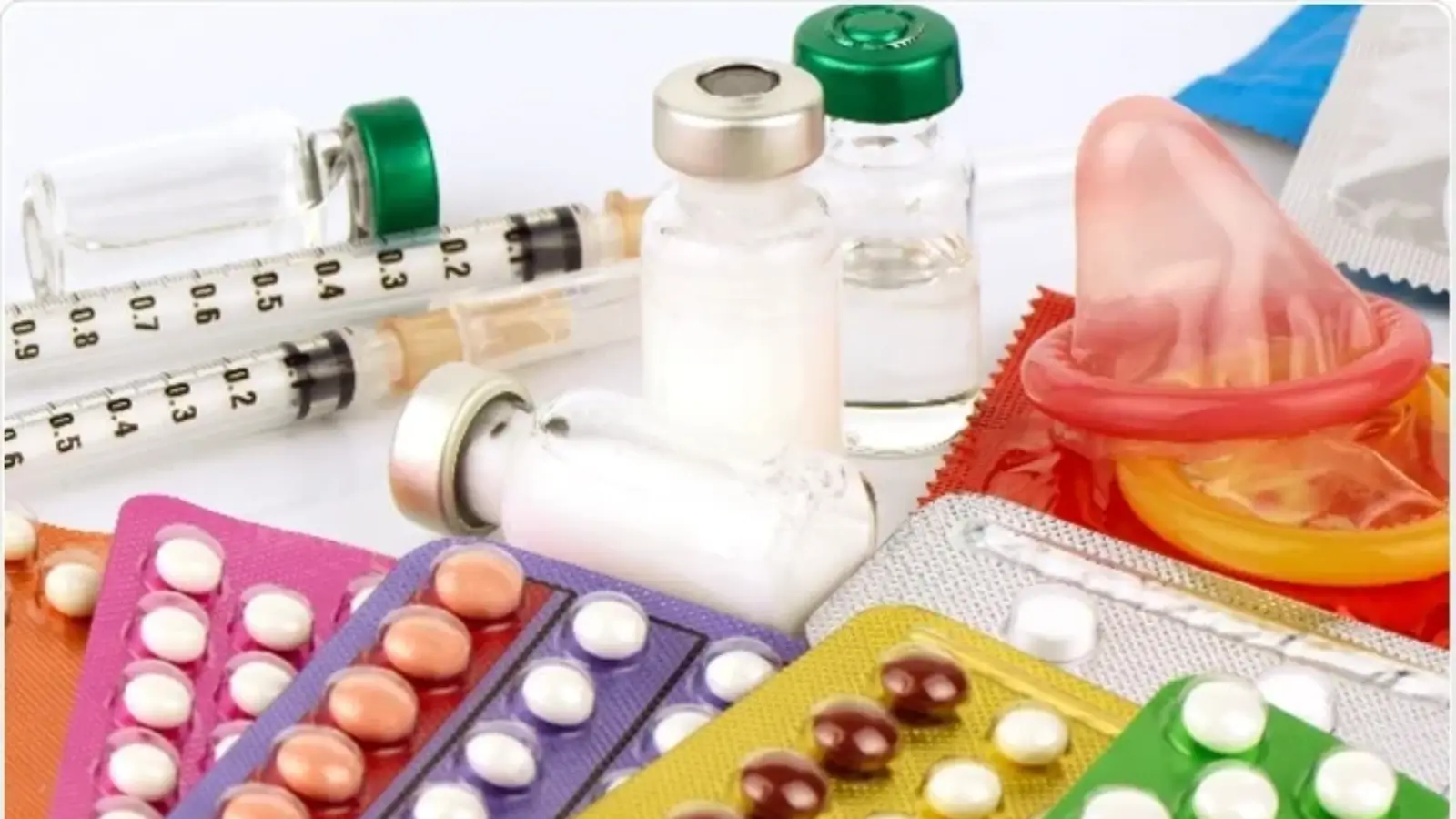
Different hormonal birth control methods suppress ovulation to varying degrees. For patients asking how effective is Nexplanon compared with other contraceptives, both its ability to suppress ovulation and its overall pregnancy-prevention performance are important considerations.
| Contraceptive Method | Ovulation Suppression | Key Consideration |
| Hormonal IUDs (e.g., Mirena, Kyleena) | Inconsistent | Primarily thickens cervical mucus and alters the uterine lining. Some users may still ovulate. |
| Oral Contraceptives (Birth Control Pills) | Consistent (if taken correctly) | Requires strict daily adherence; missed doses increase the risk of breakthrough ovulation. |
| Injectable Contraceptives (e.g., Depo-Provera) | Reliable | Effectively suppresses ovulation but may cause a delayed return to fertility after discontinuation. |
If ovulation suppression is a priority, Nexplanon and Depo-Provera offer the most reliable options. However, for those looking for a non-hormonal or ovulation-permitting method, an IUD may be a better choice.
Why Some Users Experience Ovulation-Like Symptoms
Some users report symptoms such as cramping, mid-cycle discomfort, or irregular bleeding while on Nexplanon. These symptoms can sometimes be mistaken for ovulation, but they don’t necessarily indicate that ovulation has resumed.
- Breakthrough Follicular Activity: While full ovulation is uncommon, some users may experience follicular activity without the actual release of an egg.
- Hormonal Fluctuations: Progestin levels can fluctuate slightly, leading to mild cramping or breast tenderness that mimics ovulation symptoms.
- Bleeding Irregularities: Spotting or irregular bleeding is common with progestin-based contraceptives and does not necessarily mean ovulation has resumed.
For those wondering when Nexplanon starts working, the implant begins suppressing ovulation soon after insertion, but backup contraception may be needed if it is inserted outside the first five days of the menstrual cycle.
Conclusion
For those asking do you ovulate on Nexplanon, ovulation is generally suppressed because the implant continuously releases etonogestrel and interferes with the hormonal signals required for egg release. However, factors such as extended use beyond three years, higher BMI, or medication interactions can affect its ability to suppress ovulation. While some users may experience ovulation-like symptoms, this does not necessarily mean ovulation is occurring.
For those considering Nexplanon, consulting a healthcare provider can help assess individual factors and ensure optimal contraceptive protection and peace of mind.
FAQs
1. Can you ovulate while on Nexplanon?
Ovulation is rare while using Nexplanon because the implant suppresses the LH surge necessary for egg release. However, sporadic ovulation may occur in certain cases, such as prolonged use beyond three years or interactions with specific medications.
2. Does Nexplanon stop ovulation immediately?
Nexplanon starts preventing ovulation soon after insertion. If inserted within the first five days of the menstrual cycle, it works immediately. If inserted later, backup contraception is needed for seven days.
3. What happens if you ovulate on Nexplanon?
If ovulation occurs while using Nexplanon, the implant still provides protection by thickening cervical mucus and altering the uterine lining, making fertilization and implantation difficult. However, the risk of pregnancy slightly increases.
4. Does irregular bleeding mean you’re ovulating on Nexplanon?
No, irregular bleeding is a common side effect of progestin-based contraceptives and does not indicate ovulation. Many users experience spotting or changes in bleeding patterns while on Nexplanon.
Citations
[1] American College of Obstetricians and Gynecologists. “Practice Bulletin No. 186: Long-Acting Reversible Contraception: Implants and Intrauterine Devices.” Obstetrics & Gynecology, vol. 130, no. 5, 2017, pp. e251–e269. https://doi.org/10.1097/AOG.0000000000002400.
[2] Jacobs, Mollie. “Treatment Duration for Etonogestrel Implant.” American Family Physician, vol. 98, no. 3, 2018. https://www.aafp.org/pubs/afp/issues/2018/0801/od3.html.
[3] “FSRH Guideline (February 2021) Progestogen-Only Implant.” BMJ Sexual & Reproductive Health, vol. 47, suppl. 1, 2021, pp. 1–62. https://doi.org/10.1136/bmjsrh-2021-CHC.
[4] DeMaria, Andrea L., et al. “The Myth of Menstruation: How Menstrual Regulation and Suppression Impact Contraceptive Choice.” BMC Women’s Health, vol. 19, 2019, article 125. https://doi.org/10.1186/s12905-019-0827-x.
The content on this page has been written and fact-checked in accordance with our Editorial Policy. Clinical claims are sourced from peer-reviewed literature, regulatory documentation, and manufacturer specifications. Where citations are provided, it is always in accordance to our editorial standards.