Your Cart is Empty
Start shopping
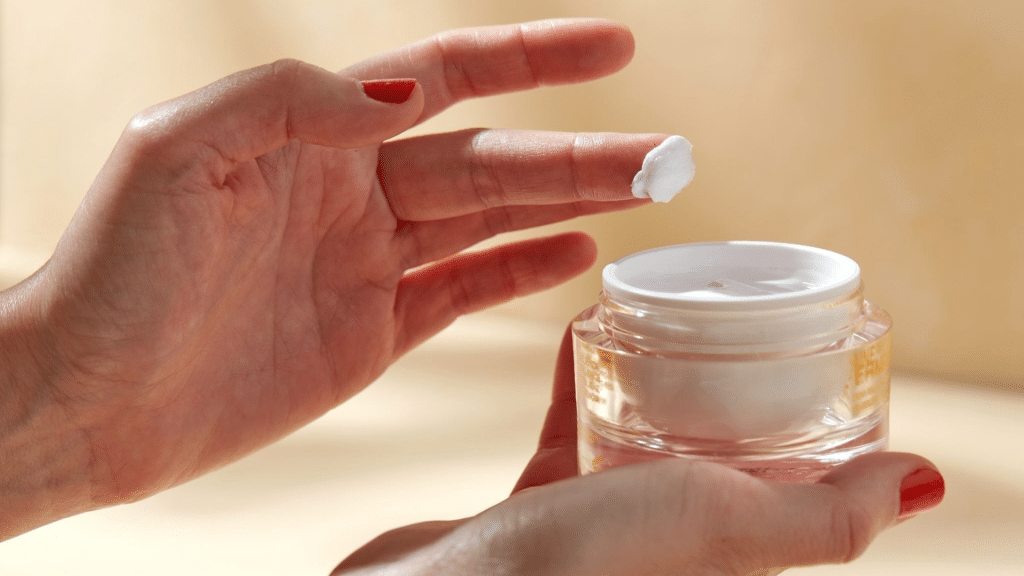
Korean Botox cream describes a group of Korean anti-aging skincare formulas marketed for hydration, firmness, and smoother-looking wrinkles. The term is cosmetic shorthand, not an indication that these topical products function like injectable botulinum toxin.
Doctor Medica’s Korean Botox content focuses on the licensed injectable neuromodulator used by practitioners who order Korean botox online. Korean Botox cream belongs to a separate topical skincare category, and the comparisons in this article are made on that basis.
This article explores what Korean Botox cream is, how its ingredients contribute to its cosmetic effects, and how cream formulations compare with injectable Botox, balms, and serums.
Key Takeaways
- Despite the name, Korean Botox creams function as topical skincare rather than injectable neuromodulators.
- Creams typically rely on moisturizing and skin-conditioning ingredients such as hyaluronic acid, collagen, and peptides.
- Their benefits are better understood in terms of hydration, texture, and smoother-looking skin rather than changes in muscle activity.
About: Doctor Medica is your trusted supplier of top-quality dermal fillers, viscosupplements, and more for your medical practice. We offer genuine products from leading brands at the lowest prices in the market. If you’re looking to buy Korean botox for your practice, contact Doctor Medica today.
What Does “Korean Botox Cream” Mean?
The term Korean Botox cream generally refers to Korean skincare products marketed around firmness, wrinkles, elasticity, or a temporarily smoother appearance. There is no single standardized formula or medically recognized product category called “Botox cream.”
Instead, the name reflects how certain creams are positioned. Some use terms such as lifting, sculpting, volume, collagen, or wrinkle care to describe their cosmetic effects. These formulas remain topical moisturizers and skin treatments rather than neuromodulators.
Products within this broader trend range from rich anti-aging volume capsule cream formulas to firming moisturizers containing peptides and multiple forms of hyaluronic acid. Their immediate cosmetic effects generally center on hydration and surface smoothness, while longer-term results depend on the specific active ingredients and finished formulation.
Why Do Creams and Injectable Botulinum Toxin Work Differently?
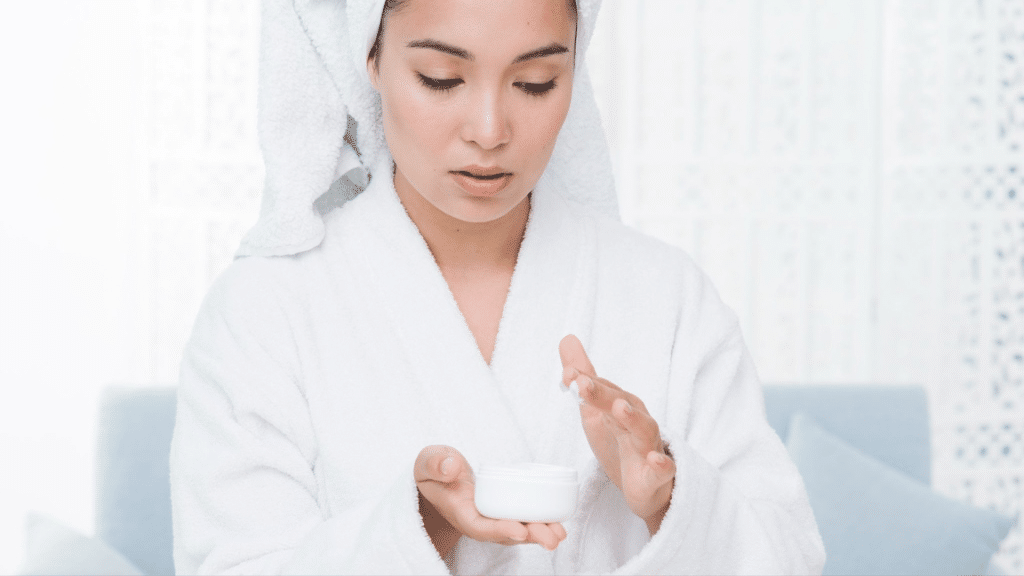
Korean Botox cream and injectable botulinum toxin may be linked by name, but their mechanisms and expected effects are fundamentally different.
Korean Botox cream is a topical skincare product. Its effects generally come from ingredients that hydrate, soften, and condition the skin, which can make fine lines appear less noticeable and give the face a smoother, more supple appearance.
Injectable botulinum toxin acts through a different mechanism. Botulinum toxin type A acts at the neuromuscular junction, where it reduces acetylcholine release and temporarily limits activity in selected muscles.[4] This is why injectable neuromodulators are used for dynamic lines that become more visible with facial expression.
A cream may improve surface hydration, plumpness, and the appearance of firmness, but it does not alter muscle contraction or create structural volume beneath the skin.
| Korean Botox Cream | Injectable Botulinum Toxin |
| Topical skincare product | Prescription injectable |
| Supports hydration and surface smoothness | Temporarily reduces targeted muscle activity |
| Often contains peptides, hyaluronic acid, collagen, or botanical ingredients | Contains botulinum toxin type A |
| Used as part of a regular skincare routine | Administered periodically by qualified practitioners |
| Produces subtle cosmetic improvements | Can create more noticeable changes in dynamic lines |
What Shapes the Cosmetic Effect of Korean Botox Cream?
The effects of a Korean Botox face cream depend largely on its finished formulation. Common formulas combine humectants, emollients, peptides, collagen-related ingredients, and other components intended to improve moisture, texture, or the appearance of aging skin.
Hyaluronic Acid
Hyaluronic acid is widely used for its ability to attract and retain water. In topical skincare, improved hydration can make the surface feel softer and temporarily make dehydration lines appear less pronounced.[1]
Different molecular forms of hyaluronic acid may also be combined within the same formula. Some Korean firming creams, for example, contain sodium hyaluronate, hydrolyzed hyaluronic acid, hyaluronic acid, and related derivatives.
Collagen and Peptides
Collagen is another common ingredient in products marketed around firmness. Topical collagen should not be treated as a replacement for the collagen structure within the dermis, but collagen-containing formulas may contribute to moisturization and skin conditioning.
Peptides are more varied. Cosmetic formulas may contain signal peptides, carrier peptides, or other peptide sequences intended to support the appearance of aging skin. Clinical research suggests that peptide-containing skincare can improve some measures of skin texture, hydration, and visible wrinkles, although results depend heavily on the specific formulation.[2]
This ingredient-led approach explains why peptide hydration and collagen-focused formulas are frequently associated with Korean anti-aging skincare, even though their expected effects remain distinct from Botox-like pharmacological activity.
Copper Peptides
Products may also contain copper-containing peptides such as copper tripeptide-1. A facial serum containing copper peptides and a peptide-containing cream use different delivery formats, although both may be positioned around skin conditioning and mature-looking skin.
Evidence for topical peptides is promising but uneven, so the presence of one peptide should not be interpreted as proof that the finished formula will produce a specific clinical result. Reviews of topical peptides have noted substantial differences in formulation and evidence quality.[3]
What Changes Can Users Realistically Expect?
A well-formulated moisturizer can increase moisture, soften rough texture, and give the skin more glow. Better hydration may also make the surface appear temporarily plumper and smoother-looking.
Research on topical hyaluronic acid supports its use for hydration and visible skin quality.[1] In one small study evaluating a hyaluronic acid serum together with a peptide-rich cream, participants showed improvements in skin texture, lines, wrinkles, and tone over 12 weeks.[2] Because the study evaluated a specific regimen, however, the findings should not automatically be applied to every Korean cream.
Depending on the formulation, users may notice:
- Softer and more hydrating skin
- Improved surface smoothness
- A brighter or more youthful appearance
- Temporary plumping of dehydration lines
- A more moisturized glow
- Improvements in the appearance of uneven texture or pore visibility
Terms such as “lifting,” “regeneration,” or improved tension should still be interpreted as cosmetic claims unless the finished product has clinical evidence demonstrating a measurable effect.
How Do Creams Compare With Other Topical Formats?
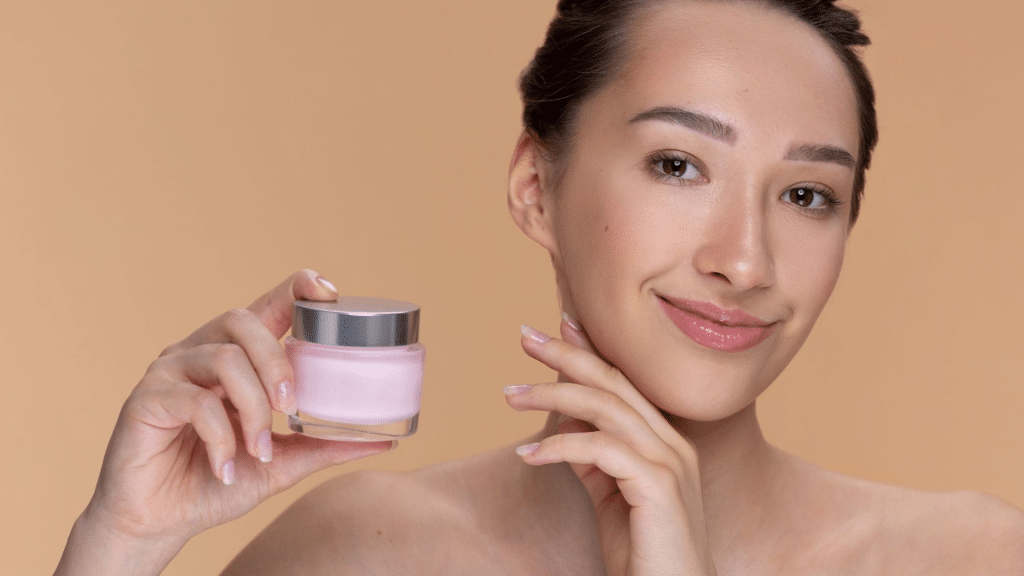
Creams, balms, and serums are all topical skincare formats, but they differ in texture, formulation, and how they fit into a routine.
Creams vs. Balms and Serums
A cream tends to be richer than a serum and can serve as a moisturizing step, particularly when the formula combines humectants, emollients, hyaluronic acid, collagen, or peptides. Products described as rapid firm sculpting creams generally fall into this richer topical category.
Korean Botox serums tend to be lighter and may layer better. A facial serum for smooth-looking skin can provide lightweight hydration and active ingredients without the heavier texture of a cream.
Balms are generally more occlusive and may be used on dry patches, visible fine dehydration lines, or other areas where a patient prefers a richer finish. The distinctions between these formats are therefore largely practical rather than evidence that one format produces Botox-like effects.
What About Viral Korean Botox Cream Products?
Products described as viral Korean Botox creams are often positioned around concepts such as lifting, sculpting, collagen support, hydration, or wrinkle care. Marketing terms may also emphasize firmness, volume, or a smoother-looking complexion. Regardless of how a product is promoted, its likely effects should still be evaluated according to its ingredients, finished formulation, and available supporting evidence rather than the use of the word “Botox.”
Where Does Korean Botox Cream Fit in a Skin Care Routine?
A cream format is generally positioned as a richer moisturizing step within a skincare routine. Its suitability depends on the formula, skin type, ingredient tolerance, and the user’s preferred texture and finish.
Face and Neck Application
Most Korean anti-aging creams are intended primarily for the face, although some formulations may also be applied to the neck according to their individual directions.
The neck can be relevant because dryness, texture changes, and visible lines may become noticeable in this area. A 12-week study evaluating a peptide-rich cream together with a hyaluronic acid serum reported improvements in neck texture, tone, and visible lines.[2]
When Is Korean Botox Cream Best Used?
Korean Botox cream may suit users looking for a richer skincare step that supports hydration, softness, and a smoother-looking complexion. Cream formulations may be especially relevant for dry or mature-looking skin or for routines that include peptides, hyaluronic acid, and other anti-aging ingredients.
These products may provide cosmetic benefits when expectations match what topical skincare can realistically achieve. The best Korean Botox cream for wrinkles is generally chosen based on skin type, formulation, ingredient preferences, and tolerance rather than marketing claims alone.
When evaluating Korean Botox cream reviews, focus on hydration, softness, texture, and finish rather than claims that a topical formula can reproduce injectable neuromodulation.
For those comparing topical options, Korean botox serum offers a lighter alternative, while creams provide a richer moisturizing step. Either way, these products remain skincare formulas and should not be expected to reproduce the muscle-relaxing effects of injectable botulinum toxin.
For licensed medical professionals only. This content is for informational purposes only and does not constitute medical advice.
Citations
[1] Bravo, Bruna et al. “Benefits of topical hyaluronic acid for skin quality and signs of skin aging: From literature review to clinical evidence.” Dermatologic therapy vol. 35,12 (2022): e15903. doi:10.1111/dth.15903
[2] Gold, Michael H et al. “Efficacy and tolerability of a hyaluronic acid-based serum and a peptide-rich cream for the face and neck in subjects with photodamaged skin.” Journal of cosmetic dermatology vol. 21,8 (2022): 3458-3463. doi:10.1111/jocd.14981
[3] Gorouhi, F, and H I Maibach. “Role of topical peptides in preventing or treating aged skin.” International journal of cosmetic science vol. 31,5 (2009): 327-45. doi:10.1111/j.1468-2494.2009.00490.x
[4] Allergan, Inc. “BOTOX® Cosmetic (OnabotulinumtoxinA) for Injection, for Intramuscular Use: Full Prescribing Information.” DailyMed, revised Oct. 2024, dailymed.nlm.nih.gov/dailymed/drugInfo.cfm?setid=485d9b71-6881-42c5-a620-a4360c7192ab.
The content on this page has been written and fact-checked in accordance with our Editorial Policy. Clinical claims are sourced from peer-reviewed literature, regulatory documentation, and manufacturer specifications. Where citations are provided, it is always in accordance to our editorial standards.